The Benny Hill Show (1969): Why Thames Cancelled the Show
A look at why The Benny Hill Show was cancelled in 1989 after decades of slapstick comedy across more than 140 countries.
November 8, 2026
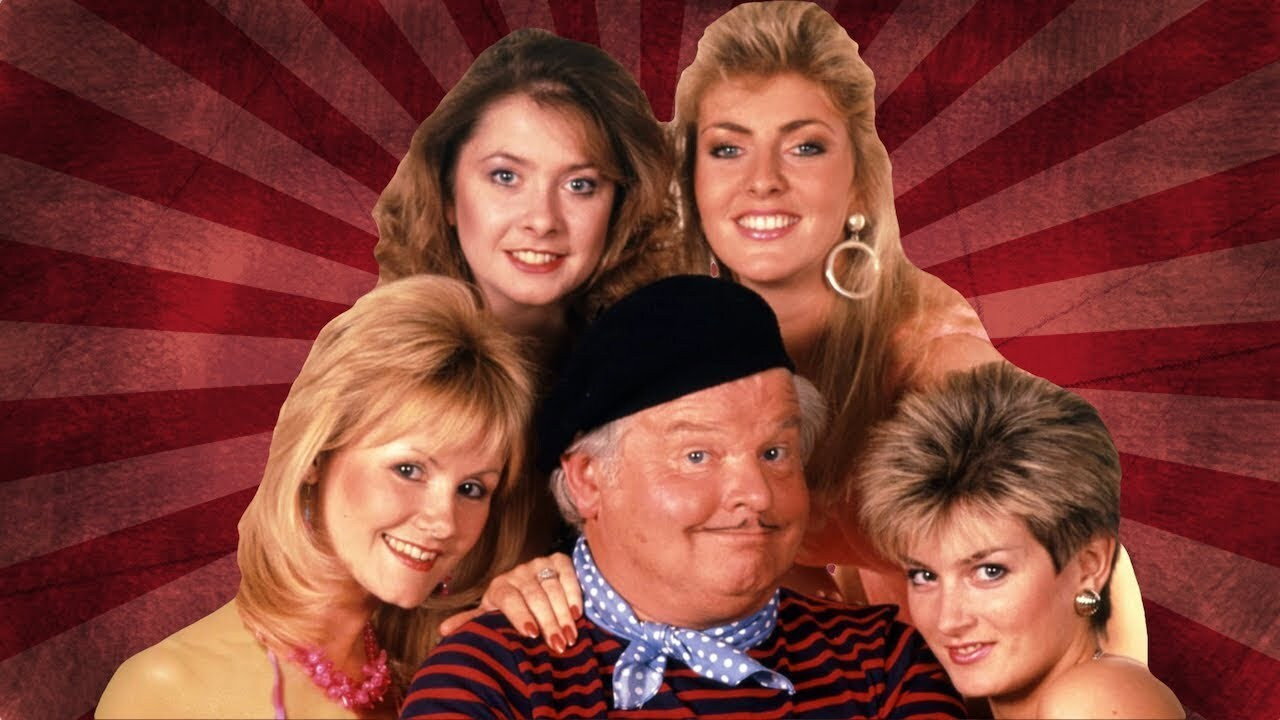
The Ending, Explained
The Benny Hill Show stands as a British comedy television show that starred Benny Hill and reached audiences across more than 140 countries. Its run spanned various incarnations from 15 January 1955 to 30 May 1991, a remarkable longevity for any broadcast format. When we look at the closure, our analysis—The Benny Hill Show ending explained—reveals that the conclusion was not a single scripted finale but a corporate decision. Thames Television cancelled production of the program in 1989. The stated reasons were declining ratings paired with large production costs reported at £450,000 per show. That financial weight became impossible to justify as viewer numbers slipped. The extended airing until 1991 likely reflects repeats and international syndication rather than new British tapings. For a series built on sketch comedy, such an administrative ending feels distinct from a narrative wrap, yet it remains the moment fans mark as the close.
Throughout its later phase, the series kept its focus on sketches full of slapstick, mime, parody, and double-entendre. The familiar troupe included Henry McGee, Bob Todd, Nicholas Parsons, Jackie Wright, Helen Horton, Bella Emberg, and Patricia Hayes alongside Hill. We will not dwell on the early acts of the program, since the breakdown here centers on the final chapter and its resonance. Instead, we consider how a show with a 7.22 out of 10 rating from 184 votes still commanded global presence even as the production machine wound down. The naughty framing of many bits never disappeared, but the economics did.
What Happens
To clarify the sequence, the final curtain—what happens at the end of The Benny Hill Show—is that the creative pipeline stopped. After decades of episodic sketch comedy, Thames Television made the call in 1989 to halt new installments. The existing episodes continued to circulate globally, helping explain why the title is listed as airing until 1991 in over 140 countries. The halt meant no further elaborate costume pieces or staged chases were funded at the stated £450,000 per show rate. The cast dispersed, though reruns kept the humor alive for years. There was no dramatic last sketch engineered to tie threads; the stop was pragmatic, a business choice reflecting numbers on a ledger.
For viewers who appreciate parallel formats, At Last the 1948 Show presents another British sketch comedy ancestor that played with similar absurdity. The comparison helps illustrate how production realities could cut short even beloved comedies. Both programs relied on quick transitions and a regular ensemble, proving that the format's life depends as much on budgets as on laughs.
The Meaning Behind the Ending
The cultural shift—The Benny Hill Show ending meaning—reflects both economic pressures and changing tastes. A program requiring £450,000 per episode in the late 1980s faced scrutiny when ratings dipped. The decision—The Benny Hill Show cancelled—underscores how television economies prioritize audience retention over tradition. Furthermore, the naughty tone built on double entendre and slapstick met a new era of comedy that favored different sensibilities. This genre—The Benny Hill Show explained—relies on timeless physical gaggery yet remains tied to its decade. The cancellation therefore signals a pivot in what broadcasters would pay for, not a verdict on Hill's talent.
Modern satire often traces roots to such shows. If you want a contemporary spin on topical sketch work, This Hour Has 22 Minutes delivers political parody that echoes the earlier spirit of mockery while adapting to fresh audiences. Observing the two side by side shows how the ending of one style paved room for another, keeping the comic impulse alive under new financial models.
Themes You Might Have Missed
Beyond the obvious laughter, the program wove consistent threads. Slapstick comedy and mime created visual rhythms that transcended language barriers, aiding distribution in over 140 countries. Parody allowed the writers to comment on pop culture without heavy sermons. Sketch comedy structure gave freedom to shift from gentle absurdity to naughty double entendre within minutes. The recurring presence of Benny Hill alongside performers like Henry McGee and Bob Todd cemented a troupe identity. The show's lightness never pretended to be high drama, yet its efficiency as comedy art deserves note. The naughty label attached to the series never implied malice; it signaled a wink to adult viewers while keeping broad appeal. A short list of its core motifs includes:
- Slapstick comedy as the backbone of physical humor
- Parody aimed at familiar institutions and genres
- Sketch comedy with rapid scene changes
- Double entendre that leaned naughty but playful
- Mime sequences that needed no translation
Those who enjoy fragmented modern vignettes can explore Portlandia, which mirrors the sketch approach with eccentric characters. Both titles prove that short-form comedy can achieve global footprint without cinematic scope, and both remind us that endings are part of a larger broadcast ecology.
Final Verdict on The Benny Hill Show
The aggregated rating of 7.22 out of 10 from 184 votes suggests a solid though not unanimous legacy. Given the massive outreach to more than 140 countries and a broadcast history touching 1955 through 1991, the show earned its place in comedy history. The cancellation in 1989 by Thames Television remains a business footnote rather than a creative failure. The mixture of slapstick, mime, parody, and double-entendre still reads as naughty fun for audiences discovering it through streaming archives. The absence of a single director credited highlights its collaborative sketch nature. For a free streaming blog audience, the series offers an easy entry into classic British humor. Its final act teaches that even beloved television must answer to production costs, yet the laughter outlives the ledger.
The Benny Hill Show Need to Know
Key facts to retain: starring Benny Hill, with support from Henry McGee, Bob Todd, Nicholas Parsons, Jackie Wright, Helen Horton, Bella Emberg, and Patricia Hayes. Genre is comedy, with themes of slapstick comedy, parody, sketch comedy, double entendre, and naughty humor. Thames Television cancelled production in 1989 due to declining ratings and large production costs at £450,000 per show. The program aired in various incarnations between 15 January 1955 and 30 May 1991 across over 140 countries. Rating sits at 7.22/10 based on 184 votes. No tagline or single director is recorded. The ending we examined shows that the halt was administrative, not artistic. The Benny Hill Show explained through this lens becomes a case study in how television economics shape comic longevity. New viewers should start from any era, but understanding the closure adds appreciation for how rare such endurance truly was.