The Andy Griffith Show (1960): Mayberry Sheriff and His Deputy
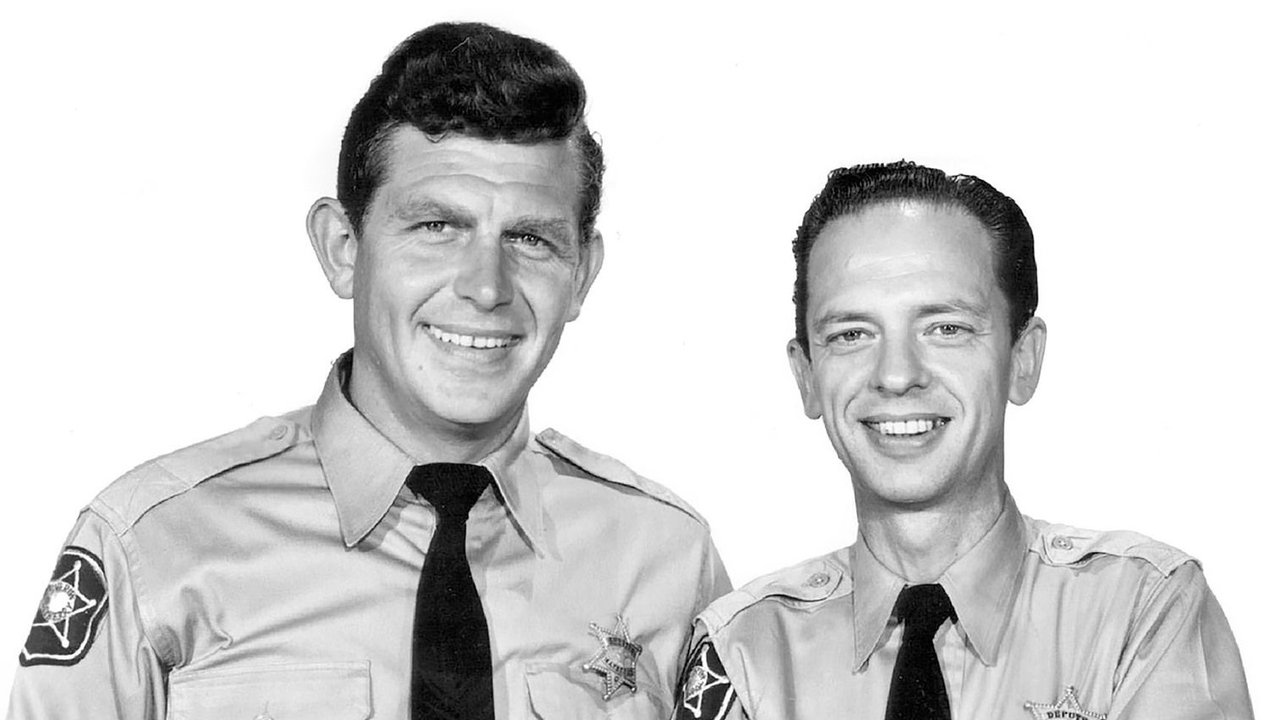
A gentle wrap-up of The Andy Griffith Show (1960) shows widowed sheriff Andy staying steady amid Barney, Aunt Bee, and Opie's antics.
November 9, 2026
The Ending, Explained
Mayberry’s story wraps up with the same gentle rhythm that defined the sitcom from the start. The widower sheriff continues to balance his work at the courthouse with life at home. His inept but well-meaning deputy, Barney Fife, remains a constant source of small complications. The sheriff stays true to his role, The Andy Griffith Show ending explained, and that offers a satisfying sense of continuity for viewers who grew fond of the family. Across the final episodes, we see Andy Taylor managing the jail with a patient hand, never forgetting that the people of this North Carolina community are neighbors first and offenders second.
What makes the closure work is its refusal to abandon the established tone. The precocious young son Opie learns quietly from his father’s example, while Aunt Bee, the spinster aunt and housekeeper, keeps the household running with stubborn care. Local ne’er-do-wells and bumbling pals step back so the core family can shine. The temperamental girlfriends that once complicated the sheriff’s evenings are no longer central, allowing the show to end on a note of settled routine.
If you enjoy this brand of humor, you might also like Schitt's Creek, which also leans on a tight-knit community feel and a cast that grows on you slowly.
What Happens
In the final stretch, the precocious young son Opie and his aunt Bee share quiet moments that highlight the aunt nephew relationship. The small town of North Carolina settles into calm as the usual minor disruptions lose their edge. The deputy’s mistakes, The Andy Griffith Show explained, teach patience more than chaos. Nothing explosive occurs; the narrative simply lets the characters live as they always have, with the sheriff performing his duties at the courthouse and the jail without grand upheaval.
We watch the widower navigate his role as both parent and lawman. His wisdom is not delivered through lectures but through small actions: a word to Barney, a glance at Opie, a smile from Aunt Bee. The show’s format as a family sitcom means the last act is built from overlapping conversations rather than plot twists. Even the tagline “Nip it in the bud!” finds its echo in how problems are addressed early and gently.
Fans of ensemble casts should check out The Golden Girls, a show built on shared living space and warm banter that similarly treasures everyday moments.
The Meaning Behind the Ending
The conclusion is less about a twist and more about affirmation. The widower’s peace, The Andy Griffith Show ending meaning, suggests that wisdom comes from everyday patience. As the small town sheriff handles his last duties at the jail and courthouse, he models a justice of the peace that is gentle rather than strict. The family gathers, The Andy Griffith Show end happen, without drama, showing that stability is its own reward.
This final act reinforces the Americana at the show’s heart. Mayberry is fictional, yet it feels like a real place because the ending refuses to break its own rules. The sheriff remains a widower who misses his wife but cherishes his son. The aunt nephew relationship between Opie and Bee becomes a picture of chosen family. Barney Fife, inept but well-meaning, gets to stay exactly who he is. The rating of 7.625 out of 10 from 180 votes shows that audiences appreciate this soft landing.
For a different take on family dynamics, The King of Queens presents a similar domestic comedy with a lovable blue-collar tone that also values routine over chaos.
Themes You Might Have Missed
Beyond the obvious comedy, the series quietly celebrates Americana. The town stays calm, The Andy Griffith Show finale, after all conflicts, reinforcing the value of a slow-paced life. Viewers may overlook how the tagline “Nip it in the bud!” applies to the sheriff’s approach to minor trouble. He prevents escalation not through force but through warmth, acting as a small town sheriff who knows every name in the county.
Another subtle thread is the role of the courthouse and jail as community spaces rather than cold institutions. The justice of the peace ideal surfaces when Andy settles disputes with common sense. The presence of a spinster aunt and housekeeper adds a generational link, while the precocious son represents the future. Together they form a portrait of family that extends beyond blood.
The sitcom never pretends to be edgy. Its strength is the opposite: a steady confirmation that small town life, with all its minor irritations, is worth protecting.
Our Take on The Andy Griffith Show
With a rating of 7.625 out of 10 across 180 votes, the series holds a respected place among vintage family comedies. We appreciate how it never relied on shock to entertain. The cast—Andy Griffith, Ron Howard, Frances Bavier—brought authenticity to the fictional Mayberry. Its ending, properly considered, is a love letter to small-town living and to the idea that wisdom can be found in mundane moments.
The show’s legacy sits comfortably beside other comfort-viewing classics. It offers a template for how a sitcom can close without abandoning its identity. The widower sheriff, the inept deputy, the housekeeping aunt, and the young boy remain exactly as we met them, yet somehow deeper. That is the quiet achievement of the final act.
The Andy Griffith Show Cheat Sheet
Genre: Comedy, Family. Setting: Mayberry, North Carolina. Key figures: Sheriff Andy Taylor (widower), Deputy Barney Fife, Aunt Bee, Opie. Core ideas: wisdom, justice of the peace, aunt nephew relationship, small town sheriff, americana. Tagline: Nip it in the bud! Main cast includes Andy Griffith, Ron Howard, Frances Bavier. If you want a breakdown, remember that the closure emphasizes steady community bonds over spectacle and that the final episodes reward patience.