The Anacondas (2025): A Hungry God Awakens
Explorers in Mexico wake a starved, ever-growing anaconda and must survive what they unleashed.
November 10, 2026
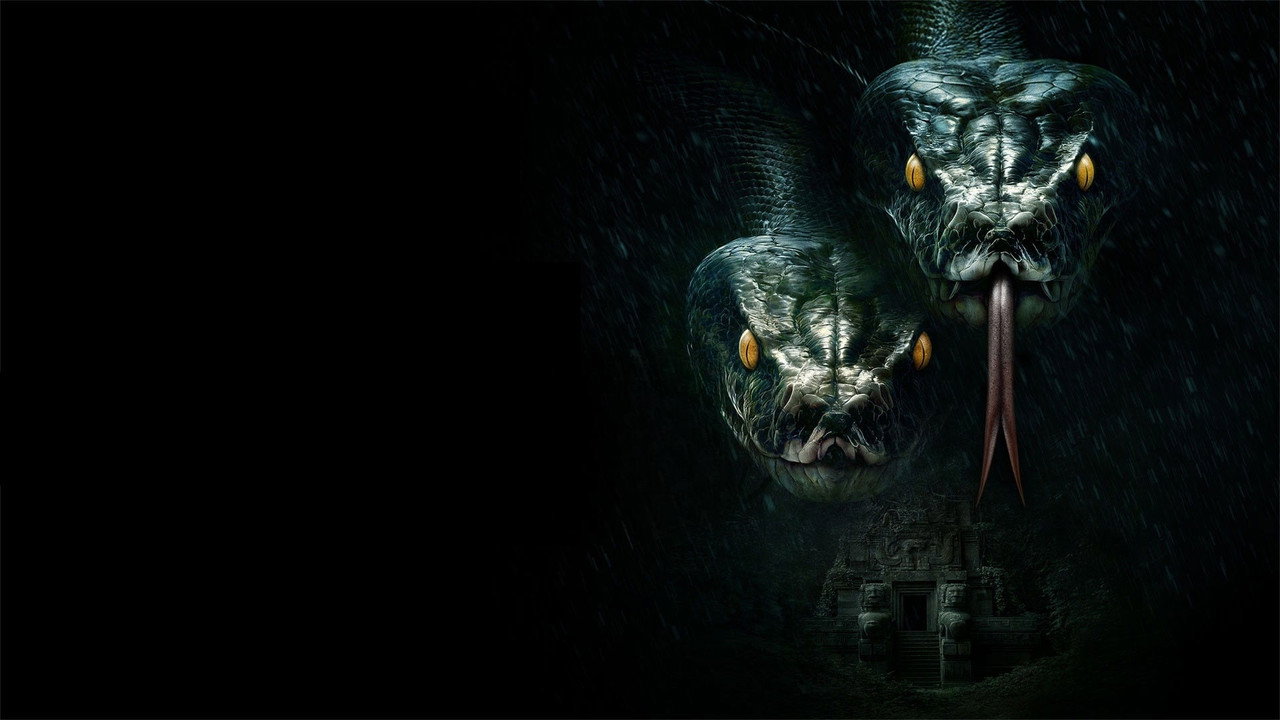
The Ending, Explained
If you finish Marcel Walz's sweaty, serpentine creature feature and find yourself replaying the last twenty minutes in your head, you are not alone. The final stretch is staged less like a clean monster showdown and more like a grim little parable about trespass, hunger, and the cost of curiosity. Below is a walk through how the story lands, what the closing images are doing, and why the film's parting mood lingers longer than its jump scares.
What Happens
The setup is lean and familiar in the best way: a group of explorers working in Mexico stumble onto the buried remains of a civilization that built its entire spiritual life around snake worship. The discovery feels like a triumph, and the team celebrates accordingly. That celebration is the hinge on which everything turns, because the ruins are not empty. Something has been waiting down there, growing and starving, deprived of the human sacrifices that once kept it fed. The awakened anaconda is not a random animal; it is a religious obligation come back to collect.
From there the film becomes a survival scramble. The team has to stop acting like separate specialists with separate agendas and start behaving like a single organism if any of them wants to see daylight again. Director Marcel Walz keeps the runtime tight at ninety minutes, so the escalation is brisk — the creature is always a little bigger, a little closer, and a little more deliberate than the last time you saw it. If you want a benchmark for the subgenre's appetite for oversized reptiles, Basilisk: The Serpent King makes an interesting companion piece.
The Meaning Behind the Ending
When people go looking for The Anacondas ending explained, they usually want a body count and a confirmation. The honest answer is that the movie is less interested in a gotcha than in a moral. The explorers treat a sacred site as a treasure chest, and the snake functions as the receipt. The closing act pushes the survivors toward a choice between individual escape and collective responsibility, and the film's final note suggests that the debt owed to the old civilization does not simply vanish because the modern characters mean well.
The Anacondas ending meaning also reads through the tagline's grim joke, "You're hisstory!" — a pun that frames the humans as entries in a record rather than protagonists in control. The creature is an archive with teeth. Whether the last shot reads as a warning or an inevitability depends on how much weight you give the ritual imagery, but either way the film closes on the idea that some hungers are older than the people who disturb them. That is a more interesting conclusion than a simple kill-or-be-killed finish.
Themes You Might Have Missed
The snake is the obvious symbol, and the film leans into it — shedding, coiling, swallowing whole. But the more quietly effective theme is appetite itself. The anaconda has been starved of sacrifice for centuries, and the explorers are starved too: for recognition, for the find of a lifetime, for the story they will get to tell. The movie quietly rhymes those hungers and then lets them collide.
- Sacred ground versus private gain. The ruins were not built to be excavated, and the film keeps reminding you who the intruders are.
- Communion under pressure. The team only functions once status and ego stop mattering, which is the closest the movie comes to a hopeful idea.
- Scale as dread. An ever-growing snake means the threat is never fixed, so safety is always provisional.
- The persistence of old beliefs. Ritual outlives the civilization that practiced it, and the film treats that as fact rather than folklore.
If the survival-group dynamic is what hooked you, The Hunger Games: Mockingjay - Part 2 scratches a similar itch about people learning to move as one under lethal pressure, while Meg 2: The Trench delivers the more popcorn-minded version of deep-water creature chaos.
The Anacondas: Our Final Verdict
At ninety minutes and a modest 3.6/10 from a small early pool of voters, this is not a film aiming for prestige. It is a brisk B-movie with a committed cast — Hannah Hueston, Jordan Iverach, Philipp Karner, Dominic Keating, Maureen Kedes, Bix Krieger, Giselle Garci, and Marcus Mannis — and a premise that knows exactly what it is. The effects and pacing will divide people, and the rating suggests plenty of viewers wanted something slicker. But as a late-night creature feature built around one very large snake, it delivers the ritual, the ruin, and the reckoning.
The Anacondas Explained
So what happens at the end of The Anacondas, in plain terms? The expedition's trespass is answered by the thing that trespass kept alive, and the survivors are left carrying the knowledge that the ruins were never a discovery — they were a debt. The final act is less a twist than a verdict, and the film's meaning sits in that distinction. And if your main question is does the snake die in The Anacondas, the more useful way to ask it is whether anything that has been worshipped for centuries can really be finished off by a group of people who only just learned they were the sacrifice. The movie's answer is deliberately uneasy, and that unease is the point.