The 100 (2014): Teen Offenders Sent to Test Radioactive Earth
The 100 (2014) follows 100 juvenile delinquents sent from a dying space ark to see if radioactive Earth is habitable.
October 25, 2026
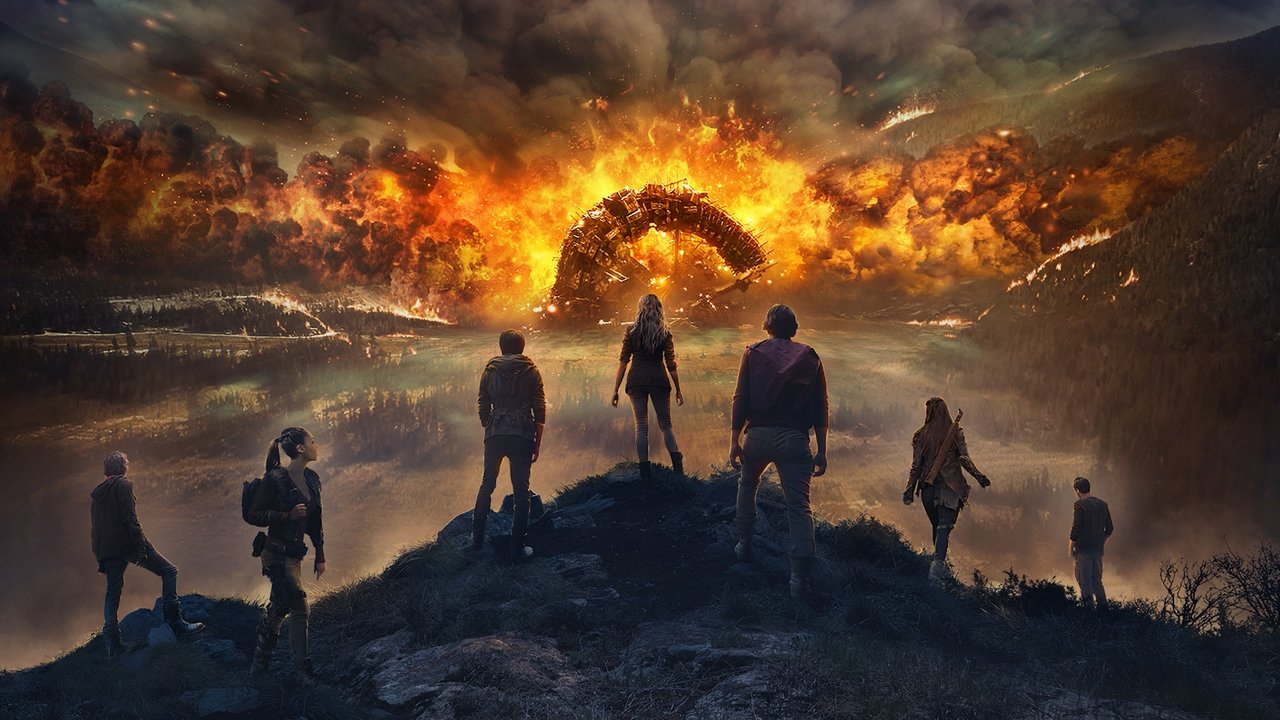
The Ending, Explained
The series, The 100 explained, premiered in 2014 and quickly built a dedicated audience. With a user score of 7.879 out of 10 across 8840 votes, its grip on viewers is clear. The premise places humanity a hundred years after a nuclear catastrophe, living aboard a space colony because Earth was abandoned due to radioactivity. A harsh government sends one hundred young offenders down to the surface to check if life is possible. The genre mix spans sci-fi and fantasy, action and adventure, drama, and crime, giving the show a wide appeal. It is based on a young adult novel, which grounds the character arcs in literary tradition. The finale, The 100 ending explained, draws directly from the tagline about survival and becoming. We will not detail the first act's landing or early camps, but the closing arc shifts focus to inner change. Characters like Lindsey Morgan's Raven and Richard Harmon's Murphy illustrate that relationships are tested yet rebuilt. The show's strength lies in asking who we are when options run out.
What Happens
The middle and later episodes broaden the scope from a single mission to a struggle for the soul of the survivors. The closing sequence, what happens at end The 100, revolves around the cost of leadership and the price of peace. Without spoiling the initial drop to the ground, we can say the final act forces the group to reconsider the repressive regime they left behind. Marie Avgeropoulos's Octavia and Bob Morley's Bellamy demonstrate that family bonds persist despite differences. The narrative explores space travel not just as physics but as a metaphor for distance between people. As the ark's limited time pushes everyone, the young delinquents mature into reluctant rulers. Tasya Teles and JR Bourne add layers of political tension. The ensemble includes Shannon Kook, whose role deepens the moral gray areas. The story avoids simple heroes, showing that survival demands uncomfortable trade-offs. Viewers have noted that the tension feels like real-life negotiations for peace. This breakdown cares more about meaning than recounting each beat, so we stay clear of early plot points.
The Meaning Behind the Ending
The conclusion, The 100 ending meaning, is tied to the show's central tagline. Survival isn't who you are; it's who you become. That line encapsulates the post-apocalyptic future painted by the writers. The nuclear catastrophe left a blank slate, yet the characters carry their pasts into every decision. By the final moments, the measure of a person is not their original crime but their capacity for self-discovery. Self-discovery is not a side quest but the core engine of the plot. The space colony above and the ruined planet below mirror an internal divide. Shannon Kook's character and others remind us that even in a harsh world, empathy can surface. The ending does not offer a tidy reset; instead it suggests that habitability depends on the people, not just the soil. This thematic depth is why the series earns praise from those who enjoy thoughtful sci-fi and fantasy blended with crime and drama. The apocalypse backdrop simply raises the stakes for personal growth.
Themes You Might Have Missed
A retrospective, The 100 season one recap, might skip subtle threads woven through the larger tale. The show is based on a young adult novel, and that literary root shows in its focus on self-discovery amid chaos. Themes of space, survival, and apocalypse are obvious, but watch for quieter beats: a character learning forgiveness, or a leader questioning orders. The repressive regime's choice to expel the hundred is a comment on how societies discard the vulnerable. Based on novel or book adaptations, the series respects its source while expanding the cast beyond the page. Fans of terraforming dramas may also enjoy Earth 2, a 1994 series with a similar space colony hope. The gritty suspense noted by many viewers comes from never knowing which alliance will break. Relationships among the delinquents reflect real-life negotiations for peace, even when trust is thin. The following ideas recur throughout the episodes:
- Based on novel or book
- Self-discovery
- Space colony
- Space travel
- Post-apocalyptic future
- Survival
- Apocalypse
- Nuclear catastrophe
- Based on young adult novel
These keywords show the breadth of ideas woven into the story without spoiling the early acts.
What We Think of The 100
Our impression aligns with the strong rating and the passionate fan discussions. The writing continually challenges reasoning about leadership when no option is good. Gritty moments and suspense keep anticipation high, and you feel something could go wrong even during calm talks. The cast, including Eliza Taylor and Marie Avgeropoulos, brings spark to a dark premise. The performance of Bob Morley as Bellamy anchors the emotional core. Marie Avgeropoulos brings a spark-plug attitude that many fans celebrate. We think the series stands among the best of its genre mix: sci-fi, action, adventure, drama, and crime. If you like post-apocalyptic battles, Falling Skies is another show worth streaming on the same site. The 100 never lets its characters rest, and that restless energy is its signature. While we avoid early spoilers, we can say the final act rewards patience with emotional payoff.
The 100 Overview
To sum up, the program blends space travel, post-apocalyptic future, and young adult novel roots into a compelling package. The tagline "Survival isn't who you are. It's who you become" sums up the arc for the hundred expelled youths. With leads like Eliza Taylor, Bob Morley, Lindsey Morgan, Richard Harmon, and Tasya Teles, the ensemble feels real. The rating of 7.879 from 8840 votes signals broad approval. For those who want more collapsed-world stories, Revolution explores a society after the lights go out. From the orbital ark to the irradiated ground, the scale is ambitious. The combination of space and crime elements keeps the narrative unpredictable. The 100 remains a thoughtful, intense ride that asks what survival truly means. Its ending, explained through character growth rather than twist, leaves a lasting mark on the genre.