Tenzing (2026): One Man's Defiant Summit Dream
Tenzing (2026) is a historical drama about a determined man who defies impossible odds to become the first to summit Mount Everest.
October 17, 2026
The Ending, Explained
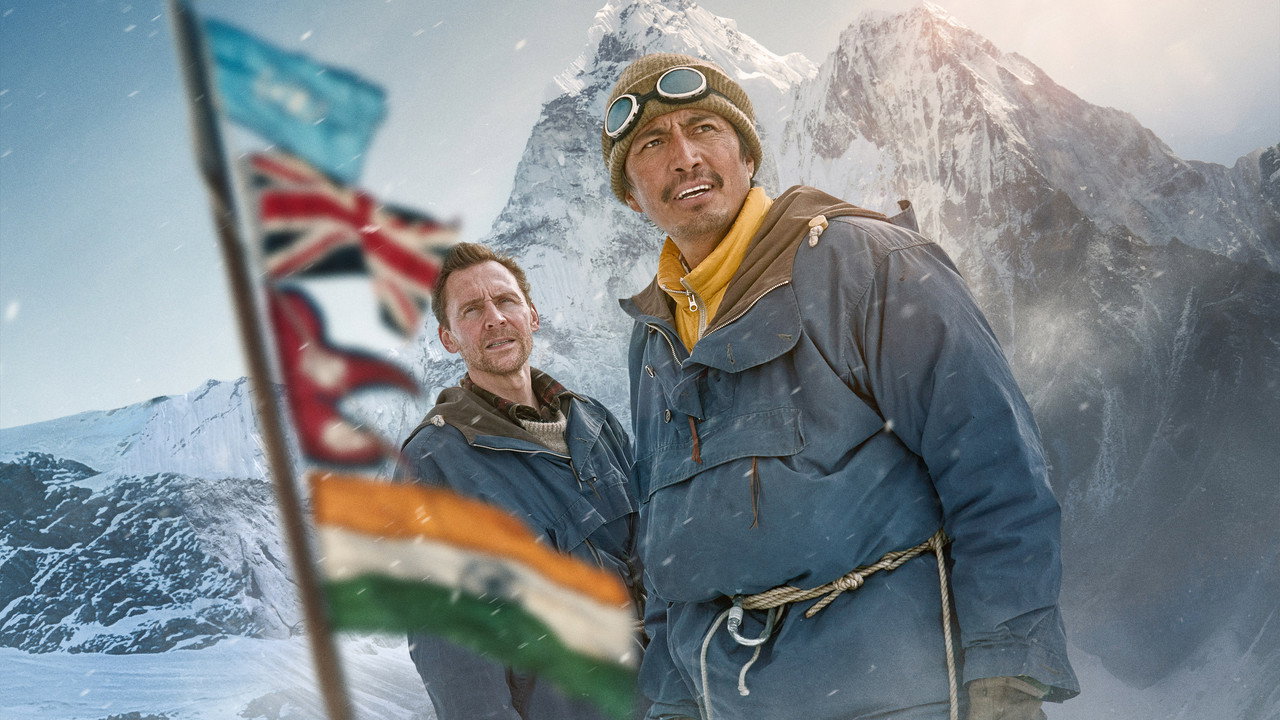
Jennifer Peedom’s 2026 drama Tenzing arrives with the tagline “The ascent that made history,” and it earns that promise by keeping its focus on a determined individual who refuses to let impossible odds dictate his fate. Without revealing the early expeditions or the training that occupies the first act, we can look directly at the conclusion. The closing chapter provides a Tenzing ending explained perspective that centers on the moment the summit of Mount Everest is finally within reach. Rather than leaning on staged action spectacle, the film lets silence and thin air carry the tension. Genden Phuntsok, who carries the title role with quiet intensity, shows a man whose faith in his own ambition never bends. The last sequence is a meditation on exhaustion and elevation, not a race against time.
The production benefits from real locations and the presence of actual Sherpa contributors, which grounds the finale in authenticity. While some viewers might expect a crowded climax with many foreign climbers, the story wisely narrows to the personal. If you appreciated the patient realism found in Seven Years in Tibet, you will recognize a similar respect for Himalayan culture here. The camera lingers on faces more than on explosions, and that choice makes the final steps feel earned. This is a based on true story account, so the weight of history is always present even when the screen is still.
What Happens
To understand what happens end of Tenzing, we must look at the final high-altitude push. The determined man embarks on a high-stakes quest that has consumed years of preparation, and the last stretch places him against the cruellest elements of the mountain. He overcomes staggering natural challenges to become the first person standing on that highest summit. The film does not invent a false twist; instead, it shows the practical triumph of rope, breath, and will. Tom Hiddleston and Willem Dafoe appear in supporting roles that frame the expedition from outside perspectives, but the lens never leaves the protagonist’s interior experience during the ascent.
By the time the crest is touched, the narrative has already won its emotional argument. The 1950s setting means the achievement lands as a signal moment for Nepal and for mountaineering as a whole. Samdrup Dorje Lama, Bhuchung Kata, Johnny Flynn, Lhakpa Tsamchoe, and Jampa Kalsang Tamang round out a cast that speaks the languages of the region with natural rhythm. The ending does not cut away to celebration in a distant capital; it holds on the wind and the view. That restraint is a strength, not a omission.
The Meaning Behind the Ending
The Tenzing ending meaning goes beyond a simple checklist of who stood where first. It is about making history through a partnership between human courage and an unforgiving natural world. The film’s man vs nature theme reaches its resolution not by conquering the peak but by surviving it with dignity. In the 1950s, the idea of a person from Nepal claiming the summit carried cultural weight that the script honors without speechifying. The ascent that made history is presented as a shared human inheritance rather than a national trophy. When the title character looks out from the top, the audience feels the cost and the grace of the moment.
This is not a sanitized hero myth; it is a based on true story meditation on what ambition costs and what it returns. The rating of 7.286/10 from early viewers suggests the film is respected more than it is adored, which matches its sober tone. Still, the final act leaves a mark because it trusts the viewer to find emotion in endurance. The mountaineering feat becomes a lens for examining persistence under indifferent skies.
Themes You Might Have Missed
Throughout this breakdown, Tenzing explained as a cultural document reveals layers beneath the climb. The theme of Nepal is not just a backdrop; it is a living participant in the story. Local customs, language, and the daily reality of high villages inform every decision the protagonist makes. Because the movie is based on true story events from the 1950s, the viewer gains a window into a transitional decade when global attention first turned to the Himalayas. The mountaineering itself is a metaphor for man vs nature, but also for the negotiation between outside influence and indigenous strength.
Another subtle thread is the idea of making history quietly. The tagline promises an ascent that made history, yet the film avoids loud patriotism. Instead, it shows history as something built by individuals who are rarely given central framing in traditional accounts. For those who enjoy rigorous historical portraits, Richard Jewell offers a comparable look at a real person placed under public scrutiny. Both films keep their subjects human rather than symbolic. The Sherpa viewpoint, afforded genuine room here, reframes what we think we know about early Everest attempts.
Is Tenzing Worth Your Time?
Given the Tenzing movie length of 126 minutes, the pacing demands patience but rewards attention. This is not a rapid thriller; it is a drama that lets altitude sickness and quiet determination share the screen. Viewers who appreciate historical authenticity and performances rooted in place will find much to admire. The direction by Jennifer Peedom keeps the camera honest, and the score never tells you how to feel. If you liked the procedural weight of JFK in its commitment to detail, you will respect the meticulous approach taken here.
Those seeking constant peril may feel the middle stretches slow, yet the final act pays off the wait. The story of a resolute individual who conquers brutal conditions to stand first atop the world’s tallest mountain stands as a solid entry in the mountaineering genre. It is a based on true story work that prioritizes people over spectacle. For a free streaming blog audience, it offers a thoughtful evening rather than a disposable thrill.
Tenzing Key Details
For quick reference, here are the essential facts about the film:
- Director: Jennifer Peedom
- Runtime: 126 min (Tenzing movie length noted above)
- Rating: 7.286/10 based on 14 votes
- Tagline: The ascent that made history
- Genres: Drama, History
- Setting: Nepal, 1950s, Mount Everest
- Cast includes: Genden Phuntsok, Tom Hiddleston, Willem Dafoe, Samdrup Dorje Lama, Bhuchung Kata, Johnny Flynn, Lhakpa Tsamchoe, Jampa Kalsang Tamang
- Themes: nepal, based on true story, mountaineering, mount everest, 1950s, man vs nature, making history
The combination of a respectful script and a focused performance from Genden Phuntsok makes this a memorable telling of a real ascent. Whether you came for the historical weight or the high-altitude drama, the ending will leave you with a clear sense of why the summit mattered.