S.W.A.T. (2017): A Sergeant Torn Between Two Worlds
A S.W.A.T. sergeant must balance loyalty to his childhood streets with his brothers in blue.
October 20, 2026
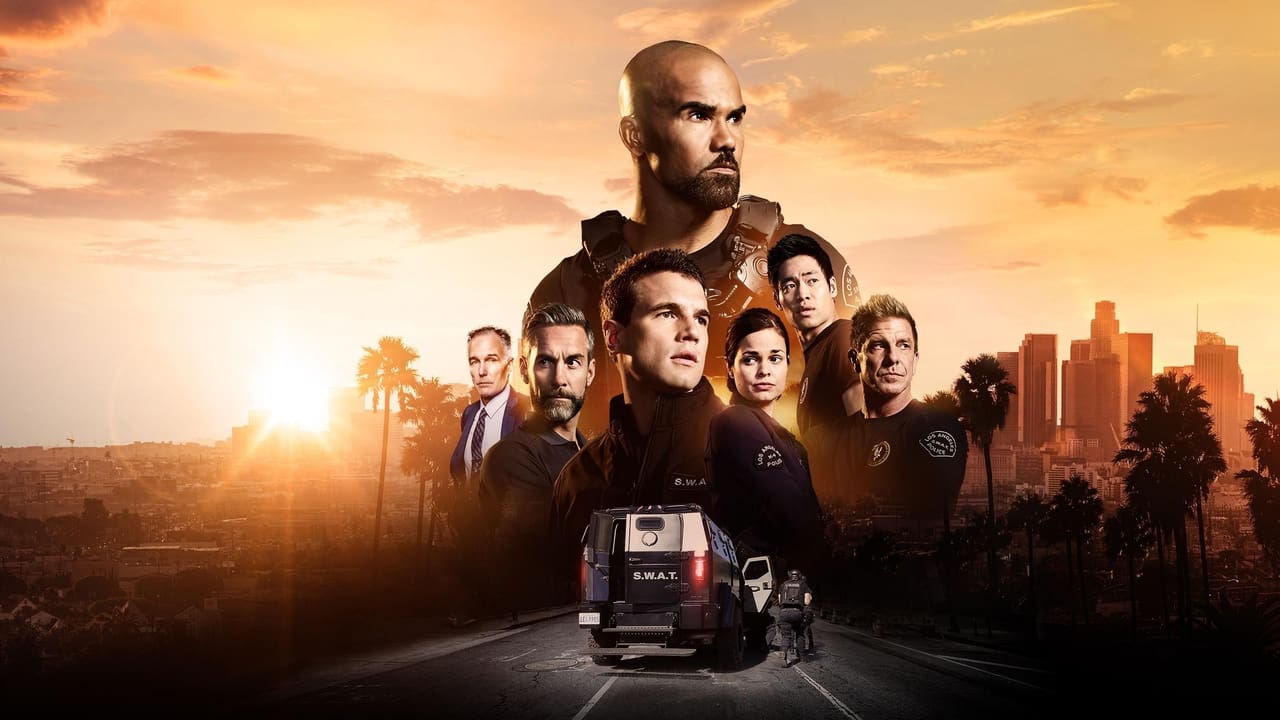
The Ending, Explained
When viewers reach the closing stretch of this Los Angeles police drama, a lot of loose threads come together in a way that rewards patience. The Law & Order: LA style of procedural storytelling shares some DNA with this series, but here the focus stays on one sergeant and his handpicked crew. For those catching up after binge-watching, the S.W.A.T. ending explained really comes down to how the lead reconciles where he came from with the badge he wears.
Without giving away the early setup, the final episodes put the unit in a position where loyalty is tested on both sides of the line. S.W.A.T. explained in simple terms is a story about a man who knows the streets of his old neighborhood and also knows the weight of police training.
What Happens
The last act centers on the sergeant leading a highly skilled unit through a crisis that touches the community he grew up in. Torn between loyalty to the streets, where the cops are sometimes the enemy, and allegiance to his brothers in blue, he strategically straddles the two worlds. What happens at the end of S.W.A.T. is that the tactical command unit must act without fully losing the trust of the people who raised him.
The special response teams are pushed into situations where standard procedure is not enough. First responders and LAPD allies appear as part of the broader picture, but the camera stays close to the elite unit and its police sergeant. The season closes with a choice that protects the neighborhood while keeping the team intact.
For readers who want a tighter recap, the S.W.A.T. season 1 finale explained shows the lead making a call that bridges both worlds instead of abandoning either one. It is a quiet kind of victory rather than a big explosion of resolution.
The Meaning Behind the Ending
The S.W.A.T. ending meaning is less about who gets arrested and more about belonging. The sergeant was assigned to lead a unit in the community where he grew up, and the finale confirms that his value comes from moving between two cultures without pretending to be someone else.
This is a reboot based on a TV series, yet the closing message feels current. Serve, protect, and unite is not just a tagline; it is the logic behind his final decision. The allegiance to his brothers in blue does not cancel out his loyalty to the streets. Instead, the ending suggests that a police procedural can still honor both.
Themes You Might Have Missed
Beneath the action and adventure, the drama keeps returning to identity. The sergeant's police training taught him how to run an elite unit, but his childhood in Los Angeles, California taught him when to listen. That double knowledge is the spine of the show.
Another quiet theme is the cost of being a first responder who is also a neighbor. The special response teams train for the worst, yet the tactical command unit in this story spends as much time managing trust as managing threats. Viewers who enjoyed the rhythm of Law & Order: Organized Crime may notice a similar care for how institutions shape personal choices.
The reboot also nudges at the idea that a police procedural does not need a lone hero. The unit wins because each member covers a different angle, from tactical entry to community read. That ensemble framing is easy to miss when the promos highlight Shemar Moore up front.
S.W.A.T.: The Bottom Line
This 2017 crime drama earned a rating of 8.027 out of 10 from 1613 votes, which signals a solid reception among streamers who like their action grounded in character. The cast includes Jay Harrington, David Lim, Patrick St. Esprit, Anna Enger Ritch, Niko Pepaj, and Annie Ilonzeh alongside Shemar Moore.
If you like stories where the lead is pulled between two loyalties, this one delivers without drowning in preachiness. The final act is where the premise pays off, and the S.W.A.T. ending meaning becomes clear only if you have watched the unit struggle to stay united.
Fans of Boston Blue might appreciate how another modern police show handles the same tension between duty and hometown ties, though the settings and tone differ.
S.W.A.T. Essentials
The basics worth remembering before you press play:
- Title: S.W.A.T. (2017)
- Genres: Crime, Action & Adventure, Drama
- Rating: 8.027/10 from 1613 votes
- Tagline: Serve • Protect • Unite
- Lead: Shemar Moore as the Los Angeles S.W.A.T. sergeant
- Supporting cast: Jay Harrington, David Lim, Patrick St. Esprit, Anna Enger Ritch, Niko Pepaj, Annie Ilonzeh
- Source: based on TV series, presented as a reboot
The plot follows a Los Angeles S.W.A.T. sergeant assigned to lead a highly skilled unit in the community where he grew up. Torn between loyalty to the streets, where the cops are sometimes the enemy, and allegiance to his brothers in blue, he strategically straddles the two worlds. That summary is the key to why the ending lands the way it does.
Whether you came for the tactical command unit scenes or the police procedural pacing, the show holds together because the final act answers the question it raised in the opening minutes. S.W.A.T. explained through its essentials is a story about unity under pressure, not just arrests and raids.
For a quick navigation aid, remember that the S.W.A.T. season 1 finale explained section above covers the climax, while the meaning section digs into why the sergeant's choice matters. The themes section points out the smaller signals hidden in the action beats.
Streaming viewers who enjoy LAPD stories set in Los Angeles, California will find familiar beats here, but the reboot angle keeps it fresh. The elite unit is competent without being cartoonish, and the police sergeant's conflict feels specific rather than generic.
One last note for completionists: the show's blend of first responders and special response teams makes it a neat bridge between pure procedurals and character dramas. If the S.W.A.T. ending explained breakdown above left you curious, the full season is the best way to see how the two worlds finally meet.