Supertrain (1979): A Nuclear Luxury Train Across America
Supertrain (1979) is a futuristic nuclear luxury train series where weekly guest stars face light adventures mixing comedy, mystery, and drama.
November 5, 2026
The Ending, Explained
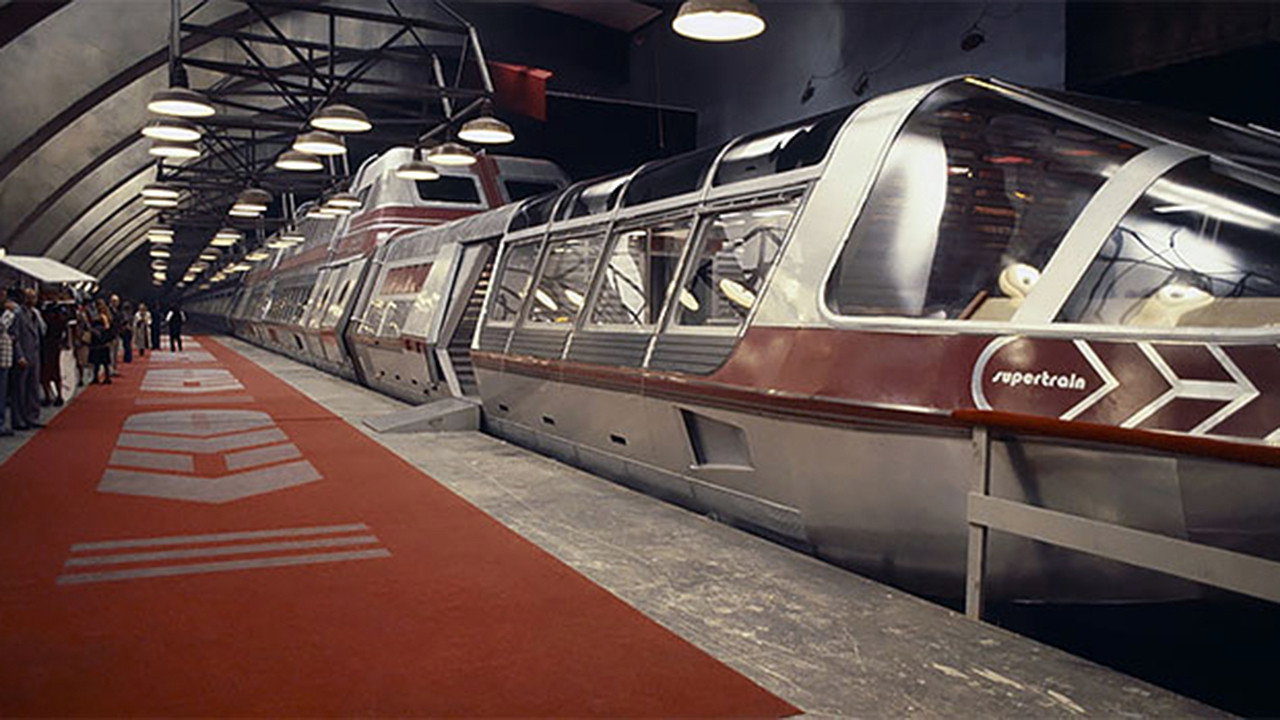
Before we examine how this 1979 television curiosity closes its stories, it helps to note the program was built as a rotating ensemble piece. A futuristic, nuclear-powered luxury train travels across America, and every week a fresh group of guest stars boards for a self-contained adventure. The consistent presence of Edward Andrews, Harrison Page, and Robert Alda gives the fluctuating passenger list a stable backbone. The final chapter of each voyage, Supertrain ending explained, centers on the resolution of weekly passenger dilemmas without undermining the light tone established earlier.
Because the series follows a template similar to a certain nautical comedy, it resists serialized puzzles. That decision means the conclusion of any episode stands alone. The adventure, comedy, and drama elements tie off as the locomotive eases into a station or continues down the railroad track. This architecture lets a viewer skip the first act and still grasp the payoff, which is what we do by focusing on final movements. The mix of genres ensures that the final beat can accommodate both a solved mystery and a heartfelt goodbye.
Viewers who enjoy this kind of ensemble storytelling should revisit The Love Boat, which pioneered the guest-star voyage formula and remains the clearest ancestor of this production.
What Happens
Within a single installment, a conflict arises among travelers after departure. The middle portion delivers the promised blend of action and humor against the polished cars. The calm after the mystery, what happens at the end of Supertrain, usually shows the luxury train reaching its next station with everyone a little wiser. No elaborate twist is required; satisfaction comes from seeing passenger stories conclude with warmth.
The nuclear-powered setting is more than decoration. It permits the train to cross the country with freedom, reinforcing the railroad as a space where lives briefly intersect. The principal performers often help broker the finale, encouraging guest characters toward small epiphanies before credits. Harrison Page and colleagues ground the fantastical vehicle in relatable hospitality. The result is a dependable structure that never leaves tone in doubt.
The Meaning Behind the Ending
Understanding closure requires seeing what the program values. The closure for travelers, Supertrain ending meaning, highlights the comfort of railroad journeys as a metaphor for transient community. In a nation linked by steel lines, strangers share a mobile home briefly, then part. The final act honors that gentle separation rather than resisting it.
By keeping emphasis on passenger experience, the writers quietly comment on modern mobility. The train is both luxury object and democratic space where drama unfolds regardless of standing. That weight is easy to miss under bright comedy, yet it grants the ending poignancy. The railroad becomes a symbol of connection, not mere transport. Such quiet observation elevates what could have been disposable television.
Themes You Might Have Missed
Beyond travel trappings, the series dwells on three ideas. First, the passenger is never passive; each week they arrive with needs that shift the car dynamic. Second, the train functions as a character, a gleaming machine of progress. Third, the railroad represents America’s backbone linking places. The format, Supertrain explained, relies on a rotating guest cast aboard a nuclear-powered locomotive to explore those notions without lecturing. These threads weave together without heavyhanded dialogue.
Those fascinated by futuristic rails may also appreciate Galaxy Express 999, an animated train saga from 1978 that pushes the technology angle into science fiction while keeping the lure of journey intact.
Supertrain: Our Final Verdict
With a small pool of ratings, the score sits at 5.6 out of 10 from five votes, reflecting modest reception among few viewers. That number misses the show’s historical curiosity as a land-based cousin to ocean voyage sitcoms. For a free streaming blog audience, the appeal is nostalgic and structural. The fusion of action, adventure, comedy, and drama offers pleasant background watch. Its short episode count by modern standards makes it an easy weekend browse.
Our companion resource, Supertrain episode list, breaks down weekly adventures for curious viewers who want specific guest stars. We recommend dipping in anywhere, since entries stand alone. The episodic nature lets you treat the series like a railroad diner—stop, enjoy, move on.
If you prefer darker locomotive fiction, Kabaneri of the Iron Fortress offers a steep contrast to lighthearted luxury cars and may satisfy those wanting tension.
Supertrain At a Glance
For quick reference, here are the core facts we covered:
- Title: Supertrain (1979)
- Genres: Action & Adventure, Comedy, Drama
- Main cast: Edward Andrews, Harrison Page, Robert Alda
- Setting: Futuristic nuclear-powered luxury train across America
- Format: Weekly guest stars with mystery, comedy, adventure
- Rating: 5.6/10 from 5 votes
The blend of passenger stories and railroad movement makes the series a tidy artifact. Whether you seek Supertrain ending explained or a soft diversion, the train is ready to depart. Themes of travel and transient community remain relevant whenever it resurfaces on streaming platforms.