Succession (2018): Who Really Wins the Roy Family War
A clear breakdown of Succession's final season, from what happens to the Roy family to the meaning behind the ending and the themes beneath it.
November 24, 2026
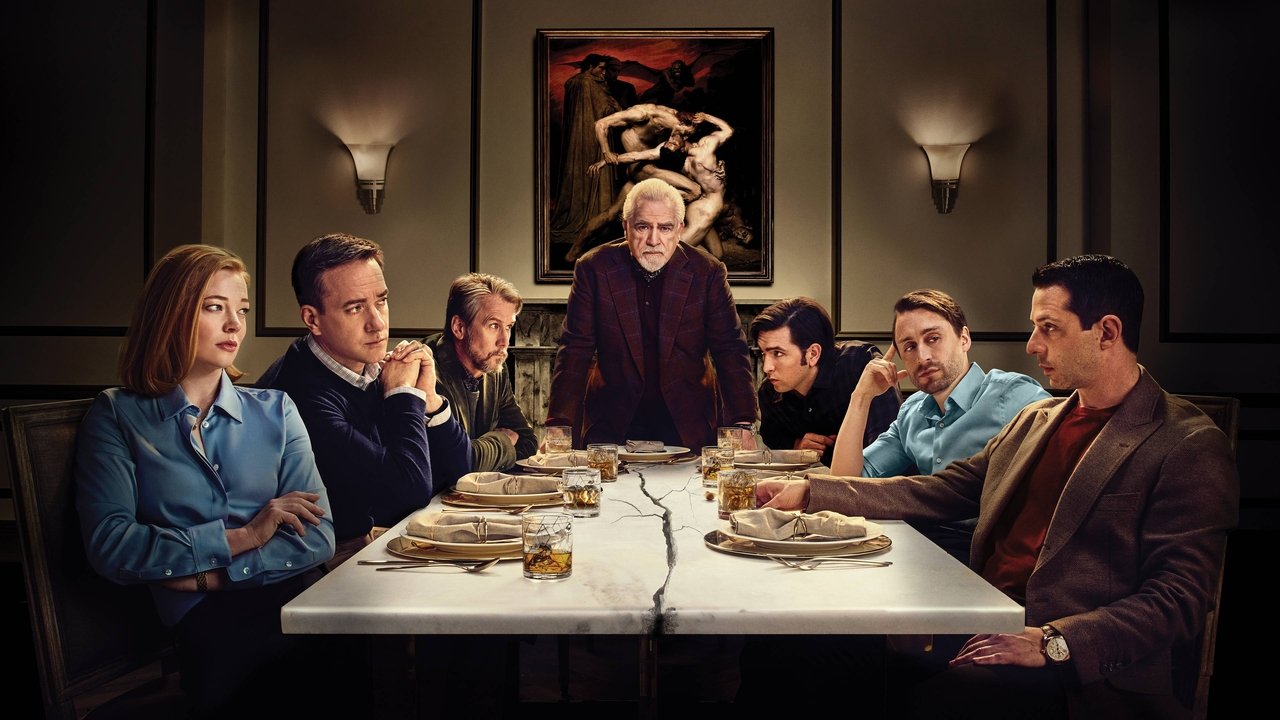
The Ending, Explained
Few shows stick the landing the way this one does, and the final chapter of the Roy family saga is the reason so many viewers go looking for a proper breakdown after the credits roll. The story follows Logan Roy, the aging patriarch of a global media and entertainment empire, and his four adult children who spend four seasons circling the throne he refuses to fully give up. By the time the last episodes arrive, the question of who will run Waystar Royco has been asked, dodged, and weaponized so many times that the answer turns out to be none of them — at least not in the way any of them imagined.
If you are hunting for a clear-eyed take on what happens at the end of Succession, the short version is this: the family does not win. The company slips into the hands of someone who was never a Roy by blood but who understood the game better than any of them, and the siblings are left to reckon with the consequences of a lifetime of competing for a father's approval that was never really on offer.
What Happens
Without giving away the early beats, the closing stretch puts the siblings in an unfamiliar position: they have to cooperate if they want to block an outside sale, and for a brief moment it looks like they might actually pull it off. That fragile alliance is the emotional engine of the finale. Watching Kendall, Shiv, and Roman try to function as a unit is both funny and painful because the same instincts that made them formidable in boardrooms make them incapable of trusting each other at a dinner table.
The vote that decides the company's future is the centerpiece, and it plays out like a family argument dressed up in corporate procedure. Loyalties shift, old resentments surface at the worst possible moment, and one sibling makes a choice that reads as self-preservation but lands as betrayal. When the tally is final, control of the empire passes to a figure the audience has watched maneuver for years — a man whose lack of a famous surname turns out to be his greatest asset, since he never had to fight a parent for the right to lead.
As the dust settles, the three eldest siblings are left in separate rooms, living separate lives. Kendall walks away with nothing to show for a lifetime of preparation. Shiv has to sit with the fact that her seat at the table was always going to be borrowed. Roman, who spent the season cracking open, ends up quietly adrift. The show does not give anyone a dramatic exit; it just lets them sit in the silence, which is far crueler and far more honest.
The Meaning Behind the Ending
The most satisfying readings of the Succession ending meaning focus less on who won and more on the cost of the entire contest. Everyone who spent years scheming lost something they can never buy back: the possibility of a real relationship with their siblings. The winner of the boardroom battle is a man who spent the series being underestimated, and his triumph is a dark joke about meritocracy — the one person in the building who actually behaved like a professional ends up on top, while the heirs destroy each other over a crown that was never theirs to take.
It is also worth noting that the show refuses to romanticize the family business. Every Roy child was handed advantages most people can only dream of, and every one of them ends up hollowed out by the competition their father encouraged. That is the uncomfortable heart of Succession explained as a tragedy of wealth: money solves nothing for these people, because the thing they actually want — being chosen, being loved without conditions — cannot be purchased or inherited.
Themes You Might Have Missed
One thread running through the final act is the idea of succession as a curse rather than a gift. Logan built something enormous, and the burden of carrying it destroyed the people he expected to carry it. The children were raised as candidates, not as kids, and the finale makes plain that the audition never really ended.
Another theme is the way proximity to power corrupts the people on the periphery too. The hangers-on, the executives, the spouses — everyone who circled the family hoping for a piece of it ends up compromised. The show is a study of a dynastic machine that chews up everyone it touches, servants and heirs alike.
There is comedy buried in all of it, too. The show is often described as a drama, but its funniest moments come from how casually the rich treat disasters that would end anyone else. That tonal tightrope is what makes it so rewatchable, and if you enjoy families spiraling over money and inheritance, The Goodwin Games is a lighter, gentler spin on the same inheritance-fight premise. For something with a sharper edge and a father figure worth quarreling with, Unstable is a fitting companion watch. And if you want a warmer take on sibling dynamics after such a heavy finale, Even Stevens is the palate cleanser that will let you breathe again.
Familial loyalty versus self-interest is the theme the finale hammers hardest. Each sibling believes they are acting for the good of the family, and each one is really acting for themselves. The show never resolves that tension, which is why conversations about it continue years after the finale aired.
Succession: The Bottom Line
This is television that rewards attention. The writing never hands you a verdict; it hands you people who are recognizable, embarrassing, and sometimes even lovable, and it lets them fail in ways that feel inevitable. The final season earns its reputation because it is willing to be disappointing in the way real life is disappointing — nobody gets exactly what they deserve, and the ones who want it most get the least.
For anyone still piecing together the finale, a solid Succession finale explained piece should leave you convinced that the ending is not a twist but a conclusion the whole series was quietly building toward. The crown changed heads, the family stayed broken, and the credits rolled on a group of people who are rich beyond measure and poor in every way that matters.
Succession Explained
So when people ask for the Succession ending explained in a single sentence, the fairest answer is that the Roy children lose the thing they were taught to want, and the show argues that this might be the only honest outcome available to them. A final chapter that denies its characters a clean arc is a final chapter that tells the truth about dynasties: they pass, they rot, and the people standing in line get hurt on the way.