Street Fighter (2026): Ryu and Ken's Deadly Reunion
Chun-Li recruits estranged fighters Ryu and Ken for the World Warrior Tournament, where a deadly conspiracy forces them to face each other and their past.
October 16, 2026
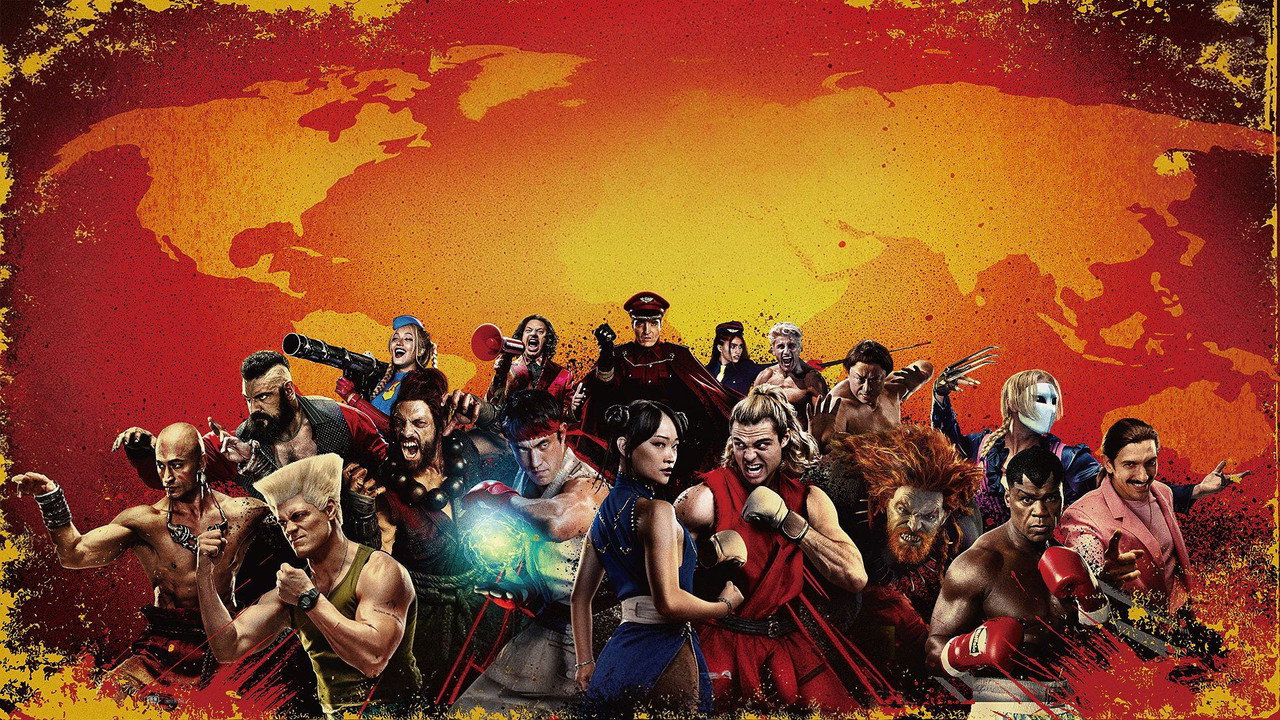
The Ending, Explained
The final chapter of this 2026 action fantasy revisits the brutal World Warrior Tournament where Ryu and Ken Masters must confront more than external opponents. Our Street Fighter ending explained discussion centers on the last minutes, when the deadly conspiracy behind the event pushes the two estranged fighters into direct opposition. Kitao Sakurai's film runs 120 minutes and earns a 6.5/10 from 25 voters, but the closing act carries weight beyond the score.
Without spoiling the early setup, it is safe to say the tournament is not just a martial arts exhibition. The tagline "Ready. Set. Fight." frames a constant pressure. By the time the conspiracy surfaces, the line between ally and enemy blurs, and the heroes face the demons of their past in a very literal sense. The genre blend of action and fantasy allows the conspiracy to operate on both physical and symbolic levels.
Set in 1993, the movie uses its decade as more than decoration. The 1990s context feeds the battle royale aesthetic, where manufactured televised spectacles mirror the fighters' internal struggles. Themes of power and powers circulate through the narrative, and the ending clarifies which kind of strength actually matters.
The ensemble cast, headed by Andrew Koji and Noah Centineo, supports this climax with grounded reactions. Callina Liang's Chun-Li operates as the recruiter whose motives crystallize only near the end. Other players like David Dastmalchian, Eric Andre, Andrew Schulz, Mel Jarnson, and Cody Rhodes fill the tournament with varied energy.
What Happens
We can clarify what happens at the end of Street Fighter by examining the climax where the battle royale reveals its true purpose. The mysterious Chun-Li has recruited the fighters for a reason that extends beyond a simple championship. As the tournament collapses into a personal duel, Ryu and Ken must decide whether to surrender to the forces manipulating them or break the cycle.
A fuller Street Fighter explained perspective shows that the final showdown is both physical and emotional. Hand to hand combat reaches its peak, but the real victory is rejecting the conspiracy's demand that they destroy each other. The cast, including Andrew Koji and Noah Centineo, delivers performances that anchor the fantastical elements in human stakes.
During the closing sequences, the martial arts tournament format gives way to a direct confrontation. The wuxia influence surfaces in the disciplined movement even as fantasy elements raise the stakes. The plot's stated warning of "GAME OVER" looms if the fighters fail to resolve their conflict on their own terms.
Fans of wuxia and martial arts tournament stories may also enjoy The Forbidden Kingdom, which blends similar Eastern combat traditions with fantasy adventure. That film likewise builds toward a climax where personal growth outweighs mere victory.
The Meaning Behind the Ending
The Street Fighter ending meaning becomes apparent when you consider the theme of power and its corruption. The tournament promises greatness, yet the conspiracy thrives on turning warriors against their own history. When the fighters choose not to obey the scripted outcome, they reclaim agency. This mirrors the broader 1990s setting, where personal identity clashes with manufactured spectacle.
In this light, the phrase "GAME OVER" from the plot is not just a loss condition but a refusal to play by arbitrary rules. The film's rating of 6.5/10 suggests mixed reception, but the thematic closure is deliberate. The ending suggests that the true battle was always against the demons of their past rather than against each other.
Because the story is based on a video game, some viewers expect a linear path to a boss fight. Instead, the final act subverts that expectation by making the player-like characters conscious of their role. The powers they exhibit become symbols of self-mastery rather than external cheats.
For a contrasting take on survival contests, The Hunger Games offers a dystopian battle royale where the system is equally manipulative, though grounded in different genre conventions. Both films question who controls the arena.
Themes You Might Have Missed
Beyond the obvious hand to hand combat, the movie quietly explores wuxia ideals of discipline and destiny. A Street Fighter plot breakdown highlights how the "powers" hinted in the keywords manifest not as magic alone but as mastery over self. The 1990s backdrop adds nostalgia without softening the brutal stakes.
Another layer is the based on video game heritage. The film respects the source material's tournament structure while injecting fantasy through the deadly conspiracy. Callina Liang and David Dastmalchian round out a cast that balances known names with fresh energy. Eric Andre, Andrew Schulz, Mel Jarnson, and Cody Rhodes contribute to the ensemble's texture.
Notice the recurring motif of estrangement. Ryu and Ken begin disconnected, and the conspiracy exploits that gap. The ending's resolution depends on rebuilding trust, a theme that aligns with the martial arts idea that combat is a path to harmony rather than only dominance.
If you appreciate stories of warriors reclaiming honor, Mulan presents a parallel journey of identity and courage under pressure. Its historical framing differs, but the emotional core of self-definition resonates similarly.
Final Verdict on Street Fighter
Street Fighter (2026) is a competent entry in the martial arts fantasy space. Director Kitao Sakurai handles the 120 minute runtime with enough momentum to keep the final act engaging. While the 6.5/10 rating from 25 votes indicates room for improvement, the ending's thematic resolution satisfies viewers who enjoy character-driven combat. The blend of battle royale tension and personal reconciliation sets it apart from generic adaptations.
The film's strengths lie in its cast and its willingness to frame the tournament as a crucible for past traumas. Those seeking pure action will find hand to hand combat aplenty, while those wanting substance get a concise metaphor about power. The tagline "Ready. Set. Fight." encapsulates a narrative that continually asks what fighting is for.
Given the source material, the movie could have leaned harder into spectacle. Instead, it reserves its biggest swings for the closing moments, where the conspiracy and the personal drama intersect. That choice may divide audiences, but it serves the ending's message.
Street Fighter Fast Facts
- Title: Street Fighter (2026)
- Genres: Action, Fantasy
- Director: Kitao Sakurai
- Runtime: 120 min
- Rating: 6.5/10 (25 votes)
- Tagline: Ready. Set. Fight.
- Main cast: Andrew Koji, Noah Centineo, Callina Liang, David Dastmalchian, Eric Andre, Andrew Schulz, Mel Jarnson, Cody Rhodes
- Themes: martial arts, based on video game, martial arts tournament, wuxia, hand to hand combat, 1990s, battle royale, power, powers
The plot summary reminds us: in 1993, estranged Street Fighters Ryu and Ken Masters are thrown back into combat when Chun-Li recruits them for the next World Warrior Tournament, a brutal clash of fists, fate, and fury. Behind this battle royale lies a deadly conspiracy that forces them to face off against each other and the demons of their past. And if they don't, it's GAME OVER!