Stranger Things (2016): A Small Town's Supernatural Secret
A small town faces secret experiments and supernatural forces after a young boy vanishes and a strange girl appears.
October 21, 2026
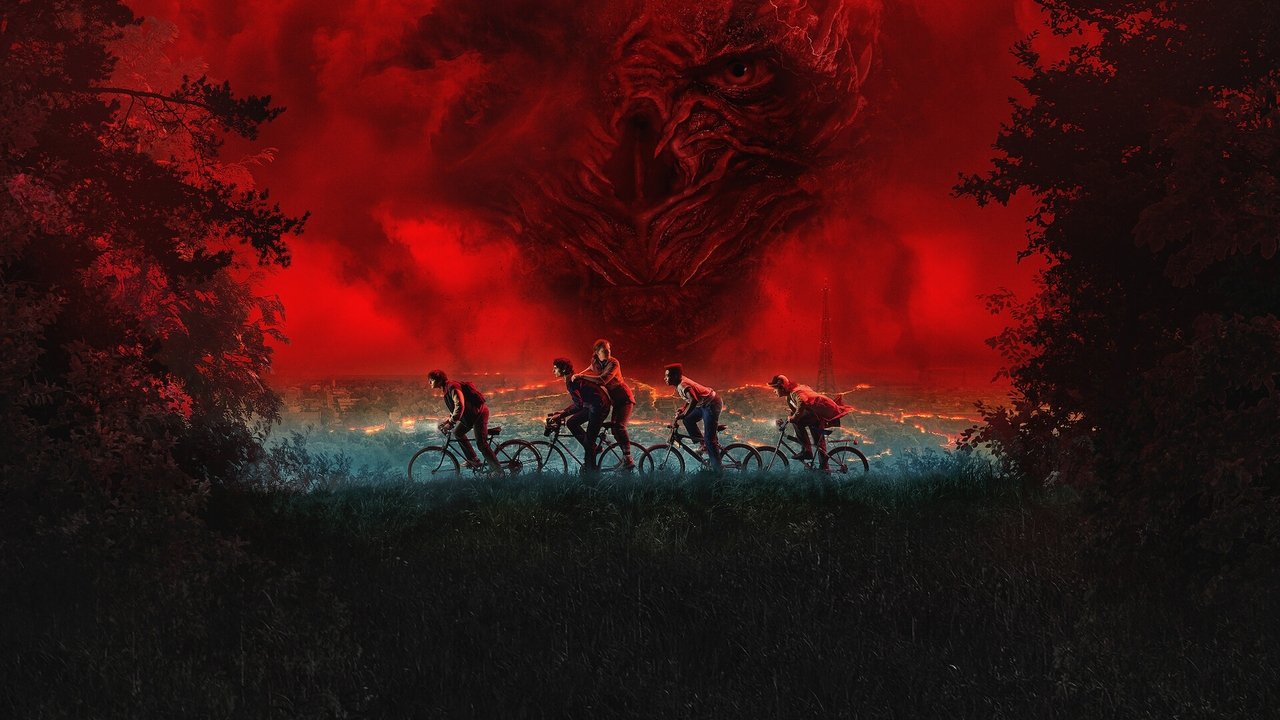
The Ending, Explained
Stranger Things premiered in 2016 as a hybrid of action, adventure, mystery, and sci-fi fantasy. The inciting disappearance of a young boy in a quiet community leads to revelations about clandestine tests, frightening otherworldly entities, and a mysterious young girl with unusual abilities. Although we will avoid detailing the early episodes that establish these threads, it is worthwhile to examine how the climax resolves the looming conflict. The resolution, Stranger Things ending explained, shows how the characters confront the monster from the parallel world and the government conspiracy that started it all.
The program gathered an impressive 8.547 score from over twenty-two thousand ratings, signaling that its mixture of dread and warmth connected widely. Its tagline promises "It only gets stranger...", and indeed the back half of the run leans into ever stranger incursions from a shadow realm. Without recounting the opening act, we can note that the final stretch puts emotional bonds center stage.
The period setting deserves mention. The story unfolds in an era of cassette tapes, board games, and suburban curiosity, which makes the sudden breaches of reality feel more jarring. This nostalgic frame helps the audience invest in the ordinary lives that are threatened by the unknown.
If you appreciate supernatural tales rooted in a small community, you might also enjoy Swamp Thing, a series that dwells on eerie forces within a rural setting.
What Happens
As the narrative reaches its closing chapter, the residents of Hawkins, Indiana face the full weight of a dimension that mirrors their own. The closing events, what happens at the end of Stranger Things, center on the fate of the missing boy and the strange little girl who shares a deep bond with the town's children. The final confrontations involve super powers clashing against a creature born from secret experiments conducted by hidden operatives.
We witness the teen drama intertwine with the supernatural as loyalties are tested under extreme pressure. The local police chief and the grieving mother emerge as protectors, doing whatever they can to shield the younger characters from further harm. Though we refrain from describing the inciting incident, the later scenes make clear that the parallel world cannot be ignored any longer.
The concluding battles are not merely physical; they are also contests of will. Friendship becomes the resource that allows the group to endure, and the strange girl's sacrifice highlights the cost of crossing between worlds. Such moments reward patient viewers who have followed the small town's ordeal.
Viewers who like stories about adolescents discovering abilities under pressure should check out The Imperfects, which follows a similar path of young people handling unexpected gifts.
The Meaning Behind the Ending
The finale is not just about defeating a monster; it is about the transition from childhood to adolescence. The symbolic resolution, Stranger Things ending meaning, reflects the cost of growing up in a world filled with government conspiracy and hidden labs. The children of Hawkins learn that their friendships are the only reliable shield against the dark.
The overarching narrative, Stranger Things explained, reveals that the supernatural threat mirrors the loss of innocence. Every experiment and every encounter with the alternate dimension pushes the characters toward maturity. The strange little girl’s journey especially underscores the theme of coming of age amid chaos, showing that power without connection leads nowhere.
While the show never preaches, its closing moments suggest that ordinary courage matters more than extraordinary ability. That message resonates with anyone who remembers the trials of teenage years, and it gives the sci-fi fantasy elements a grounded heartbeat. The ending therefore works as both a suspenseful wrap-up and a quiet meditation on change.
Themes You Might Have Missed
Beyond the obvious monster fights, the series plants subtle motifs. The last installment, Stranger Things final episode, subtly nods to 1980s Halloween aesthetics through costumes and autumn decorations in the small town. This reinforces the holiday’s link to the supernatural and to the idea that boundaries between worlds thin during such times.
Several core ideas recur throughout the run:
- A monster lurking in a parallel world threatens the safety of Indiana, USA.
- Secret experiments conducted by authorities fuel the government conspiracy angle.
- Friendship among the kids acts as the emotional anchor of the teen drama.
- Super power and supernatural events force a coming of age transformation.
- The small town setting amplifies the feeling of isolation when danger strikes.
- Halloween imagery and seasonal change underscore the eerie tone.
These threads weave together so that the climax feels earned. The audience can look back and see how each symbol supported the larger story.
For those who want another mysterious disappearance story, Goosebumps: The Vanishing delivers a playful yet spooky take on a child going missing.
Final Verdict on Stranger Things
Overall, the 2016 series stands as a compelling mix of genres. With performances from Winona Ryder, David Harbour, Millie Bobby Brown, Finn Wolfhard, Gaten Matarazzo, Caleb McLaughlin, Noah Schnapp, and Sadie Sink, it balances scare sequences with heartfelt character beats. The rating of 8.547/10 shows that audiences connected with its blend of mystery and sci-fi fantasy.
Even if some viewers debate the pacing of later chapters, the concluding act wraps the central mystery in a satisfying way. The show respects the time invested by those who followed the small town’s ordeal from the start, and it leaves room for reflection on the nature of courage.
The combination of practical effects, youthful energy, and slow-building dread creates a viewing experience that few streaming titles match. It remains a reference point for how to merge nostalgia with modern storytelling.
Stranger Things Highlights
To recap the essential elements:
- Genres: Action & Adventure, Mystery, Sci-Fi & Fantasy.
- Tagline: "It only gets stranger..."
- Plot: A young boy vanishes, leading to secret experiments, supernatural forces, and a strange little girl.
- Key cast: Winona Ryder, David Harbour, Millie Bobby Brown, Finn Wolfhard, Gaten Matarazzo, Caleb McLaughlin, Noah Schnapp, Sadie Sink.
- Themes: monster, small town, Indiana, USA, experiment, Halloween, friendship, supernatural, coming of age, parallel world, super power, government conspiracy, teen drama.
The show’s ability to balance a creeping monster narrative with the warmth of friendship is why discussions about the Stranger Things ending meaning continue long after the credits. Whether you approach it as a horror fan or a drama enthusiast, the final act delivers a memorable closure to the strange events in Hawkins.