Steps (2026): A Misunderstood Stepsister's Fairytale
A misunderstood stepsister accidentally turns her sister into a frog and must team up with Cinderella to rewrite their fairytale ending.
November 28, 2026
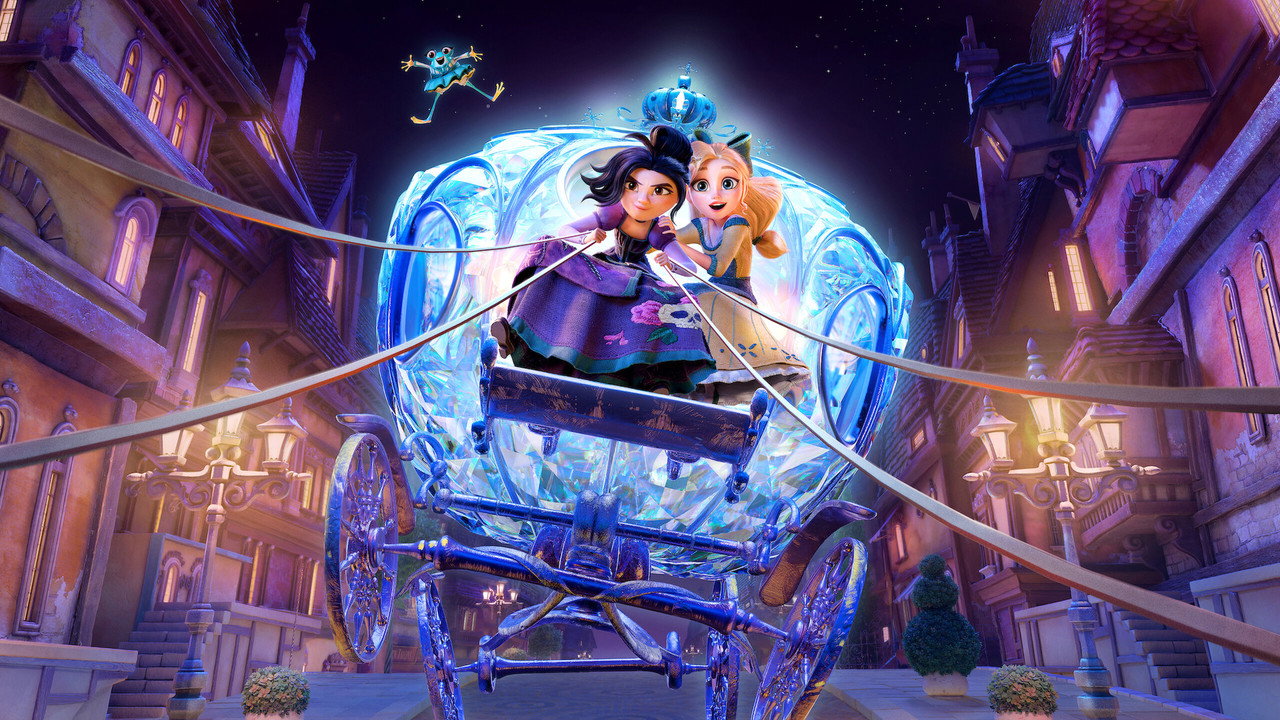
The Ending, Explained
If you have just finished watching this animated fairy-tale riff and are trying to piece together how the final act fits together, the Steps ending explained simply comes down to one idea: a story can be rewritten by the person who was never supposed to hold the pen. The film spends most of its runtime convincing you that its heroine is a screw-up, then lets her prove that the labels other people attach to us are not destiny.
What makes the conclusion satisfying is that it does not hand the win to a magical rescue. The kingdom is saved because a stepsister decides she is allowed to want something for herself.
What Happens
By the time the third act arrives, the chaos from the Royal Ball has snowballed. Our protagonist has already been accused of stealing a magic wand and ruining the celebration, and in the scramble that follows she accidentally turns her own sister into a frog. So the finale is not a single confrontation but a relay of problems: find a way to reverse the spell, keep the kingdom from collapsing into panic, and do it while a very unlikely team tries to stay on the same page.
That team is the film's real engine. Cinderella is not the villain here and not quite the savior either — she is a partner, and the two women have to negotiate what "happily ever after" even means when one of them was cast as the obstacle. The ally who joins them adds the wild card energy the last act needs, and it is that trio's willingness to improvise that carries the day. By the final stretch, the wand, the frog, and the ball all converge, and the resolution arrives through cooperation rather than a single wave of a stick.
For a different take on fairy-tale reinvention, Frozen is a natural comparison for how sisterhood gets reframed as the emotional core rather than the subplot. And if you enjoy musical energy baked into a fractured legend, Happily Ever After scratches a similar itch.
The Meaning Behind the Ending
So what happens at the end of Steps, thematically speaking? The spell is broken, but the more important reversal is social. The character everyone dismissed as the jealous, clumsy stepsister turns out to be the one who understands the kingdom's problems best, because she has spent her whole life watching from the margins. The film argues that being overlooked is a kind of education.
There is also a pointed rejection of the idea that one woman's happy ending requires another woman's humiliation. The stepsister and Cinderella do not swap places on a podium; they dismantle the podium. That is the Steps ending meaning in its cleanest form — the fairy tale is not won, it is rewritten.
Themes You Might Have Missed
The surface pleasures are obvious: a magic wand, a talking-animal-adjacent crisis, a kingdom in peril. Underneath, the film is unusually interested in reputation. Nearly every major character is operating under a story someone else told about them. The prince has a role to perform. The stepmother has a persona to maintain. Even the fairy godmother figure is bound by expectations about how rescue is supposed to look.
- Rebellion as responsibility. The heroine's rule-breaking is not framed as a flaw to be cured but as a skill the system needs.
- Chosen family over blood obligation. The bond that forms between the stepsister and Cinderella matters more than the title "sister" ever did.
- Magic has limits. The wand causes as many problems as it solves, which quietly undercuts the whole wish-fulfillment premise.
- Frogs as a metaphor. The transformation is a literal version of being seen as small, slimy, and disposable — and then refusing to stay that way.
The Steps frog ending works because the frog is never just a gag. It is the visual argument that a person's outward form is the least interesting thing about them.
Is Steps Worth Your Time?
At 107 minutes with a brisk pace and a genuinely stacked voice cast, this is an easy recommendation for families and for adults who like their fairy tales with a bit of bite. Alyce Tzue keeps the comedy sharp without letting the emotional beats get buried, and the script's willingness to let its heroine be messy — actually messy, not adorably clumsy — is refreshing. It will not reinvent animation, but it knows exactly what it wants to say about who gets to be the hero.
If you want another ensemble fairy-tale adventure with a mischievous streak, Trolls Band Together makes a fine double feature.
Steps Need to Know
Here is the short version for anyone still piecing the finale together. The Steps explained takeaway is that the resolution hinges on the stepsister choosing to act rather than waiting to be forgiven. The wand is neutralized, the frog situation is resolved, and the kingdom's idea of a proper fairy-tale ending gets publicly retired. Nobody gets crowned for being prettier or kinder or more deserving — they get a future because they stopped auditioning for roles written by other people.
That is a surprisingly grown-up message for a family comedy, and it is why the last act lands harder than the premise suggests. Come for the talking animals and the musical numbers; stay for a story about the girl the fairy tale forgot to write a happy ending for, who goes ahead and writes one anyway.