Stargate Atlantis (2004): Reawakening the Wraith in Pegasus
Stargate Atlantis (2004) follows a stranded expedition that must survive the Wraith while exploring an ancient city in the Pegasus Galaxy.
October 26, 2026
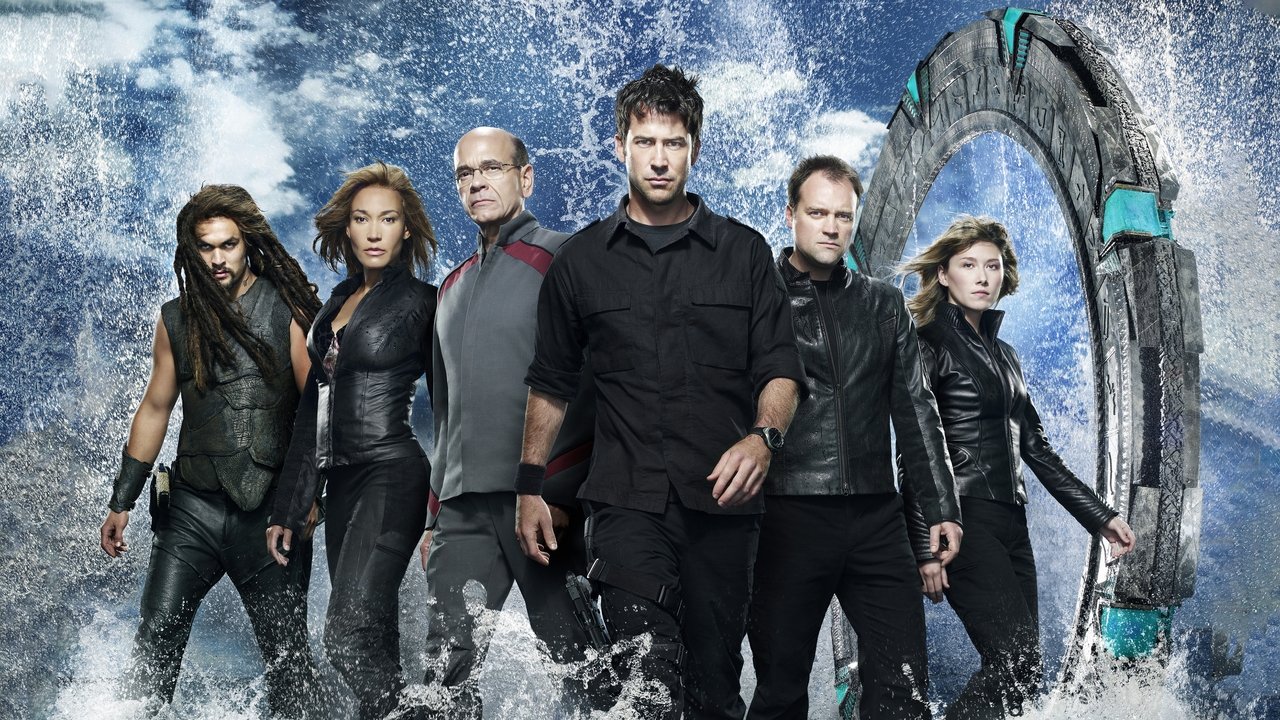
The Ending, Explained
Stargate Atlantis arrived in 2004 as a spin-off style continuation of the Stargate idea, dropping viewers into a distant corner of the universe. The series blends Sci-Fi & Fantasy with Action & Adventure and Drama, following Dr. Elizabeth Weir and Major Sheppard as they lead a mission. Many viewers searching for Stargate Atlantis ending explained are surprised that the conclusion ties back to the initial discovery of the city rather than a sudden twist. The tagline promises "A new gate will open. A lost city will rise again," and that sense of renewal carries through the final stretch. While we will not spoil the early missions, it is fair to say the later episodes pay off the isolation the team feels when Earth falls out of contact.
Instead of a tidy wrap-up, the show uses its last acts to reflect on the cost of awakening old enemies. The Wraith, described as a warrior race with an endless hunger, become the measuring stick for the Atlantis crew's resilience. In this light, the ending is less about defeating a monster and more about accepting a permanent frontier role. That approach keeps the rating of 8.022/10 from 1255 votes understandable, as fans appreciated the serious tone.
The ensemble includes familiar faces from other genre projects, with Jason Momoa later famous for larger roles. Rachel Luttrell's Teyla offers a perspective rooted in Pegasus cultures, making the isolation feel shared rather than purely human. Such character work supports the high rating without resorting to pure spectacle.
If you enjoy stories of isolated teams facing unknown threats, you might also like Star Trek: Enterprise for its own take on interstellar crews.
What Happens
The premise places the Ancients' city of Atlantis in the Pegasus Galaxy, found by Stargate Command. Once the expedition arrives, they cannot reach Earth and soon stir up the deadly Wraith. Without revealing the first act, we can note that what happens end of Stargate Atlantis centers on the team's ongoing effort to understand ancient technology while facing the Wraith. The local ally Teyla Emmagan helps bridge gaps between the visitors and the planet's natives.
The isolated Stargate Atlantis Pegasus Galaxy location means the team must rely on spacecraft and clever use of recovered tech. Joe Flanigan and David Hewlett portray key figures whose choices shape the survival plan. Rachel Luttrell brings Teyla to life, while Jewel Staite, Robert Picardo, and Jason Momoa round out a cast that handles both action and quieter dramatic beats.
Readers who prefer retro futurism can explore Buck Rogers in the 25th Century as another take on a hero facing strange galaxies.
The Meaning Behind the Ending
Beyond the surface conflict, the Stargate Atlantis ending meaning reflects the cost of encountering a warrior race and the hope of a lost civilization. The Ancients built a marvel, but their absence teaches that even advanced societies can vanish. The team's refusal to abandon the city mirrors the tagline's promise that a lost city will rise again through new inhabitants.
This thematic core elevates the show above simple monster-of-the-week formulas. The Wraith are not just enemies; they represent the consequences of unearthing powers beyond human scale. When the final credits roll, viewers are left with the idea that space travel demands responsibility toward alien races met along the way.
Themes You Might Have Missed
We watched Stargate Atlantis explained to understand the alien race conflicts and the subtle commentary on future colonization. Themes of technology, spacecraft, atlantis, future, space travel, galaxy, alien, alien planet, lost city, alien race, lost civilization, warrior race are all present but not always foregrounded. For example, the idea of a lost city is not merely a setting; it questions who gets to claim heritage among the stars.
Another quiet thread involves local alliances. Teyla Emmagan's people show that alien planets host complex cultures, not just backdrops for firefights. The series also hints that the Ancients' tools require moral maturity, a lesson repeated as the war against the Wraith continues.
For a different angle on aquatic heroes, consider Man from Atlantis which also plays with outsider status in strange environments.
How Good Is Stargate Atlantis, Really?
The numerical score of 8.022/10 across 1255 votes suggests a solid reception. Genres listed include Sci-Fi & Fantasy, Action & Adventure, Drama, and the mix delivers both brain and brawn. The casting of Jason Momoa early in his career adds a dynamic presence, while Robert Picardo brings seasoned character acting.
Some viewers might find the lack of Earth contact frustrating, but that very isolation fuels the drama. The show's strength lies in balancing spacecraft piloting with personal stories. Dr. Weir's leadership and Sheppard's field decisions create a believable command structure under pressure.
When measured against peers, the series holds up due to coherent world-building. The Pegasus Galaxy feels vast, and the Wraith pose a credible threat. Though we avoid spoilers, the ending's tone matches the serious stakes built from episode one.
Stargate Atlantis Scorecard
We can break down the show's merits using a simple list:
- Premise: Fresh take on a known franchise, moving to a lost city.
- Cast: Strong ensemble including Joe Flanigan, David Hewlett, Rachel Luttrell.
- Themes: Technology, alien race, lost civilization woven naturally.
- Rating: 8.022/10 from 1255 votes indicates fan approval.
- Genres: Sci-Fi & Fantasy, Action & Adventure, Drama satisfied.
Overall, the expedition's blend of action and reflection makes it a recommended stream for those who like their space travel thoughtful.