Star Trek (1966): A Bold Voyage Into the Unknown
A look at Star Trek (1966) ending, its meaning, and the Enterprise's five-year mission with Kirk and Spock.
October 26, 2026
The Ending, Explained
When a television phenomenon like this one reaches its closing chapters, viewers are often left with more than just a final credits roll. The original series follows the U.S.S. Enterprise on a five-year voyage through the stars, and by the time the mission nears its conclusion, the tone shifts from sheer novelty to reflection. Without delving into the early adventures that set the stage, it is fair to say that the final stretch emphasizes the cost and reward of venturing into the unknown. Captain James T. Kirk, played by William Shatner, and his Vulcan first officer Mr. Spock, portrayed by Leonard Nimoy, anchor a story about persistence. The ending of the program is not a tidy wrap-up of every alien threat; rather, it reinforces the idea that exploration is endless. When people look back at Star Trek 1966, they often wonder how a 1960s program could feel so forward-looking, and the resolution offers a clue: it trusts the audience to keep imagining beyond the screen.
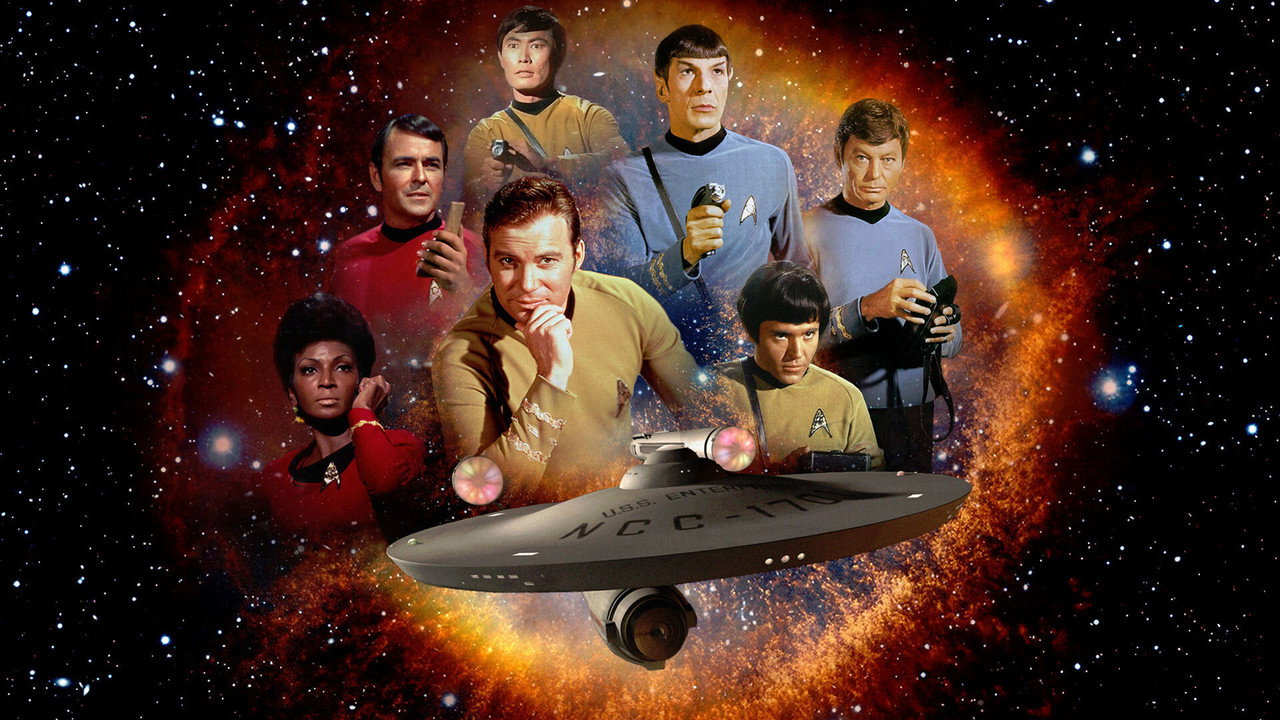
Throughout the last act, the crew has already met Klingons, Romulans, time paradoxes, tribbles, and even genetic supermen led by Khan Noonian Singh. The significance of the finale lies in how those encounters shape the ship's company. DeForest Kelley's Dr. McCoy, James Doohan's engineer, Walter Koenig, George Takei, and Nichelle Nichols as fellow officers round out a group whose loyalty becomes the true victory. The closing message echoes the tagline about going boldly where no one has gone before, suggesting that the journey itself is the destination. In a broader sense, the conclusion validates the entire premise of space travel as a unifying human endeavor rather than a military conquest.
What Happens
In the broader narrative, the Enterprise under Kirk's command continues its patrol through the 23rd century, facing political tensions with the Romulans and sporadic clashes with Klingon forces. The later episodes bring the crew to distant planets where moral choices matter more than phaser fire. Mr. Spock's half-human heritage serves as a bridge between logic and emotion, especially when the ship confronts paradoxes that could erase history. While we avoid detailing the opening missions, it is clear that the eventual standoffs with Khan and other threats test the limits of friendship among the senior staff. The ship's company learns that every new civilization offers a mirror for their own values.
The rhythm of the final broadcasts keeps the focus on character over spectacle. Even when the stakes involve a genetic superman or a swarm of tribbles, the writers ground the drama in personal decisions. This approach makes the concluding chapter feel like a natural extension of the show's core mission: to explore strange new worlds and seek new life. The audience is left with the impression that the five-year expedition, though bounded by a timeline, opens a door that cannot be closed.
If you enjoy this kind of space adventure, you might also like Star Trek: Prodigy (2021), which continues the franchise's tradition of young explorers finding their place among the stars.
The Meaning Behind the Ending
A thoughtful Star Trek review will note that the closing episodes remind us why the crew's bond matters more than any single victory. The series finalizes its themes of space travel and exploration by showing that the Federation's strength comes from diversity. A multi-racial bridge crew was radical for the 1960s, with women and people of color in command roles that were unheard of elsewhere on television. The ending does not lecture; it simply presents a functioning future where cooperation is normal. That quiet confidence is the real payoff, suggesting that the true frontier is understanding rather than territory.
The imaginative scope of the show also means the finale feels larger than a single ship. By referencing strange new worlds and new civilizations, the script implies that the Enterprise's story is one of many. The 23rd century depicted here is a backdrop for endless space opera possibilities, and the last act invites the viewer to keep dreaming. In this sense, the conclusion is not an ending at all but a handoff to the imagination of the audience. The tagline becomes a promise rather than a slogan.
Themes You Might Have Missed
Beyond the obvious aliens and laser battles, the program weaves subtle commentary into its runtime. Friendship across cultural lines is a constant current, as is the ethical use of technology. The presence of tribbles or campy costume creatures should not distract from the sophisticated storylines that tackled topics considered risqué even today. Some female characters wear mini-skirts as a period fashion, and certain monsters look dated now, but the writing remains sharp. The remastered project with updated CGI helps modern eyes appreciate the original intent without altering the messages.
Another layer is the constant negotiation between logic and emotion, personified by Spock and McCoy. Their banter is comic relief, yet it underscores a deeper philosophical question about what makes us human in a galaxy full of aliens. The series also treats the concept of a distant planet not as a backdrop for conquest but as a place where new forms of society can be observed. This gentle anthropology was ahead of its time and rewards repeated viewing.
Fans of sci-fi that push boundaries may appreciate Farscape (1999), a show that also blends weird aliens with deep character work and a willingness to question authority.
How Good Is Star Trek, Really?
The numerical score of 7.98 out of 10 from over fifteen hundred votes signals strong lasting affection. But numbers barely capture the cultural footprint. The directing and cinematography were ahead of their era, matching the craft seen in later acclaimed series. The genres of sci-fi, fantasy, and drama merge seamlessly, giving each installment a theatrical weight. While some effects are modest by current standards, the performances by Shatner, Nimoy, and Kelley carry the emotional load. The writing room attracted top talent who treated television as a medium for ideas, not just entertainment.
Compared with contemporary productions, the original run holds up because it respects its viewers. Complex moral dilemmas are presented without easy answers, a rarity in 1960s broadcasting. The space opera trappings never overwhelm the character moments, and that balance is why the show remains a reference point for creators. Whether one watches for the aliens or the philosophy, the quality is consistent across the mission.
For a lighter take on extraterrestrial agents, Men in Black: The Series (1997) offers campy fun after you finish the Enterprise's voyages. It shares the playful side of alien contact without the heavy philosophy.
Star Trek Essentials
For those new to the show, a few key elements define the experience:
- Command structure: Captain Kirk and Mr. Spock lead a determined crew.
- Mission: A five-year expedition to explore strange new worlds and seek new life.
- Adversaries: Klingons, Romulans, and Khan Noonian Singh provide conflict.
- Cast: William Shatner, Leonard Nimoy, DeForest Kelley, James Doohan, Walter Koenig, George Takei, Nichelle Nichols.
- Tagline: To boldly go where no man has gone before.
The blend of space opera, space adventure, and imaginative storytelling makes the 1966 program a cornerstone of the genre. Whether you watch the original broadcasts or a remastered version, the core message about exploration and friendship remains intact. The final act, explained here without spoiling early plots, proves that a distant planet or a time paradox is just a setting for human connection. Few series manage to be both a product of their decade and timeless, yet this one earns that description through careful craft and bold ideas.