Star Trek: The Next Generation (1987): Meet Captain Picard's Crew
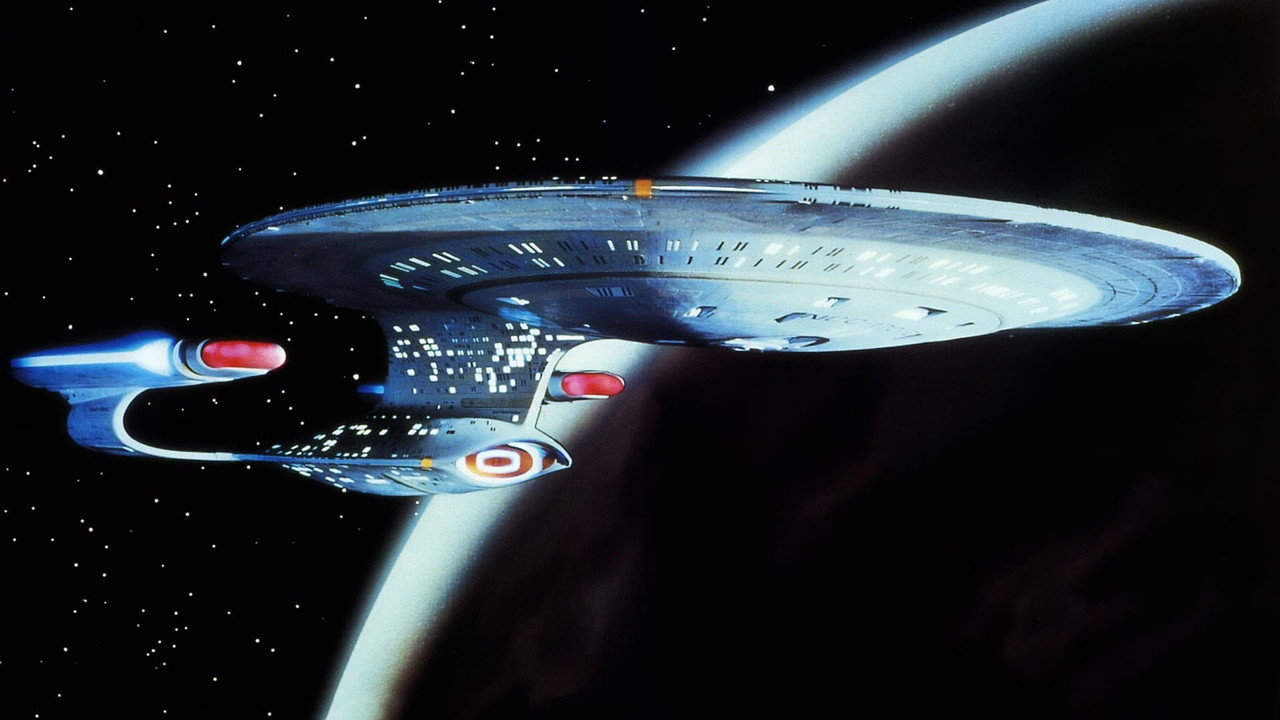
Follow Capt. Jean-Luc Picard and his loyal crew aboard the USS Enterprise NCC-1701D as they explore new worlds.
October 23, 2026
The Ending, Explained
When a series runs as long as this one, audiences naturally wonder how the story closes. Star Trek: The Next Generation arrived in 1987 with the promise of its tagline, "New stars. New stories. New worlds to explore." That spirit carries all the way to the final act. The show follows Capt. Jean-Luc Picard and his loyal crew aboard the all-new USS Enterprise NCC-1701D as they journey through the cosmos. With a certified rating of 8.384/10 across 1879 votes, the program clearly resonated. The show's final chapter, Star Trek: The Next Generation ending explained, is less about shutting doors and more about the endless road ahead. Rather than unraveling earlier mysteries, the conclusion reinforces the core mission of exploration. Viewers who stayed for the whole ride see Picard, played by Patrick Stewart, and companions like Jonathan Frakes, Brent Spiner, LeVar Burton, Michael Dorn, Marina Sirtis, and Gates McFadden embrace what comes next.
If you appreciate this brand of optimistic space opera, you might also enjoy Star Trek: Enterprise, a later entry that likewise charts fresh frontiers with a new vessel and crew.
What Happens
The closing movement of the saga keeps its focus on the intergalactic adventures that defined the run. Without revisiting the early setup, we can say the finale finds the Enterprise still hurtling toward uncharted regions. The crew's dedication to their calling remains unshaken. The finale, what happens at the end of Star Trek: The Next Generation, centers on the collective choice to continue outward into mystery rather than retreat. This is a moment where the spacecraft itself becomes a symbol of hope. Alien encounters and the vastness of space frame the last minutes, but the plot never lingers on shock twists. Instead, the narrative honors the bonds between the adventurers who have shared the bridge for years.
Throughout the final stretch, the themes of space travel and discovery are front and center. The imaginative tone of the show, often described as a space opera, lets the audience feel the weight of leaving familiar orbits. Jonathan Frakes and the rest of the cast ground the spectacle in human moments. The absence of a tidy wrap-up is deliberate; the universe is too large to contain in a single resolution.
Fans of ensemble casts aboard a spacecraft may also want to stream Star Trek: Deep Space Nine, which offers a different station-based perspective while still exploring alien cultures and federation ideals.
The Meaning Behind the Ending
Looking past the surface events, the last scene carries a quiet message. The last scene, Star Trek: The Next Generation ending meaning, underscores humanity's limitless curiosity and the value of forward motion. Picard's journey as an adventurer mirrors our own urge to explore. The android character, brought to life by Brent Spiner, reflects on what it means to grow alongside organic companions. By refusing to close the book, the story tells us that exploration is not a phase but a permanent condition. The tagline's call to seek new worlds becomes the literal posture of the finale.
This philosophical stance separates the show from simpler genre fare. It blends Sci-Fi & Fantasy with Drama and Mystery, allowing the ending to feel both earned and open. The loyal crew's unity suggests that the true discovery was always the connections forged among strangers from different planets.
For those who like high-stakes exploration away from Federation hubs, The Ark presents a similarly ambitious voyage across the stars with a fresh set of survivors and scientists.
Themes You Might Have Missed
Because the conclusion avoids a heavy exposition dump, some motifs slip by on first viewing. The presence of an android invites questions about consciousness and empathy. Spacecraft design and the mechanics of space travel are not just backdrop; they represent freedom from stagnation. Alien planets serve as mirrors for human choices. The conclusion, Star Trek: The Next Generation ending, invites us to reflect on the android's growing humanity and the crew's role as imaginative pioneers. Even the genre labels Action & Adventure, Mystery hint at a narrative that trusts the audience to keep wondering. The word "trek" itself evokes a long, purposeful walk into the unknown, and the final act embodies that dictionary definition.
Other subtle threads include the idea of the adventurer as diplomat. Picard and his team often solve problems through understanding rather than force, a theme that peaks when the ship faces its last frontier. The ratings and enduring fan base confirm that these gentle messages landed well.
Star Trek: The Next Generation: The Bottom Line
After years of interstellar storytelling, the series leaves a warm impression. Our guide, Star Trek: The Next Generation explained, shows why the series remains beloved by those who value character-driven science fiction. The combination of Patrick Stewart's commanding presence and a supporting cast including Jonathan Frakes, Brent Spiner, LeVar Burton, Michael Dorn, Marina Sirtis, and Gates McFadden created a benchmark for television ensembles. With a score of 8.384/10 from 1879 voters, the proof is in the numbers. The tagline "New stars. New stories. New worlds to explore." is not just marketing; it is the thesis of the finale. Whether you watch for the android, the aliens, or the sheer scale of space, the closing moments deliver a sense of continuation rather than closure.
Star Trek: The Next Generation Cheat Sheet
- Premiere year: 1987
- Tagline: New stars. New stories. New worlds to explore.
- Main cast: Patrick Stewart, Jonathan Frakes, Brent Spiner, LeVar Burton, Michael Dorn, Marina Sirtis, Gates McFadden
- Setting: USS Enterprise NCC-1701D
- Genres: Sci-Fi & Fantasy, Action & Adventure, Drama, Mystery
- Rating: 8.384/10 (1879 votes)
- Core themes: android, spacecraft, space travel, exploration, alien, alien planet, trek, space opera, adventurer, imaginative