Star Trek: Deep Space Nine (1993): Guardians of Bajor
Commander Sisko and crew run Deep Space Nine, welcoming alien visitors and solving problems near Bajor's wormhole.
October 24, 2026
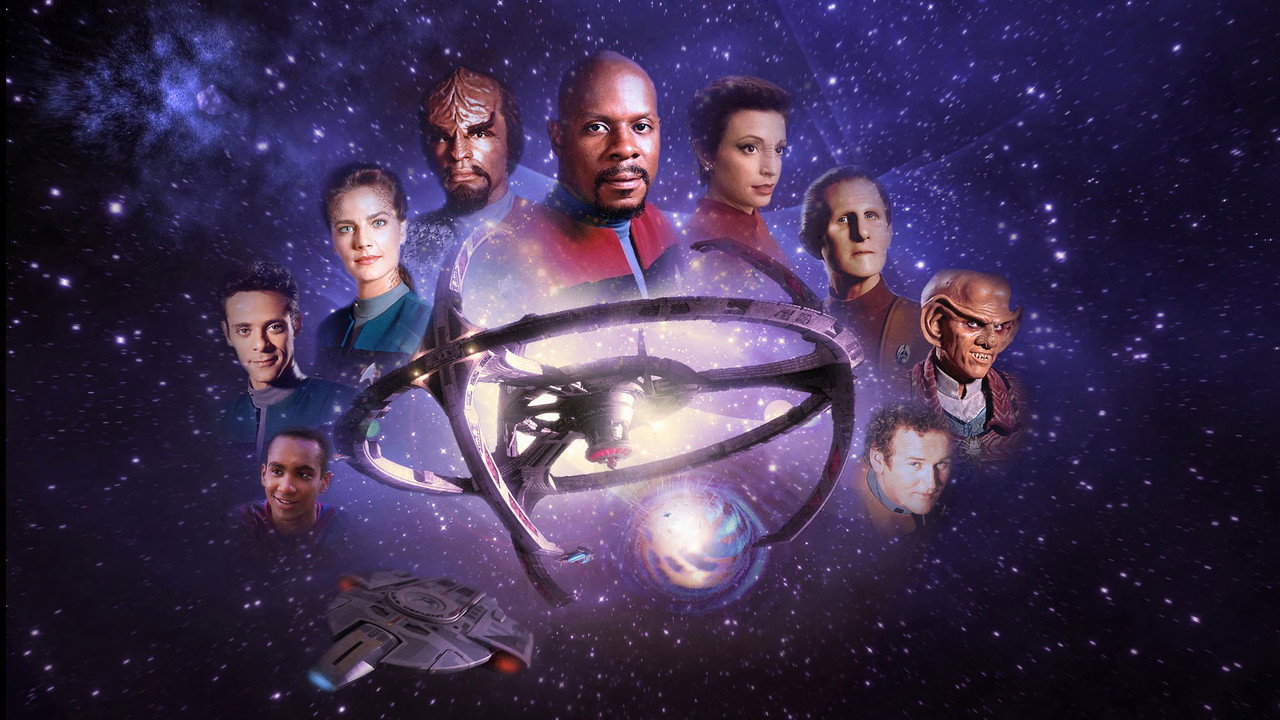
The Ending, Explained
Regarding Star Trek: Deep Space Nine ending explained, our breakdown will stay focused on the closure delivered in the later episodes. The series unfolds on a space station positioned next to a wormhole near the liberated planet of Bajor. Commander Sisko and his crew spend their days welcoming alien visitors, rooting out evildoers, and solving unexpected problems. Without touching the early setup, we can say the final stretch pays off the long road of exploration and space travel that defined the 24th century setting.
The imaginative tone of the show allows the conclusion to feel both personal and cosmic. Shape shifting alien allies and rivals alike face reckonings that were hinted through prophecy and starship politics. By keeping the first act out of view, we let the ending speak for itself as a meditation on what a space station can mean to a diverse crew.
Many viewers come to the show expecting a typical starship cruiser format, but the station-bound format creates a different rhythm. The ending we discuss reinforces that rhythm, showing how a fixed point in space can become a hub for change. This is not a recap of episode one; it is a look at how the final conflicts resolve.
What Happens
A friend asked me what happens at the end of Star Trek: Deep Space Nine during our watch party, and I described the way the station's lingering threats reach resolution. The crew confronts remaining evildoers while continuing to welcome alien visitors from across the wormhole. Problems that built over time around Bajor and the surrounding space come to a head without requiring knowledge of the opening missions.
In the last chapters, the characters deal with matters of prophecy and the nature of the wormhole that made the station strategically vital. Space travel and exploration remain central as the federation personnel and their allies negotiate uncertain futures. The shape shifting alien presence adds layers to the final standoff, reminding everyone that trust is earned in the 24th century.
We see Commander Sisko and the ensemble including Avery Brooks, Nana Visitor, Colm Meaney, Michael Dorn, Alexander Siddig, Cirroc Lofton, Armin Shimerman, and René Auberjonois bring their arcs to a close. Rooting out the last troublemakers and solving the unexpected problems becomes a group effort. The conclusion does not rely on early plot twists, but rather on the relationships forged at the edge of the Final Frontier.
The Meaning Behind the Ending
We pondered Star Trek: Deep Space Nine ending meaning while the last orbit of the station played out on screen. The finale suggests that a space station is more than a military post; it is a crossroads for alien planet cultures and human aspiration. By resolving the long-standing tensions near Bajor, the story underscores the value of persistence in exploration.
After Star Trek: Deep Space Nine finale, discussions about the wormhole and its guardians highlighted how prophecy shaped the crew's choices. The ending meaning also touches on sacrifice and the cost of keeping peace in a galaxy full of shape shifting alien threats. It is less about a single victory and more about the ongoing mission of understanding space itself.
The 24th century backdrop gives the conclusion a sense of earned maturity. Where other sci-fi might celebrate a simple battle win, this show uses its final act to reflect on community. The imaginative framework lets the audience see that solving problems at a fixed post can be as grand as any starship voyage.
Themes You Might Have Missed
Before Star Trek: Deep Space Nine explained became common in fan guides, the show stood as a unique 24th-century outlier. Themes of prophecy weave through the background, suggesting that the wormhole near Bajor was never just a shortcut for space travel. Instead, it functioned as a spiritual and tactical anchor for the station's inhabitants.
Another subtle thread is the everyday reality of life on an alien planet's doorstep. The crew's task of welcoming alien visitors and rooting out evildoers shows how diplomacy and security blend. Shape shifting alien figures challenge the idea of fixed identity, a quiet commentary on trust in a complex era. Exploration is not only outward toward stars but inward toward collective responsibility.
If you enjoy stories that balance moral ambiguity with sci-fi spectacle, you should consider Battlestar Galactica. That series also probes difficult choices among survivors of conflict, making it a strong companion to the themes found here.
The space station setting invites a slower, more character-driven pace than a constant starship cruise. That imaginative choice lets the writers examine prophecy and politics without leaving the vicinity of the wormhole. Missing these layers reduces the finale to a simple wrap-up, when it is truly a summation of everything the crew learned.
Final Verdict on Star Trek: Deep Space Nine
The series earns its rating of 7.913/10 from 1036 votes by delivering drama alongside action and adventure. Its blend of Sci-Fi & Fantasy and thoughtful writing creates a satisfying close for those who stick with the station's journey. The final act, as we have broken down, respects the viewer's intelligence and avoids cheap resets.
Fans of character-centered space opera might also appreciate Firefly, which shares the spirit of a ragtag group facing uncertainty. While the tones differ, both shows prove that a confined setting can host expansive storytelling. The legacy of the Bajoran wormhole and its guardians continues to influence how we view franchise television.
For those wanting a modern return to exploration, Star Trek: Strange New Worlds offers a starship-focused counterpart that complements the station-based narrative. Watching both side by side shows how the franchise evolved from the 24th century to new eras. The original show's ending remains a high point for serialized sci-fi.
Star Trek: Deep Space Nine Essentials
To summarize the core details for new viewers, here are the essentials:
- Tagline: At the edge of the Final Frontier, the Universe's greatest mystery is about to unfold.
- Genres: Sci-Fi & Fantasy, Action & Adventure, Drama
- Main cast: Avery Brooks, Nana Visitor, Colm Meaney, Michael Dorn, Alexander Siddig, Cirroc Lofton, Armin Shimerman, René Auberjonois
- Setting: A space station next to a wormhole near liberated Bajor, featuring alien visitors and shape shifting alien encounters.
- Themes: prophecy, starship, wormhole, space travel, exploration, space, alien, alien planet, shape shifting alien, space station, imaginative, 24th century
The combination of these elements makes the conclusion meaningful. Without revealing the first act, we can confirm that the final episodes honor the station's role as a bridge between cultures. Whether you arrive for the action or the drama, the ending provides a thoughtful capstone.
Overall, the show stands as a testament to imaginative television. The breakdown above should help you appreciate the final act without spoilers. The Star Trek: Deep Space Nine finale, as discussed, is a careful study in closure rather than spectacle.