SpongeBob SquarePants (1999): Why There's No Real Finale
SpongeBob SquarePants has no true finale. Here's why the show's reset formula keeps Bikini Bottom running forever.
November 16, 2026
The Ending, Explained
There is a persistent rumor that a show like this carries some hidden finale, and so people search for a SpongeBob SquarePants ending explained breakdown expecting a puzzle to solve. The honest answer is that the series never builds toward a single closing chapter, because it runs on the sitcom logic of the everyday. What looks like an ending is really a reset. Each story resolves, the town goes back to normal, and the characters wake up ready for another shift. That circular rhythm is the point, and it is also why the show has stayed watchable for decades.
So when someone asks what happens at the end of SpongeBob SquarePants, the most accurate reply is that the show hands its characters back to us unchanged but not untouched. The final beats of most episodes restore the Krusty Krab, the pineapple, and the neighborhood, yet the friendships have usually survived a small test in the process.
What Happens
The setup is simple enough to describe without wrecking the opening act. Deep in the Pacific Ocean sits Bikini Bottom, a subterranean city where a square yellow sponge lives in a pineapple with his pet snail, Gary. He works as a fry cook at the Krusty Krab, a job he adores more than anyone reasonably should, and he has a gift for tumbling into trouble without ever trying.
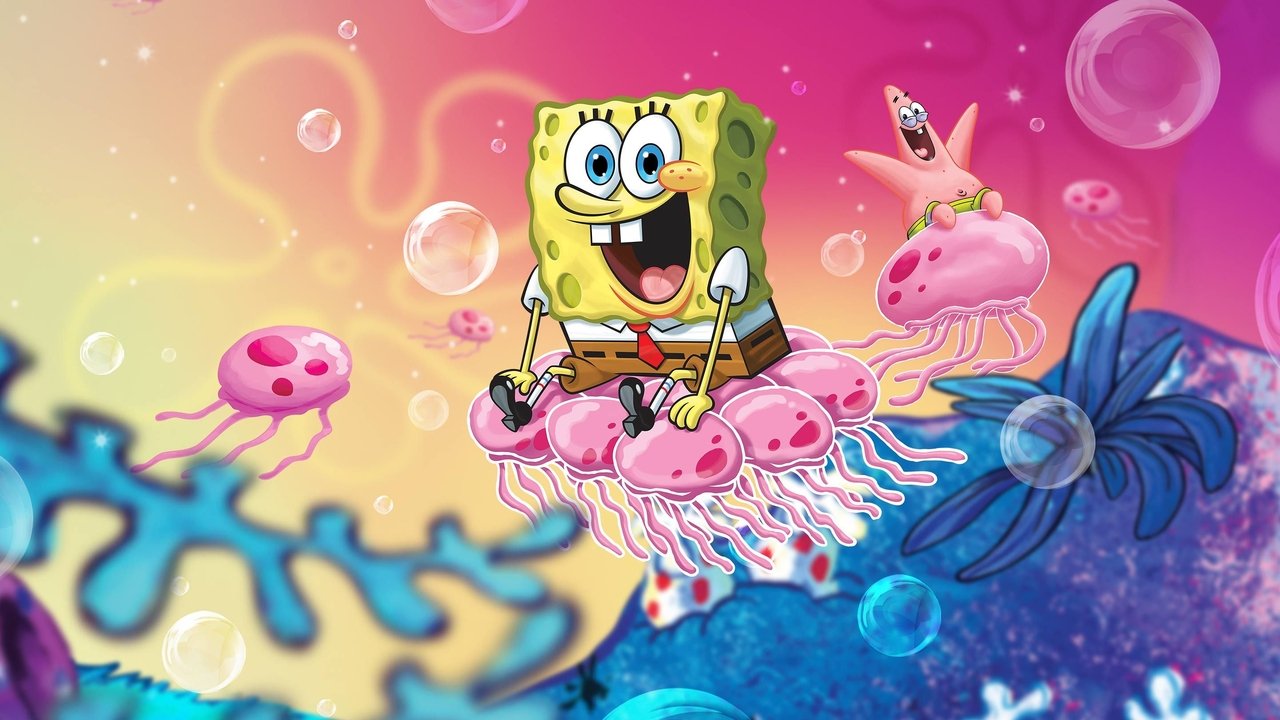
Around him orbit three very different companions. There is Squidward, the cranky next-door neighbor who treats every cheerful greeting as a personal insult. There is Patrick, the lovable starfish whose logic runs on a frequency all its own. And there is Sandy Cheeks, the thrill-seeking squirrel who brings surface-world science and a helmet of air down into the water. Between them, the episodes find endless small conflicts: a shift at the restaurant, a jellyfishing trip, a boating lesson gone sideways, an attempt to impress a neighbor who cannot be impressed.
If you want the broad SpongeBob SquarePants plot summary, it is this: a relentlessly optimistic worker tries to do good in a town that mostly tolerates him, and the town quietly learns to value him. The "ending" of any given story is usually just the moment the chaos settles and the ordinary resumes.
The Meaning Behind the Ending
That return to normal is where the SpongeBob SquarePants ending meaning really lives. The show rejects the idea that a character has to be permanently transformed by an adventure. SpongeBob finishes most stories exactly where he started, still cheerful, still employed, still living in that pineapple. The absence of change is not a failure of storytelling. It is a statement about what makes a life worth living.
Consider what the finale beats usually protect. The job stays. The friendships stay. The routine stays. In a medium crowded with heroes who must grow up or move on, this sponge insists that satisfaction can be found in a fry cook's station and a Tuesday afternoon. The ending reassures rather than resolves.
That is also why the show keeps its stakes low. A bad shift at the restaurant or a feud with Squidward matters because it threatens the small world the character loves, not because the ocean is in danger. The tension is domestic, and the resolution is domestic too.
Fans who enjoy that gentle, character-first rhythm often find a similar pleasure in Horrid Henry, which also turns everyday mischief into its own kind of comic engine.
Themes You Might Have Missed
Beneath the slapstick, the show quietly builds a whole ecosystem of recurring ideas. Here are the ones that surface again and again.
- Work as identity. Being a fry cook is not a punchline for SpongeBob. It is who he is, and the show treats that devotion with real affection.
- Friendship across difference. A sponge, a starfish, a squirrel, and a squid share a neighborhood and somehow make it work, even when they drive each other mad.
- Optimism as resilience. The character's good mood is not naivety. It is a choice he keeps making in the face of a grumpy world.
- Underwater world-building. Tiki culture, jellyfishing, boating lessons, and sea-creature gags turn the ocean floor into a fully lived-in place.
- The comedy of frustration. Squidward's irritation is the counterweight that makes the cheerfulness land.
The craft behind those themes is easy to overlook. The voice cast, including Tom Kenny, Bill Fagerbakke, Rodger Bumpass, Clancy Brown, and Carolyn Lawrence, gives each character a distinct comic rhythm, and that consistency is a big reason the show's world feels so sturdy.
If the underwater ensemble appeals to you, Free Willy offers another family-friendly story built around sea creatures and the people who care for them.
Our Take on SpongeBob SquarePants
Our view is that this is a rare piece of animation that works on two levels without straining. Kids respond to the bright chaos and the physical comedy. Adults notice the timing, the deadpan delivery, and the surprisingly sharp observations about jobs, neighbors, and the small indignities of daily life. The rating of 7.722 out of 10 from thousands of viewers reflects that broad appeal rather than a niche following.
The tagline, "Be there and be square," is a joke about the hero's shape, but it also captures the show's philosophy. There is no shame in being ordinary. There is no shame in loving a simple job. The series never asks its audience to aspire to greatness, only to show up and be kind.
That is why the finale question keeps coming up. People sense that the show is about something, and they go looking for a hidden message in its last moments. The message is not hidden at all. It is in every episode's ending, where the pineapple stays lit and the fry cook shows up for his next shift.
Readers chasing that same likable, kid-friendly energy might also enjoy The Mighty B!, which shares the bright palette and the relentless, upbeat protagonist.
SpongeBob SquarePants Highlights
For anyone arriving fresh, here are the elements worth watching for from the very first episode.
- The voice work. Tom Kenny's buoyant delivery defines the character, and the supporting cast matches him beat for beat.
- Bikini Bottom itself. The pineapple home, the tiki decor, and the underwater skyline make the setting instantly recognizable.
- The Krusty Krab dynamic. A fast food restaurant staffed by an obsessive fry cook and a manager who counts every penny is a perfect comic machine.
- Patrick and Sandy. The best friend and the surfer-squirrel scientist give the hero two very different sounding boards.
- The jellyfishing trips. These small outdoor adventures show how much the show can do with a simple premise.
- Squidward's slow burn. The neighbor's exasperation is the engine behind many of the funniest scenes.
None of these require a finale to pay off. They are the reasons the show keeps finding new viewers, and they explain why a SpongeBob SquarePants explained piece keeps getting written. There is no twist waiting at the end of the tunnel. There is just a square sponge, a pineapple, and a friend next door, and that turns out to be more than enough.