SOKO München (1978): How the Squad Solves Each Case
SOKO München (1978) is a German police procedural where each investigation ends with the commission presenting its findings.
October 27, 2026
The Ending, Explained
When people sit down to watch a long-running crime series, they often look for closure rather than a single twist. The German production SOKO München 1978 is a procedural that began airing on 2 January 1978, and its format reflects the steady work of a police special unit. For those searching for SOKO München ending explained, the answer lies in the show's episodic nature: each investigation concludes with the commission presenting its findings. We never see a sprawling first-act mystery that hides the truth; instead, the final act belongs to the detectives who piece together evidence.
SOKO is the abbreviation of Sonderkommission, which translates to special commission in English. That single detail shapes every closing moment. The series follows a team that includes Gerd Silberbauer, Joscha Kiefer, Mersiha Husagić, and Christofer von Beau. Because the program is a police procedural, the ending is less about a character's personal ruin and more about the methodical resolution of a case. This approach makes SOKO München explained in simple terms: it is a showcase of patient police work rather than a serialized puzzle.
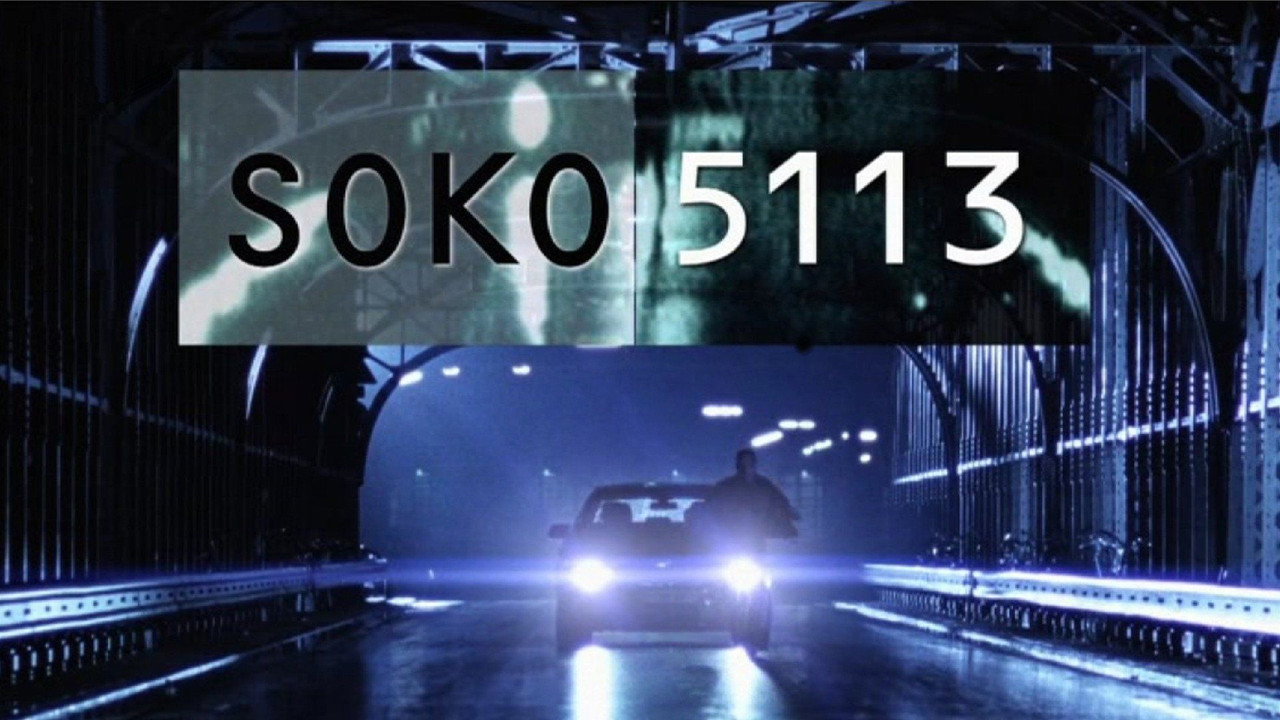
The program is occasionally identified by the longer tag SOKO 5113, which points to the same special commission concept. Because the narrative does not rely on a hidden first act, the viewer can join any broadcast without prior context. The detectives' method is the draw, not a creeping suspense that builds toward a late reveal.
What Happens
Viewers sometimes ask what happens at the end of SOKO München. In a typical installment, the special commission gathers the last pieces of proof and confronts the suspect. The narrative avoids spoiling the early investigation by keeping the focus on procedure, so the closing minutes are about confirmation rather than revelation. The cast members portray officers who rely on interviews, forensic steps, and cross-checking alibis. While the show has a modest rating of 5.9 out of 10 from seven votes, its structure remains consistent across its run.
The absence of a single serialized finale means that each broadcast stands alone. If you enjoy classic detective formats, you might also appreciate A Nero Wolfe Mystery, which similarly centers on a contained investigative circle. Both programs value the slow unraveling of facts over shock twists.
The performers Gerd Silberbauer, Joscha Kiefer, Mersiha Husagić, and Christofer von Beau form the core face of the unit. Their collective presence supports the idea that policing is a team task. Even without a serialized cliffhanger, the closing statements in each file carry a quiet weight.
The Meaning Behind the Ending
Understanding the SOKO München ending meaning requires a shift in expectation. In many modern thrillers, the conclusion hides a moral ambiguity. Here, the meaning is found in civic order. The special commission exists to restore balance after a crime, and the final scene often shows the team preparing the next file. That cyclical closure is the point. The show first aired in 1978, yet its message about institutional diligence still reads clearly.
Fans of gritty television cop stories may want to explore Baretta, a 1975 series that also presents a lone detective's perspective on urban cases. While the settings differ, the satisfaction of a resolved case connects them.
A modest score of 5.9 from seven votes places the show outside mainstream hits, but the ending meaning does not depend on popularity. The repeated image of a closed case folder suggests that justice is a routine public service rather than a dramatic spectacle.
Themes You Might Have Missed
Because the series is a procedural, some deeper threads escape casual viewing. The theme of collective expertise runs through every episode. Rather than a single hero, the unit's combined effort solves the crime. Another subtle idea is the neutrality of the German legal process, where the commission acts without spectacle. The presence of actors like Mersiha Husagić and Christofer von Beau highlights a modern team dynamic within a traditional framework.
Procedural dramas often echo each other. If you liked the ensemble feel, Police Story from 1973 offers anthology-style cases with a similar respect for police method. Linking these shows helps viewers see the broader lineage of the genre.
Is SOKO München Worth Your Time?
With a rating of 5.9 from a small pool of seven votes, the show does not claim blockbuster status. However, for fans of European crime television, it provides a clear window into late-1970s policing. The abbreviated title SOKO hides the full German term, but the content is straightforward. If you prefer slow, evidence-led storytelling over rapid plot twists, this series will fit your evening.
Modern audiences accustomed to serialized binge watches may find the format unfamiliar. Yet the steady rhythm of a police unit doing its job offers a different kind of comfort. The show's value is in its consistency, not in shock value.
SOKO München Quick Facts
The original SOKO München 1978 broadcast premiered on 2 January that year, establishing a template for future German police shows. Its genre is crime, and the main cast features Gerd Silberbauer, Joscha Kiefer, Mersiha Husagić, and Christofer von Beau. SOKO stands for Sonderkommission, meaning special commission, which defines the unit's role. The show's procedural format means there is no overarching finale, only the repeated satisfaction of a closed case.
Whether you approach the program for its historical value or its steady rhythm, the ending of each case reinforces the value of patient investigation. The combination of a modest rating and a dedicated format makes it a curiosity worth sampling on a streaming night.
- First air date: 2 January 1978
- Genre: Crime
- SOKO means Sonderkommission (special commission)
- Main cast: Gerd Silberbauer, Joscha Kiefer, Mersiha Husagić, Christofer von Beau
- Rating: 5.9/10 based on 7 votes
These points summarize the available data without spoiling any specific storyline. The series remains a reference point for procedural television from the late twentieth century.