Sherlock (2010): A Modern Sleuth in 21st Century London
A modern update of Sherlock sees the famous sleuth and his doctor partner solving crime in 21st century London.
November 1, 2026
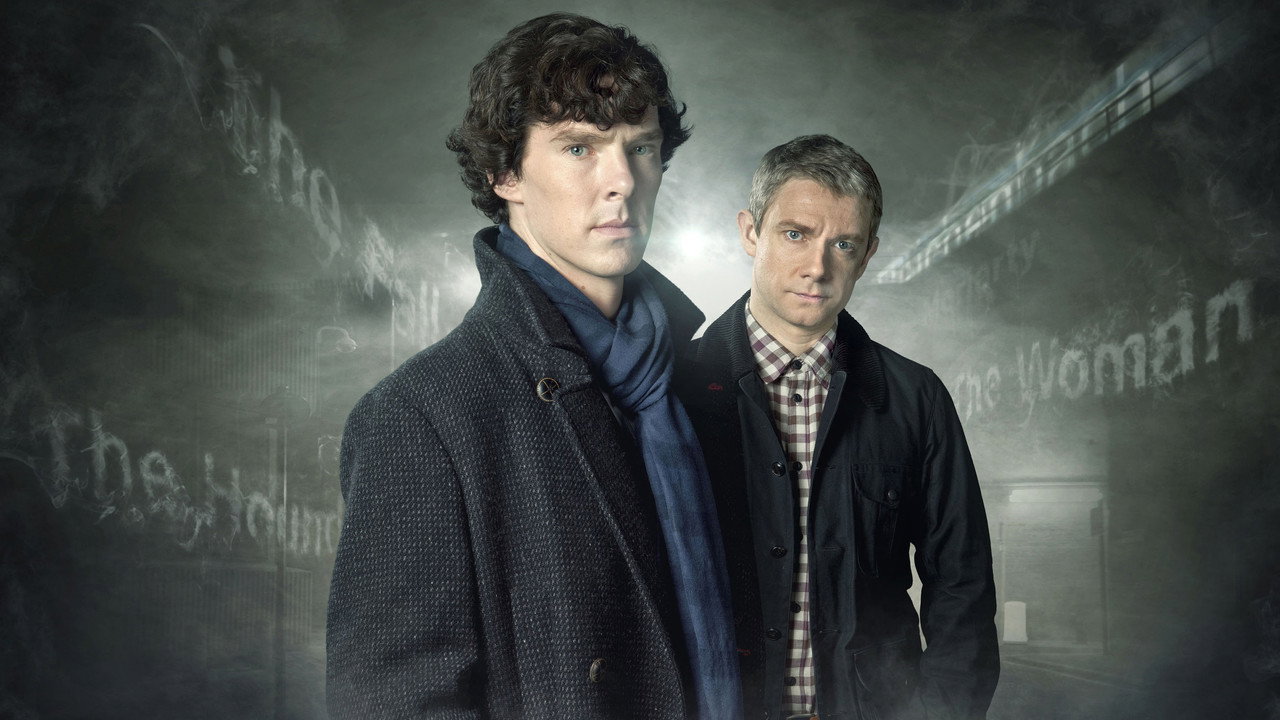
The Ending, Explained
For many viewers, the series finale, Sherlock ending explained, becomes a meditation on the bond between a brilliant investigator and his loyal companion. This modern update of a classic format resists the urge to shock with a late twist. Instead, the final act of the crime drama quietly confirms what the earlier cases only hinted at. A workaholic genius played by Benedict Cumberbatch learns that his friendship with Martin Freeman's doctor is the true compass in a chaotic London. The show, tagged as a new sleuth for the 21st century, uses its closing moments to celebrate partnership over solitary brilliance. Without revisiting the first investigation, we can say the conclusion pays off the theme of friendship that runs through every murder and whodunit. The police may handle procedure, but the private detective and his friend handle the human truth behind the crime.
Throughout the runtime, the series balances mystery with drama by letting small gestures carry weight. The ending does not abandon the detective formula; it reframes it. A genius mind remains essential, yet the presence of a grounded medical partner keeps the stories from sliding into cold abstraction. That is why the last sequence feels earned rather than imposed. The audience has watched the duo navigate England's capital, solve impossible puzzles, and face the strain of constant investigation. By the close, the meaning is clear: even the sharpest intellect needs a friend to make sense of the world.
What Happens
The final episode, what happens at the end of Sherlock, underscores the doctor's importance to the detective's survival. We see the pair still operating in 21st century London, where murder and mystery intersect with everyday technology. The private detective continues to rely on sharp observation, while the former army doctor provides moral context. Their interaction with the police remains tense but productive, illustrating the gap between institutional process and independent insight. No new case resets the dynamic; rather, the existing threads of loyalty and trust are pulled tight. The conclusion leaves them ready for further investigation, but forever changed by what they have shared.
Viewers who appreciate tense British crime atmospheres should also explore Slow Horses, a series that likewise thrives on weary operatives and moral ambiguity.
Beyond the plot mechanics, the show's final act demonstrates how a modern retelling can honor a source based on novel or book while speaking to contemporary viewers. The detective archetype is intact, yet the setting of London, England, gives familiar beats a fresh pulse. The friendship at the center becomes the lens through which every clue is interpreted. That is the quiet event of the ending: not a bombast of revelation, but a settling of purpose.
The Meaning Behind the Ending
The takeaway, Sherlock ending meaning, is about human connection amid professional obsession. A workaholic sleuth who once treated emotion as noise now recognizes its signal. The doctor character, embodiment of empathy and practical courage, receives full acknowledgement. Their partnership mirrors the classic detective and assistant dynamic, but updates it with egalitarian warmth. In a city saturated with crime, the ability to trust another person becomes the ultimate solution. The finale suggests that the whodunit is secondary to the question of who stands beside you when the case ends.
Fans of clever young sleuths might enjoy A Good Girl's Guide to Murder, which also reimagines classic mystery tropes for a new generation.
Another layer of significance lies in the show's rating of 8.504/10 from thousands of votes, reflecting how its ending satisfied a broad audience. The combination of Benedict Cumberbatch and Martin Freeman turned archetypes into intimates. By closing on a note of mutual reliance, the series validates the theme that genius is not isolation but shared light. The murder puzzles fade; the friendship remains.
Themes You Might Have Missed
The modern update, Sherlock explained, is a character study disguised as a procedural. Beneath the investigation lies a portrait of isolation and the cure of companionship. The label of crime, drama, mystery only sketches the surface. Repeated viewings reveal how often the camera lingers on small domestic moments between the detective and his doctor. The police represent society's official watch, while the private detective represents the personal watch. London itself acts as a character, its streets and skies echoing the mood of each revelation. The theme of based on novel or book is not just pedigree; it is a dialogue between Victorian certainty and modern ambiguity.
- London and England as living backdrops for genius and friendship
- Workaholic detection balanced by a doctor's humanity
- Police procedure versus private investigation
- Murder and whodunit as vehicles for emotional truth
- The enduring power of a detective duo in contemporary times
For a gritty procedural contrast, consider No Offence, a show that places a sharp female-led police team at the center of Manchester crime.
The subtlety extends to the tagline: a new sleuth for the 21st century. That line is not marketing fluff; it is the thesis of the entire run. By the ending, we see a sleuth who texts, thinks in data, yet still needs a friend to interpret the heart. Themes of investigation and friendship weave so tightly that separating them would unravel the story.
Sherlock: The Bottom Line
The production, Sherlock 2010, earned high marks by delivering smart, affectionate television. With a rating of 8.504/10 across 6806 votes, it stands as a benchmark for modern mystery adaptation. Benedict Cumberbatch's detective and Martin Freeman's doctor create a rhythm that anchors every twist. The finale's restraint proves that a show can be confident without fireworks. If you stream it today, you will find a crime drama that respects intellect and emotion equally.
What makes the series endure is its refusal to discard the human core. The final act does not merely close cases; it opens a space for the characters to simply be together. That choice echoes the tagline and the genre's best traditions. For viewers new to the blog, this is a recommended watch that pairs well with other British crime stories.
Sherlock Key Details
To summarize the essentials: the show blends crime, drama, and mystery; its tagline promises a new sleuth for the 21st century; the plot drops a famous detective and his medical partner into present-day London; themes include detective work, friendship, police, genius, murder, whodunit, and doctor-private detective collaboration. The lead performances by Benedict Cumberbatch and Martin Freeman define the tone. The rating of 8.504/10 from 6806 voters signals wide acclaim.
- Title: Sherlock (2010)
- Genres: Crime, Drama, Mystery
- Tagline: A new sleuth for the 21st century.
- Cast: Benedict Cumberbatch, Martin Freeman
- Core themes: London, friendship, investigation, genius, murder, whodunit
Whether you arrived for the puzzle or stayed for the partnership, the ending offers a satisfying mirror to the opening promise. The modern sleuth and his doctor remain iconic, proving that some stories transcend their century.