Sesame Street (1969): How Muppets Teach Through Play
Sesame Street (1969) uses muppets, songs, and games to teach kids basic educational and social concepts.
October 18, 2026
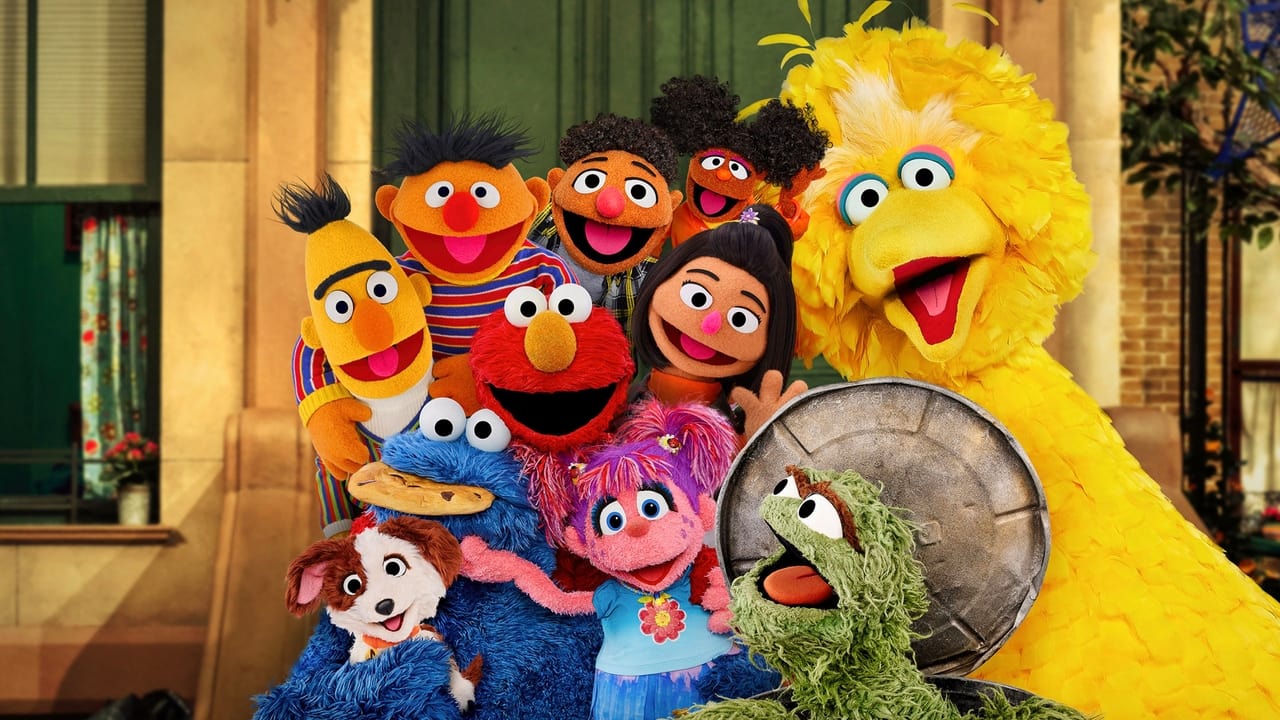
The Ending, Explained
For a show that has run since 1969, it can feel strange to talk about a conclusion at all. Yet when people search for Blue's Clues & You! or similar preschool programs, they often want the same thing: a clear look at how a long-running story closes. When we look at Sesame Street through that lens, the Sesame Street ending explained question is less about a single final scene and more about how the street says goodbye to its lessons.
The series was built as edutainment from the start. Human and muppet neighbors share one inner-city block, and through songs, cartoons, and games they teach young viewers basic skills and kindness. Because the show is ongoing rather than a movie with one climax, the ending is better understood as a pattern: each episode resolves with learning and connection rather than a twist.
What Happens
The daily structure stays gentle. A problem or question appears, the characters explore it with humor, and a muppet or human friend helps a child viewer understand. By the close, the street returns to calm. If you are wondering what happens at the end of Sesame Street, the answer is that the neighbors reaffirm what they practiced all along: share, listen, and keep trying.
Over the years the cast included Sonia Manzano, Roscoe Orman, Martin P. Robinson, Suki Lopez, Violet Tinnirello, Jennifer Barnhart, Ryan Dillon, and Alan Muraoka. Their roles kept the street feeling like a real place. The final feeling of any chapter is not a shutdown but a continuation of community.
You can see a related approach in Brandy & Mr. Whiskers, where odd friends learn social lessons through comedy. Sesame Street does the same with puppets and people side by side.
The Meaning Behind the Ending
The Sesame Street ending meaning is tied to its tagline, "Kindness is in the air." The conclusion of any era on the street suggests that education is not a test to pass but a way to live with others. When the muppets and humans wave goodnight, the message is that preschoolers can carry curiosity and care into the world.
This is why Sesame Street explained is not about plot secrets. The show is educational by design, so its ending means the method worked: a child learned a concept and a social rule at the same time. The puppet format makes hard ideas safe, and the ending confirms that safety.
Themes You Might Have Missed
Beneath the bright songs, a few quiet themes stand out. One is that an inner-city street can be a classroom. Another is that muppets and people are equal teachers. The edutainment model blends comedy with learning so smoothly that viewers may not notice how much social training happens in a single gag.
The use of puppets is also a theme. A puppet can model mistakes without shame. When a muppet struggles with a letter or a feeling, a preschooler sees that confusion is normal. That small idea may be the most missed lesson of all.
Families who enjoy this style might also like Princess Power, which mixes friendly storytelling with gentle messages for young audiences.
What We Think of Sesame Street
With a 7.1 rating from 296 votes, Sesame Street holds a steady place in kids and comedy history. We think its strength is consistency. The show never needed a dark turn to stay meaningful. It kept its promise to teach through play, and that promise is why it remains reference points for parents.
The cast helped ground the fantasy. Real humans alongside muppets made the street believable. Even without a traditional final episode, the show leaves a clear impression: learning is a neighborhood activity.
Sesame Street Need to Know
If you are new to the series, remember a few basics. It began in 1969, sits in kids and comedy genres, and uses puppets as core educators. The plot summary is simple: on a special inner city street, the inhabitants teach preschoolers basic educational and social concepts using comedy, cartoons, games, and songs.
For those tracing the close of the show, the Sesame Street final episode meaning is best read as a summary of everything before it. No single moment overturns the premise. Instead, the ending honors the daily work of being kind and curious. That is the part worth carrying forward.
The show's longevity comes from respect for its audience. It assumes a preschooler can learn from a song and a puppet alike. Whether you watch one episode or many, the ending always points back to the beginning: a street where everyone belongs.
Because the format is open-ended, any "ending" is really a pause. The lessons about letters, numbers, and friendship do not expire. That is why the breakdown feels less like a spoiler and more like a reminder of what the street was built to do.
In the end, Sesame Street shows that education and entertainment are not rivals. They are neighbors, living on the same block, waving to each other every morning. That image is the true close, and it is one worth explaining to any new viewer.