Sense and Sensibility (2026): Witty and Charming Sisterhood
Sense and Sensibility (2026) is a charming, witty, and relatable story of love and sisterhood.
October 21, 2026
The Ending, Explained
Georgia Oakley's Sense and Sensibility 2026 closes its 132 minute runtime with a quiet but resonant finale that honors the bond between sisters. The Sense and Sensibility ending explained in plain terms is that the emotional journeys of Elinor and Marianne come to rest not on grand spectacle but on personal understanding and mutual support. While we deliberately avoid detailing the early upheavals that set the story in motion, it is fair to say the final act pays off the careful character work built by Daisy Edgar-Jones and Esmé Creed-Miles. The camera lingers on small gestures rather than dramatic declarations, allowing the audience to feel the relief of two women who have navigated a restrictive world.
Viewers who enjoy period adaptations that center on family dynamics might also appreciate Howards End, a film that similarly examines class and connection in England without resorting to melodrama.
Georgia Oakley, taking the helm for this adaptation, brings a relaxed tempo that lets the 132 minute length feel intimate rather than lengthy.
What Happens
The last sequences shift focus to the resolutions of the heart. What happens at the end of Sense and Sensibility involves the sisters facing their romantic prospects with new clarity, and the youngest sibling Maggie, played by Bodhi Rae Breathnach, offers a wry observational grace note that lightens the mood. Caitríona Balfe and Fiona Shaw provide warmth as the older figures of propriety, while George MacKay and Herbert Nordrum circle the edges of the courtship rituals that define this 18th century setting. The narrative never forces a tidy bow; instead, it suggests that love and security can be found through honest communication rather than social expectation.
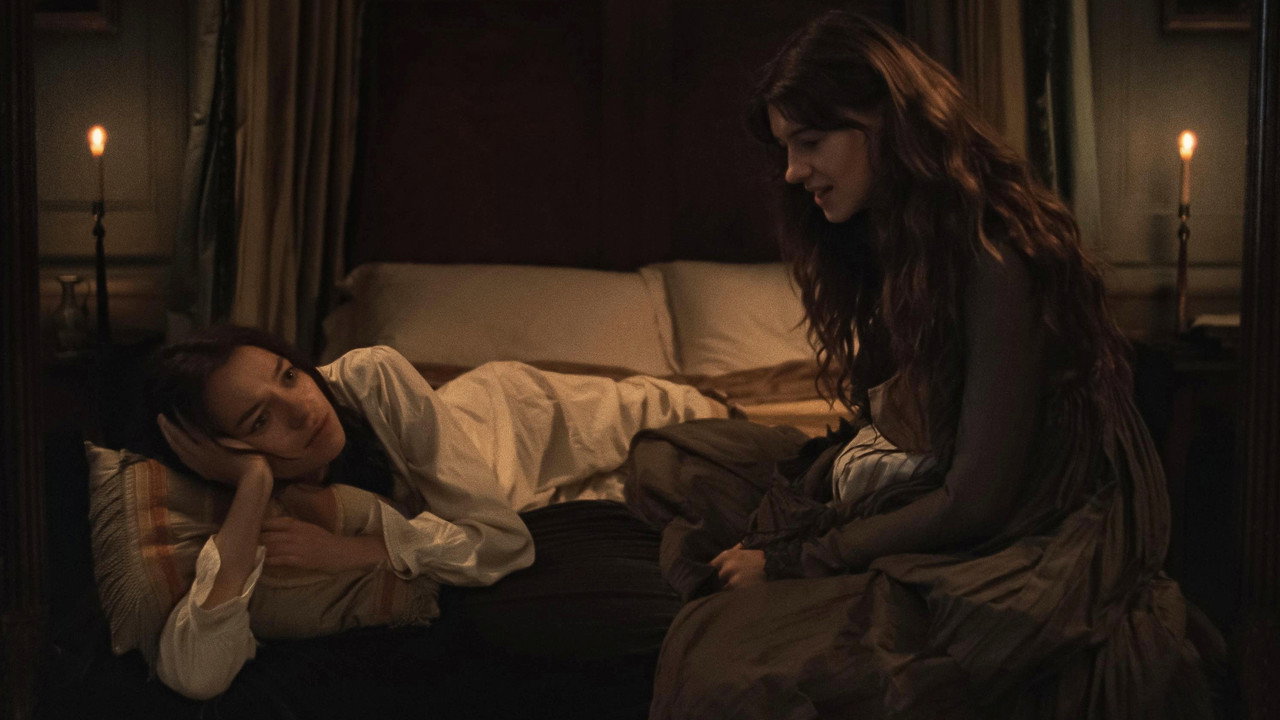
The visual storytelling in these scenes keeps the sumptuous yet darker tone mentioned by early viewers, with candlelit interiors and muddy exteriors reminding us that even the wealthy were never far from hardship. This grounding makes the closing moments feel earned rather than staged.
Maggie's perspective, delivered by Bodhi Rae Breathnach, serves as a lens that keeps the adult romances from becoming too self-serious, a choice that aligns with the film's witty tagline.
The Meaning Behind the Ending
Beyond the specific pairings, the Sense and Sensibility ending meaning speaks to the quiet feminism of the piece. Oakley's direction suggests that a woman's worth in this class society need not be defined by marriage alone, even as the social norms of the era press hard against independence. The tagline "No one knows your heart like a sister" lands fully in these moments, as the sibling relationship outlasts the turbulence of searching for love.
For a contrasting take on historical passion, Wuthering Heights presents a far stormier vision of English romance and gender roles, useful as a companion watch for those mapping the genre.
The resolution also comments on class society, showing that inheritance and property laws loom as silent forces, yet the sisters' bond proves more durable than any estate.
Themes You Might Have Missed
A casual viewer might absorb the witty courtship and miss the lighter social commentary threaded throughout. Sense and Sensibility explained through its themes reveals a careful look at gender roles and class society without lecturing. The adaptation, based on the novel, uses England's 18th century backdrop to mirror modern questions of autonomy and the pressure of social norms. Bodhi Rae Breathnach's Maggie subtly highlights how those norms constrain even the observers, while Esmé Creed-Miles captures the spontaneous sensibility to offset Daisy Edgar-Jones's measured sense.
Frank Dillane and Herbert Nordrum embody the contrasting masculine archetypes of the era, one charming yet unreliable, the other reticent but steady. Their presence underscores the film's interest in courtship as a negotiation rather than a fairytale. Themes of feminism and sisterhood weave into every conversation, making the apparently light story a pointed reflection on a society that limited women's choices.
Viewers familiar with the source novel will notice how the 18th century setting is used to probe gender roles without turning the characters into mere symbols. The courtship rituals are portrayed as both playful and suffocating.
Our Take on Sense and Sensibility
This refreshing version earns its 7.3/10 rating from early voters by balancing humor with a darker authenticity. The film avoids heavy-handed preaching about subordinated women, instead letting the sisterhood shine through performance and pacing. Fiona Shaw steals scenes much as earlier adaptations allowed, but here the ladies carry the story with minimal damsel tropes, presenting characters who actively shape their futures. The runtime of 132 minutes allows the relationships to breathe, and the result is a relaxed yet engaging take on a familiar book.
If you want a different kind of emotional period piece, Awakenings offers a moving drama outside the romance genre yet with equal precision in its human observations.
The 7.3/10 score from forty-two voters suggests a positive early reception, and the film's blend of sumptuous design with earthy realism likely contributes to that warmth.
Sense and Sensibility in Short
In just over two hours, Sense and Sensibility 2026 delivers a charming, witty, and deeply relatable story of love and sisterhood. Themes of feminism, courtship, and social commentary weave together under Georgia Oakley's hand. With a cast including Caitríona Balfe, George MacKay, and Fiona Shaw, the film stands as a worthy new entry for streaming audiences. The ending, as we explored, reinforces that the search for love is best faced with a sister at your side, and the final act's meaning will linger after the credits roll.
Whether you come for Daisy Edgar-Jones's measured performance or Esmé Creed-Miles's spark, the streamable feature offers a thoughtful night in.