Sazae-san (1969): Family Life in a Tokyo Suburb
We explain the open-ended Sazae-san (1969) ending where the family anime returns to daily life in their Tokyo suburb
October 22, 2026
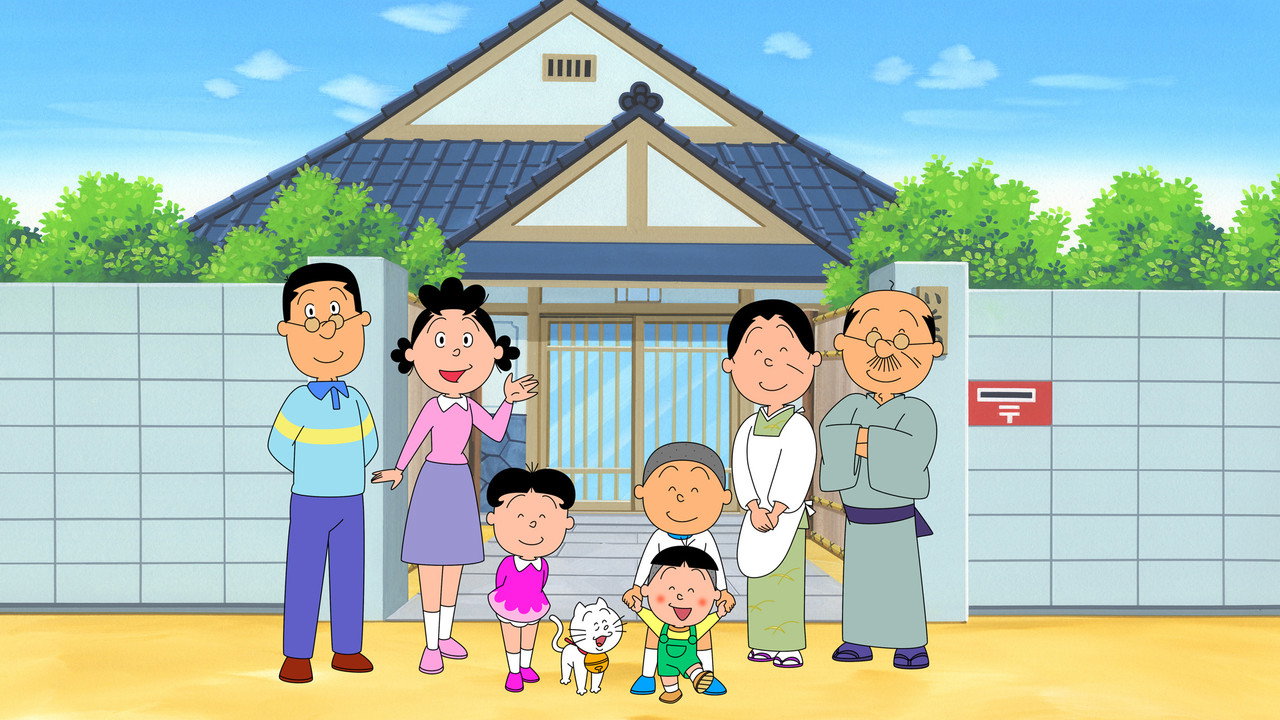
The Ending, Explained
We wrote this Sazae-san ending explained article to help those who want closure in a series that thrives on open-ended storytelling. The show, which began in 1969, presents the adventures of Sazae Fuguta and her family and friends in their Tokyo suburb. Because it is based on a manga and built as a family anime, the conclusion of any particular arc usually circles back to daily life. We can say that the ending is less a final twist and more a gentle return to normalcy. The animation, comedy, and family genres combine to create a soothing loop where each story closes with the characters exactly where they belong. For those who enjoy this kind of gentle humor, Life with Louie offers a comparable suburban family vibe that also centers on a lively household.
To put Sazae-san explained simply, we refer to understanding the show’s rhythm rather than a plot secret. The series is animation, comedy, family, and it carries a 7.0/10 rating from a small vote pool of seven voters. That score reflects its steady charm rather than explosive popularity. The characters, voiced by Midori Katō, Shinsuke Chikaishi, Hiroshi Masuoka, Hideyuki Tanaka, Nobuyo Oyama, Kazue Takahashi, Mina Tominaga, and Yoshiko Yamamoto, populate a world where small incidents matter. The ending of an episode is often a quiet beat that reinforces the bonds among neighbors and relatives. This structure makes the program a reliable companion for relaxed viewing on our free streaming platform.
What Happens
We can summarize what happens end of Sazae-san with a simple note: the program does not follow a serialized thriller structure. Instead, the adventures of Sazae Fuguta and her family and friends in their Tokyo suburb unfold as self-contained slices of life. At the close of a story, the family typically settles back into their routine. This is the answer: the characters learn a tiny lesson, share a laugh, and the curtain falls on another ordinary day. The absence of a sprawling climax is intentional, mirroring the source manga’s gentle observations of Japan. The show’s family theme means that any disruption is temporary, and harmony is restored before the credits.
The cast includes the aforementioned voice actors whose combined work brings the suburb to life. While we cannot spoiler the first act because there is no high-stakes opening to ruin, we can say that the final act of any given installment emphasizes warmth. If you appreciate such tone, you might also like Yakitate!! Japan, which, though focused on baking competitions, also springs from Japanese manga heritage and celebrates community through its own lens. Both shows prove that stories based on manga can thrive without constant conflict.
The Meaning Behind the Ending
Understanding the Sazae-san ending meaning is straightforward: it validates that small moments are worth celebrating. It is an anime about family and community in Japan, and the ending confirms that the minor ups and downs of a Tokyo suburb are themselves the reward. The rating of 7.0/10 suggests that audiences find it a comfortable watch rather than a riveting drama. This is why the final scenes rarely shock; they reassure. The adventures of Sazae Fuguta and her family and friends in their Tokyo suburb are a mirror for viewers who value home.
The inclusion of Sazae-san funny moments shapes the ending’s texture. Comedy arises from misunderstandings or gentle ironies among the family. The humorous beats often land right before the calm sign-off, giving viewers a smile to carry onward. That blend of laughter and peace is the core of the show’s lasting appeal. The funny moments are not slapstick explosions but warm recognitions of human silliness. In a family anime, that approach keeps the tone accessible to all ages.
Themes You Might Have Missed
Because the series is based on manga and set in Japan, themes of tradition meeting modern suburbia appear throughout. The family unit is central, and the animation style supports a timeless feel. While the show is comedy, it quietly notes the value of neighbors and friends. The adventures of Sazae Fuguta and her family and friends in their Tokyo suburb are a lens on ordinary Japanese life across decades. Another program that explores family dynamics in a different cultural setting is Growing Pains, a classic sitcom worth streaming for its own multigenerational household stories.
Attention to small kindnesses is a theme often missed. The ending of each story subtly highlights gratitude. Also, the voice performances by Midori Katō and colleagues lend warmth that elevates simple scripts. The anime label might suggest action to newcomers, but this is family fare first. Themes of coexistence, patience, and everyday joy weave through the episodes without grand statements. The manga origin ensures a printed-page rhythm translated to screen.
What We Think of Sazae-san
Our take is that the series earns its 7.0/10 through consistency. It is not designed to be binged for plot twists but enjoyed as a background comfort. The adventures of Sazae Fuguta and her family and friends in their Tokyo suburb provide a reliable smile. For a free streaming blog audience, it’s a hidden gem of animation, comedy, family content. The lack of a conventional finale is a feature, not a flaw. We appreciate that the show respects the intelligence of viewers who find drama in the mundane.
We recommend it to viewers who like character-driven stories. The main cast’s familiarity grows with exposure. While we only have seven votes reflected in the rating, the historical footprint since 1969 speaks to endurance. It remains a touchstone for anime based on manga with a family focus. The combination of voice talent and gentle scripts creates a product that ages gracefully. Our verdict is positive for those seeking soft entertainment.
Sazae-san Highlights
The show’s highlights are its ability to turn a walk to the store into a memorable vignette. The voice work of Hideyuki Tanaka and others adds layers. The animation, though dated by modern standards, carries a nostalgic charm that suits the suburban Tokyo setting. Each highlight reinforces the central theme of family togetherness. The communal meals and minor squabbles stand out as gentle entertainment.
In summary, the show’s strength lies in its ordinary magic. Whether you came for this breakdown or simply stumbled upon the blog, we hope it helped. The series is a testament to slow television that respects the audience’s love of home. Its themes of family and friendship in Japan remain relevant, and the ending—however soft—always means a return to togetherness. The adventures of Sazae Fuguta and her family and friends in their Tokyo suburb will likely continue to comfort viewers who discover it on our platform.