Savage Prey (2026): A Highlands Survival Thriller
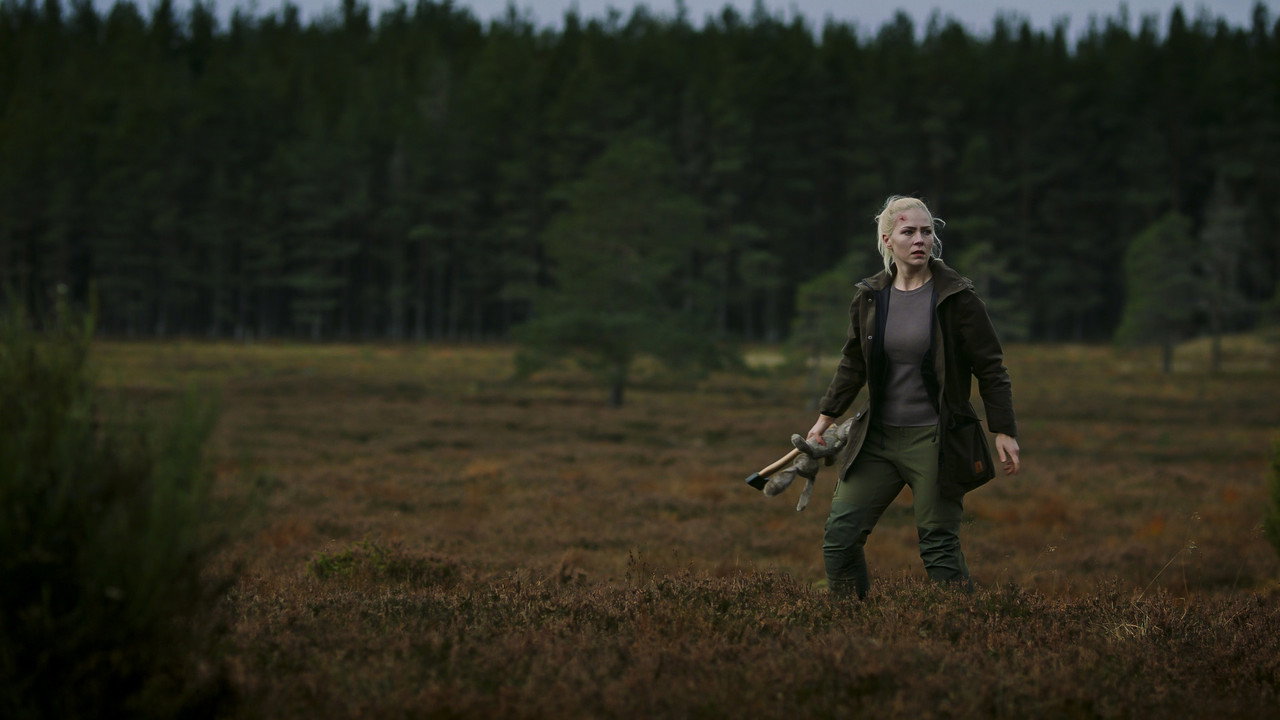
A desperate mother's search for her missing son in the Scottish Highlands becomes a twisted fight for survival in Savage Prey (2026).
November 11, 2026
The Ending, Explained
If you have just finished the film and you are hunting for a proper Savage Prey ending explained breakdown, you are in the right place. David Ryan Keith's 2026 thriller runs a tight ninety minutes and never wastes a single one of them, building toward a final act that recontextualizes everything the audience has watched up to that point. The film follows a desperate mother who travels into the remote Scottish Highlands in search of her missing son, and what begins as a search quickly becomes a twisted struggle for survival against forces she never anticipated. The closing stretch is where the movie earns its tagline: a parent is capable of unimaginable things.
What makes the finale work is that it does not rely on a cheap twist. Instead, it pays off the tension that has been simmering since the first frame, and the last scene leaves viewers with a quiet, lingering question about how far love can justify the choices a person makes. That question is the heart of any serious Savage Prey ending meaning discussion, and it is worth unpacking carefully.
What Happens
For those wondering what happens at the end of Savage Prey, the answer unfolds in stages rather than a single reveal. The mother's search through the Highlands has been defined by isolation, harsh terrain, and the sense that the people she encounters know more than they are willing to share. The final act brings those threads together. The confrontation she has been moving toward arrives, and it forces her to make a decision that the earlier parts of the film have been quietly setting up.
The finale is not a clean victory. It is a compromise, and the film is honest about that. The mother achieves what she set out to do, but the cost is visible on her face in the closing moments. Keith stages this without much dialogue, letting the landscape and the performances carry the weight. Marta Svetek anchors the final stretch with a performance that keeps the emotional stakes grounded even as the situation grows more extreme.
If you enjoy endings that hinge on parental desperation, it is worth comparing this film to The Calling, which also builds its mystery around a search and a community that keeps its secrets close.
The Meaning Behind the Ending
To fully grasp the Savage Prey explained picture, you have to look at what the film is arguing about parenthood itself. The tagline is not just marketing; it is the thesis. The ending asks whether a parent's love is a moral license or simply a force of nature that operates outside morality altogether. The mother does not emerge as a hero in the conventional sense. She emerges as someone who has crossed a line and knows it.
The remote Highland setting reinforces this. The isolation strips away social structures and leaves only instinct. With no authorities nearby and no witnesses, the film suggests that the line between protector and predator is thinner than most people would like to admit. The final scene drives that home by refusing to offer absolution. There is no speech, no grand declaration. Just a look, a silence, and the understanding that something has permanently changed.
Themes You Might Have Missed
Beyond the survival-thriller surface, the movie quietly explores a few ideas that reward a second viewing.
- Isolation as a moral test. The Highlands are not just a backdrop. The absence of other people is what makes the mother's choices possible, and the film knows it.
- The cost of certainty. She is certain her son is out there, and that certainty is both her engine and her blind spot.
- Silence as communication. Keith leans on pauses and unspoken exchanges, and the final scene is the clearest example of this approach.
The supporting cast, including Steve Weston, Ryan Livingstone, and Sara Figueiredo, helps sell the idea that everyone in this world is holding something back. If that kind of tense, character-driven mystery appeals to you, Magpie offers a similarly uneasy look at secrets kept inside a small circle.
What We Think of Savage Prey
The film is lean and confident. At ninety minutes, it has no room for filler, and Keith uses the runtime well, building dread through environment and performance rather than spectacle. The rating currently sits at a perfect 10 out of 10, though with only two votes recorded it is far too early to treat that number as meaningful. What can be said is that the film's central performance and its refusal to soften the ending give it a staying power that many thrillers in this budget range lack.
Anyone dissecting the Savage Prey final scene will notice how deliberately it withholds comfort. That restraint is the movie's biggest strength. It trusts the audience to sit with an uncomfortable resolution instead of explaining it away. For viewers who like their thrillers to end on a question rather than a bow, this one delivers.
For a different flavor of tense, survival-driven storytelling, Vicious is a solid companion piece, trading the Highlands for a more claustrophobic kind of dread.
Savage Prey Scorecard
- Story: Tight, focused, and built around a single emotional question.
- Performances: Svetek carries the weight, with strong support from the ensemble.
- Atmosphere: The Highland setting does heavy lifting and never feels wasted.
- Ending: Bold, unresolved, and thematically consistent.
- Pacing: Ninety minutes, no padding, no sag.
If you are still turning the finale over in your head, that is by design. The film wants the last scene to follow you out of the theater, and for most viewers, it will.