RuPaul's Drag Race (2009): How the Glamazon Host Guides Queens
RuPaul's Drag Race (2009) is a reality competition where top U.S. drag queens vie for stardom under RuPaul's mentoring and judging.
October 23, 2026
The Ending, Explained
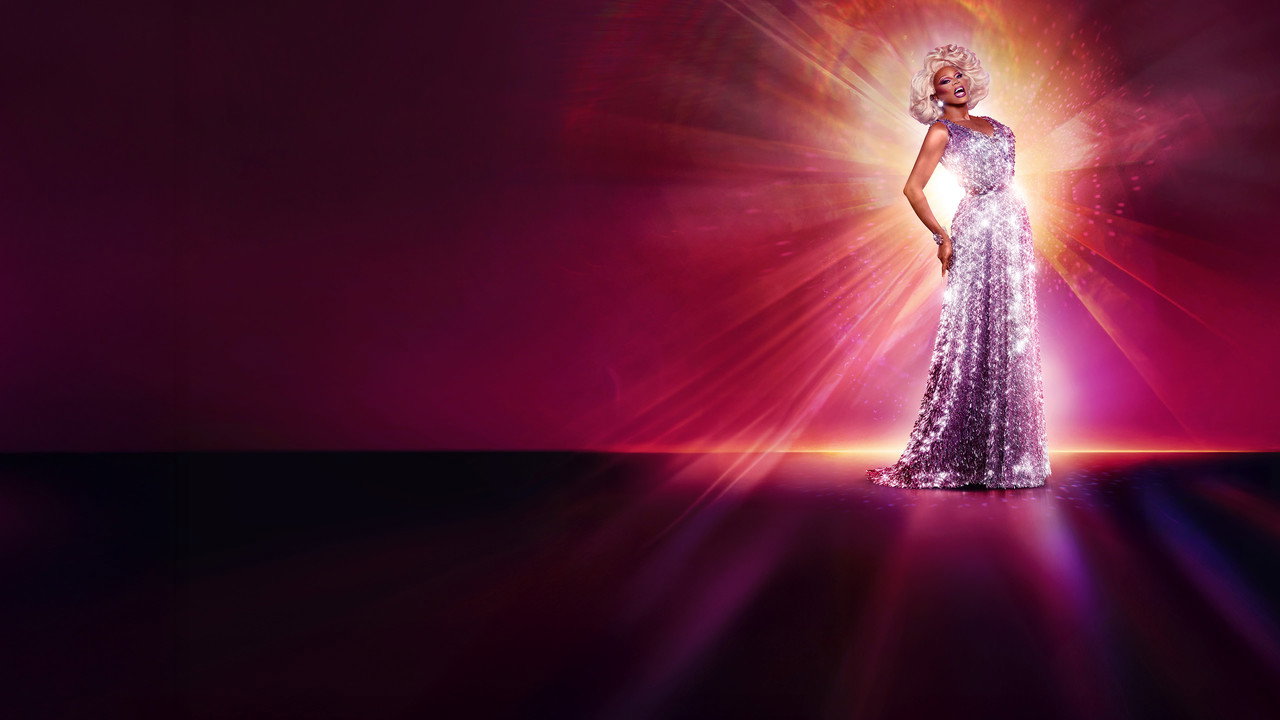
RuPaul's Drag Race first premiered in 2009 as a groundbreaking reality competition that placed drag culture at the center of mainstream entertainment. The series invites the top drag queens in the United States to vie for drag stardom under the guidance of RuPaul, the world's most famous drag queen, who appears in full glamazon drag to host, mentor, and judge. Michelle Visage stands alongside as a key presence in the judging process. While early episodes focus on introductions and preliminary challenges, our focus here is the final act, which we break down without revealing the preliminary drama. In a recent watch session, they discussed RuPaul's Drag Race ending explained after the episode aired, noting how the structure builds to a single crowning moment. The tagline, "In shady times, let there be light," hints at the uplifting resolution that the finale delivers.
The concluding portion of each season functions as a culmination of clothing, fashion, and performance skills. RuPaul reigns supreme in all judging and eliminations, helping guide the contestants as they prepare for each challenge right up to the last runway. The finale is less about plot twists and more about celebrating the artistry of drag queen performance, impersonation, and burlesque. Viewers who stay through the final credit will see how the competition honors ballroom culture and LGBT expression.
Reality competition formats often rely on eliminations to create tension, and this show is no exception. However, the finale reframes the stakes: rather than a dramatic shake-up, it offers a procession of looks that encapsulate each queen's journey. RuPaul's measured commentary throughout the last episode reinforces the mentorship that began weeks earlier. Michelle Visage's reactions add a layer of emotional grounding, reminding viewers that the runway is also a space for vulnerability.
What Happens
During the final stretch, the remaining queens face their last tests of creativity and charisma. RuPaul, in full glamazon drag, leads the process as mentor and judge, while Michelle Visage offers additional critique. The contestants produce a fashion show segment, a lip sync performance, and a final interview panel. You should ask what happens end RuPaul's Drag Race before the reunion special airs, because the climax reveals which performer earns the title of America's next drag superstar. The elimination format stays consistent: RuPaul makes the ultimate decision, and the sent home queens depart with reflective messages.
For audiences who crave more celebrity involvement, the spin-off RuPaul's Secret Celebrity Drag Race extends the same energy by recruiting famous faces into the runway world. That show mirrors the mentoring approach seen in the original, yet it keeps a lighter tone. The original program's final act, however, remains the definitive example of how a reality competition can balance humor with heartfelt transformation.
The Meaning Behind the Ending
The finale carries a deeper message than simply handing out a crown. It is interesting to analyze RuPaul's Drag Race ending meaning with the cast during post-show interviews, as the winners often speak about validation and visibility. The tagline "In shady times, let there be light" finds its full resonance when the final queen is celebrated: the spotlight becomes a metaphor for perseverance in LGBT communities and beyond. Cross dressing and fashion become tools of self-definition rather than mere spectacle.
The significance of the final act lies in its affirmation of ballroom culture and the broader drag scene. By the time RuPaul declares the winner, the audience understands that the competition was always about lifting voices that society often shadows. The ending does not punish those who lose; instead, it frames every participant as a star. Fans of underground dance and voguing should also watch Legendary, a series that dives deeper into house battles and the heritage that informs this finale's style.
Another layer of the conclusion is its tribute to the fashion show as a liberated zone. Queens assemble garments that speak to personal narratives, and the judges evaluate not just seams but stories. This aligns with the show's broader themes of clothing and cross dressing as emancipatory acts. The ending meaning therefore extends beyond a trophy; it is a rite of passage.
Themes You Might Have Missed
Beneath the glitter, the program weaves several recurring ideas. The most obvious is competition, but closer viewing reveals threads of clothing as armor, impersonation as homage, and burlesque as rebellion. We sat down to discuss RuPaul's Drag Race explained with the contestants in a bonus feature, and they pointed out how each challenge nudges them toward authenticity. Fashion is not just fabric; it is a language. Reality competition tropes merge with lgbt advocacy, making the show a cultural touchstone.
Another subtle motif is the mentor-student dynamic between RuPaul and the queens. Unlike typical judging panels, RuPaul actively helps guide the contestants as they prepare for each challenge, blurring the line between host and coach. If you enjoy style-driven contests, Next in Fashion presents a similar sartorial arena minus the drag element. Both programs prove that a runway can be a stage for personal growth as much as for garments.
RuPaul's Drag Race: The Bottom Line
With a rating of 7.483 out of 10 across 296 votes, the series holds a solid standing among reality offerings. By checking RuPaul's Drag Race winner list, you see the variety of queens who have turned their crowns into lasting careers. The show's strength is its ability to entertain while educating, never sacrificing the fun of a fashion show for the sake of message. RuPaul and Michelle Visage anchor the chaos with wit and warmth, ensuring each season feels both fresh and familiar.
The final act, as broken down above, rewards bravery over convention. Whether you approach for the comedy, the costumes, or the community, the finale leaves a glow that matches the tagline. It remains a must-watch for anyone curious about how drag transformed television.
RuPaul's Drag Race Key Details
- Title: RuPaul's Drag Race (2009)
- Genres: Reality
- Main cast: RuPaul, Michelle Visage
- Tagline: In shady times, let there be light.
- Rating: 7.483/10 (296 votes)
- Themes: competition, drag queen, clothing, cross dressing, fashion, lgbt, impersonation, burlesque, fashion show, drag, reality competition, ballroom culture
The plot centers on RuPaul hosting, mentoring, and judging the ultimate drag queen competition, with top US queens vying for stardom. The format's longevity speaks to its resonance, and the ending we explained showcases why the crown matters.