Running Man (2010): Korea's Laughter-Led Variety Survivor
Running Man (2010) is a long-running Korean variety show that turns Sunday evenings into laughter with stars playing games and missions.
October 17, 2026
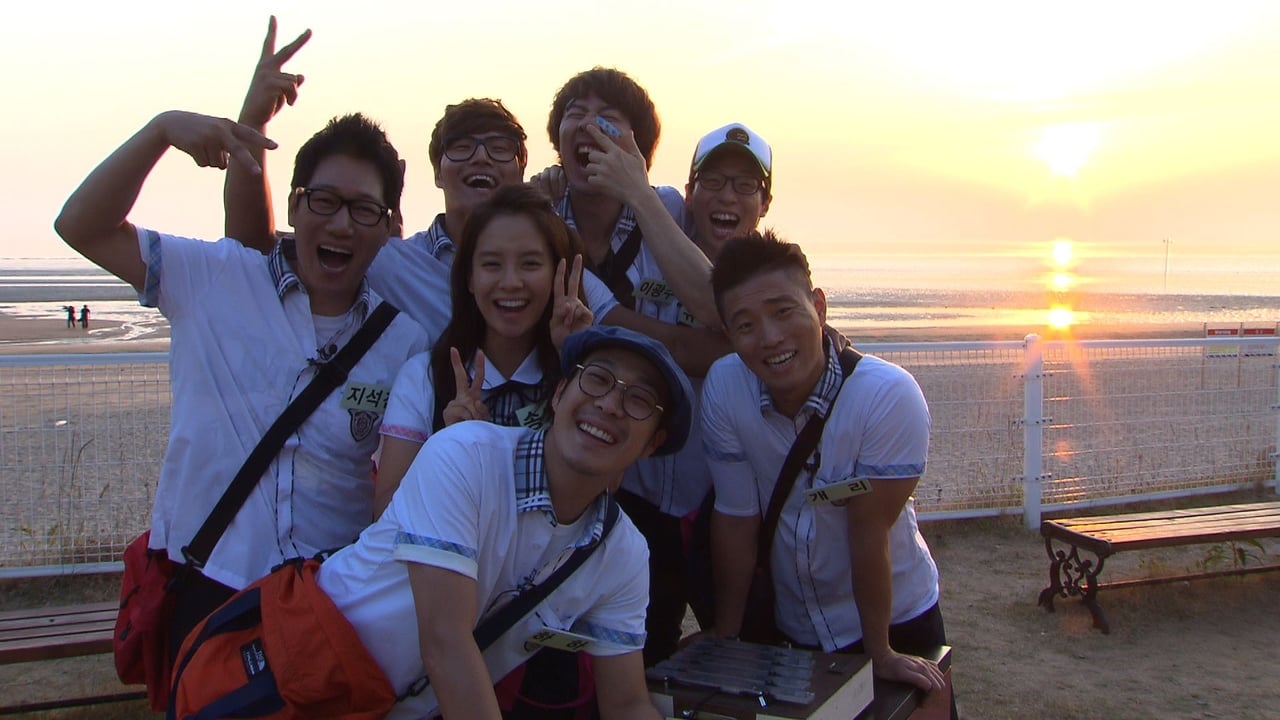
The Ending, Explained
Running Man (2010) has held a special place in Korean weekend television for more than a decade, turning Sunday evenings into a reliable source of joy. The program arrives from a period when traditional variety shows were slowly fading, yet it persisted by leaning entirely on comedy and spontaneous interaction. A typical broadcast gathers familiar faces such as Yu Jae-seok, Jee Seok-jin, Kim Jong-kook, Haha, Song Ji-hyo, Yang Se-chan, Ji Ye-eun, and Jeon So-min, then sends them into streets, parks, or studios to tackle playful tasks. The director 안재철 oversees a machine built to generate smiles rather than scripted drama. With a tagline like "Don't Walk, Run!" the tone is set from the first moment. The show's own promo lines urge viewers to open eyes for fun, open mouth for laughter, and open heart for lessons. The show has a simple structure, and Running Man explained often mentions the mission format that sends cast members racing across the city.
What Happens
Each installment follows a recognizable pattern without ever becoming rigid. Members and guest stars receive a mission, then scatter across a location to complete games that test speed, wit, or teamwork. The race element keeps tension light, while the comedian instincts of the cast turn small failures into memorable bits. The episode wraps quickly, and what happens at the end of Running Man reinforces the promise of laughter made in the opening chant. Usually the group regroups, shares the outcome of their tasks, and exchanges the kind of banter that defines the franchise. The editors cut the footage, and Running Man funny moments appear in every recap to keep the tone accessible to casual viewers. These can be a slipped pose during a duel, a wrong answer shouted with total confidence, or an unexpected alliance that backfires. Because the show refuses to take itself seriously, the final minutes feel like a party rather than a competition wrap. The promise of useful lessons surfaces when a player reflects on a mistake, making the closing segment both silly and oddly wholesome.
The Meaning Behind the Ending
When we look at the final act, the closure feels deliberate in its lack of climax. There is no villain defeated, no mystery solved; instead the cast models how to enjoy the process. The missions close with cheers, and Running Man ending explained notes the celebratory tone that mirrors the program's long life. The last scene feels warm, and Running Man ending meaning reflects the open-heart motto from the tagline. This structure is why the program has survived while other variety formats disappeared. The ending is less a conclusion and more a gentle reminder that Sunday nights can be brightened by silly races. By focusing solely on laughter, the producers signal that the true reward is the bond between players and the audience at home. That choice gives the series a comforting rhythm that repeats week after week.
Themes You Might Have Missed
Beyond the obvious comedy, several threads run through the series. The word "mission" is not just a task but a frame for personal quirks; each player approaches challenges with a signature style. "Game" and "race" intertwine so that physical movement doubles as a joke delivery system. Because the cast includes seasoned comedians, the variety show label understates how crafted the spontaneity feels. A quieter theme is growth: the tagline "Don't Walk, Run!" encourages urgency, yet the closing lessons ask viewers to slow down and absorb something useful. Another subtle layer is locality—by filming in diverse Korean spots, the program quietly documents everyday spaces through a playful lens. Even the rating of 8.2 from a modest vote pool suggests a dedicated fanbase that values consistency over spectacle. Recognizing these patterns helps a first-time viewer appreciate why the format stayed relevant for ten-plus years.
Is Running Man Worth Your Time?
If you crave structured narratives, this might feel alien, but for light entertainment it is a strong pick. The 8.2 score reflects a community that returns for the chemistry above all else. The show never pretends to be high art; it wants you to grin, and it succeeds. If you enjoy panel comedy from other markets, you might also like Michael McIntyre's Big Show, which leans into audience interaction and stand-up bits. Viewers who prefer chaotic physical humor can explore Jackass for a rougher take on stunt comedy. For those who want scripted sketch variety, Mr. Show with Bob and David offers a clever counterpoint. Running Man stands between these styles: gentler than stunt shows, more mobile than studio talk. Given its long run and focus on laughter, it remains a worthy stream for a relaxed weekend.
Running Man Fast Facts
- Title: Running Man (2010)
- Genres: Comedy, Reality
- Director: 안재철
- Rating: 8.2/10 from 221 votes
- Tagline: Don't Walk, Run!
- Main cast: Yu Jae-seok, Jee Seok-jin, Kim Jong-kook, Haha, Song Ji-hyo, Yang Se-chan, Ji Ye-eun, Jeon So-min
- Core elements: comedian, mission, game, race, variety show
- Premise: Stars and members travel to various places, play games, complete missions, and focus on laughter.
The show's own words invite you to open your eyes, mouth, and heart—a neat summary of its enduring appeal. Whether you treat it as background noise or a planned watch, the format delivers exactly what it promises.