Rugrats (1991): How Toddlers Turn Daily Life into Big Adventures
Rugrats (1991) follows toddlers whose ordinary days spark grand imaginary adventures while the adults remain blissfully unaware.
October 24, 2026
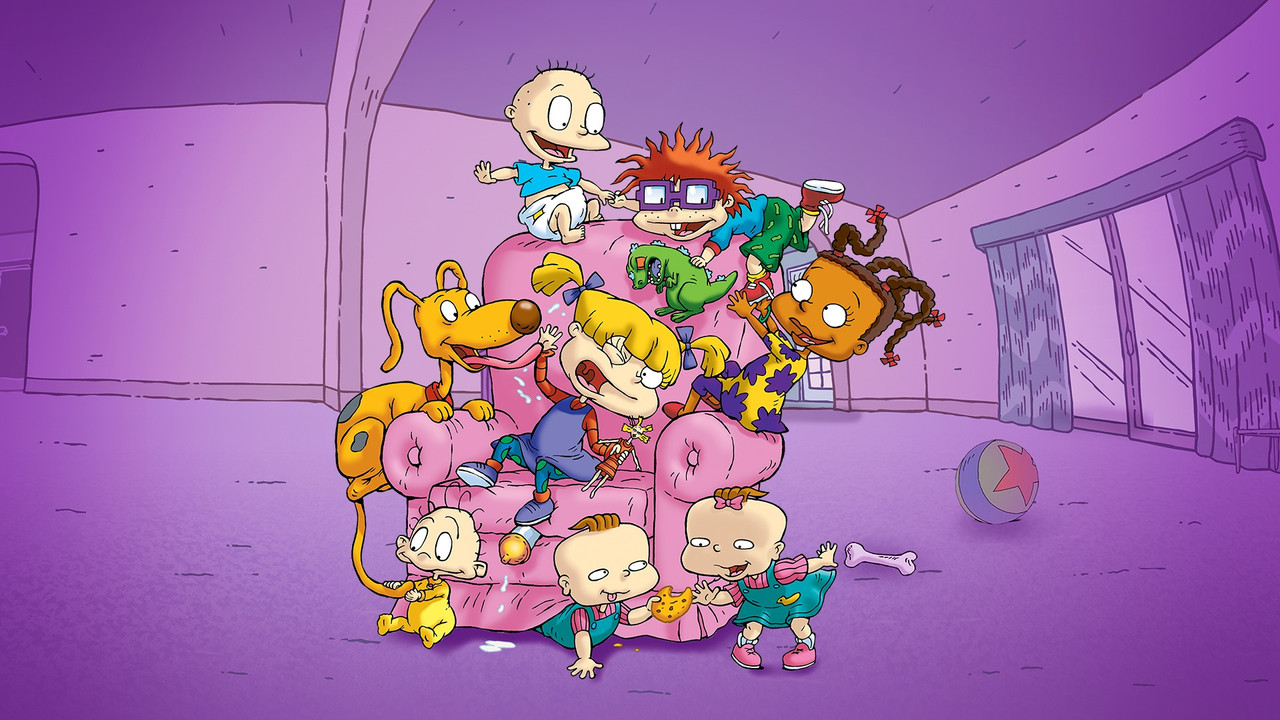
The Ending, Explained
When a television program centers on a group of toddlers whose daily routines quietly turn into grand imaginary quests, the conclusion of each story carries a soft rhythm rather than a hard twist. Rugrats, which first aired in 1991, builds its closing moments around the babies settling back into the ordinary world they never truly left. The adults, almost always unaware of the chaos that unfolded in tiny minds, continue their routines while Tommy, Chuckie, Phil, Lil, and Angelica share a quiet bond. A straightforward Rugrats ending explained can be offered to newcomers: the final act of any adventure shows the children having learned something about friendship without the grown-ups ever catching on. This format repeats because the series lives in the family, animation, kids, and comedy spaces, where reassurance matters more than revelation.
Fans of gentle animated series might also enjoy Curious George, a similarly playful take on curiosity from a childlike perspective that keeps the stakes friendly.
The beauty of this structure is that it never relies on shock. Instead, the wrap-up reinforces the nostalgic comfort of childhood. The rating of 7.615 out of 10 across 780 votes hints at how warmly viewers received that approach. The voice ensemble, featuring E. G. Daily, Kath Soucie, Cheryl Chase, Dionne Quan, Tara Strong, Joe Alaskey, Melanie Chartoff, and Tress MacNeille, gives each tiny victory a sense of celebration. Because the show targets young viewers but welcomes older ones through its gentle humor, the ending feels like a shared sigh of relief rather than a closed book.
What Happens
To understand what happens at the end of Rugrats, we should look at the pattern that repeats across the series. A simple experience like a trip to the yard or a peek at a new object becomes, through the toddlers' eyes, a journey filled with monsters or explorers. As the episode moves forward, the babies navigate their fears and help one another. By the time the imaginary quest concludes, they return to their playpen or living room, and the adults remain clueless about the magnitude of the events that just occurred in miniature form. The day-to-day lives of these characters provide the launchpad, but the babies' imaginations supply the altitude.
This cycle allows the show to stay lighthearted. The cast, including the mentioned performers, lend voices that keep every small step feeling like a heroic march. The genre tags of family and kids ensure that no real danger lingers after the credits hint at the next play session. Even when minor disagreements arise among the toddlers, the group dynamic corrects the course before the final scene.
Those who like sibling dynamics in animation could try Max & Ruby, which also follows young characters through gentle everyday discoveries and the occasional mild disagreement resolved through play.
The Meaning Behind the Ending
The Rugrats ending meaning is rooted in the show's core message that a child's imagination is a valid space for growth. When the babies finish an adventure, they have practiced bravery and cooperation. The fact that the adults do not notice is not a failure but a gift: it gives the toddlers room to discover their surroundings on their own terms. This quiet autonomy is the true reward of the final scenes. In a world where grown-ups often dictate the rules, the series hands the last word to the crib-bound explorers.
Because the series belongs to family, animation, kids, and comedy genres, its conclusions never punish curiosity. Instead, they affirm that being a toddler is itself an expedition worth respecting. The nostalgic tone invites parents to remember their own invisible childhood quests, making the ending a bridge between generations rather than a mere stop in a plot.
Themes You Might Have Missed
While watching, it is easy to laugh at the slapstick and miss the softer threads woven underneath. A few motifs stand out in the everyday framework:
- Baby – the perspective is unapologetically from the crib up, with every sound magnified.
- Friendship – Tommy and his peers solve problems together, showing early teamwork.
- Toddler – every obstacle is scaled to a two-foot viewpoint, from stairs to siblings.
- Nostalgic – older viewers recall their own early play through the show's warm filter.
- Playful – even tense moments keep a wink in the voice and a bounce in the step.
- Lighthearted – conflicts evaporate without lasting gloom, preserving the safe space.
These elements combine to make the program more than a cartoon. It is a study of early social bonds, where the smallest discoveries carry the largest emotional weight. The playful spirit never undermines the sincerity of the toddlers' feelings.
Final Verdict on Rugrats
Looking back at the 1991 debut, the show holds a special place for families seeking non-threatening entertainment. The score of 7.615/10 from 780 votes suggests a consistent affection rather than a fleeting trend. Its episodes, centered on Tommy, Chuckie, Phil, Lil, and Angelica, remain approachable for new generations. A helpful Rugrats episode list can guide a parent through the many small stories, each closing with the same tender echo of independence. The comedy never bites, and the animation style supports the rounded simplicity of a child's drawing come to life.
For those who enjoy offbeat travel and humor, The Grand Tour offers a contrasting grown-up adventure while still keeping a playful spirit that mirrors the lightness found in the toddlers' world.
Rugrats Explained
In short, Rugrats explained comes down to a simple truth: the world is enormous to a child, and that enormity is best met with imagination and friends. The series never needed a complicated finale because its power lies in repetition and reassurance. Each day for the toddlers is a new chance to explore, and each night (or adult distraction) lets them keep their secrets. The voice cast brings warmth, the genres promise safety, and the enduring rating shows that audiences appreciated the gentle ride. Whether you start at the first imaginary voyage or jump into a random installment, the heart remains the same—small people, big feelings, and a playground without walls.
By keeping the grown-ups out of the loop, the writers granted the characters a freedom that mirrors real childhood invention. That is the lasting lesson of the show's structure, and it is why the passage of years has not dimmed its charm. The common life experiences that spark the adventures are universal, and the babies' reactions remind us that wonder does not require a grand stage. It only requires a mind unafraid to pretend.