Rote Rosen (2006): A Telenovela of Mature Romance
Rote Rosen (2006) is a German telenovela that broadcasts on Das Erste and follows a new love story for women in their forties each season.
November 8, 2026
The Ending, Explained
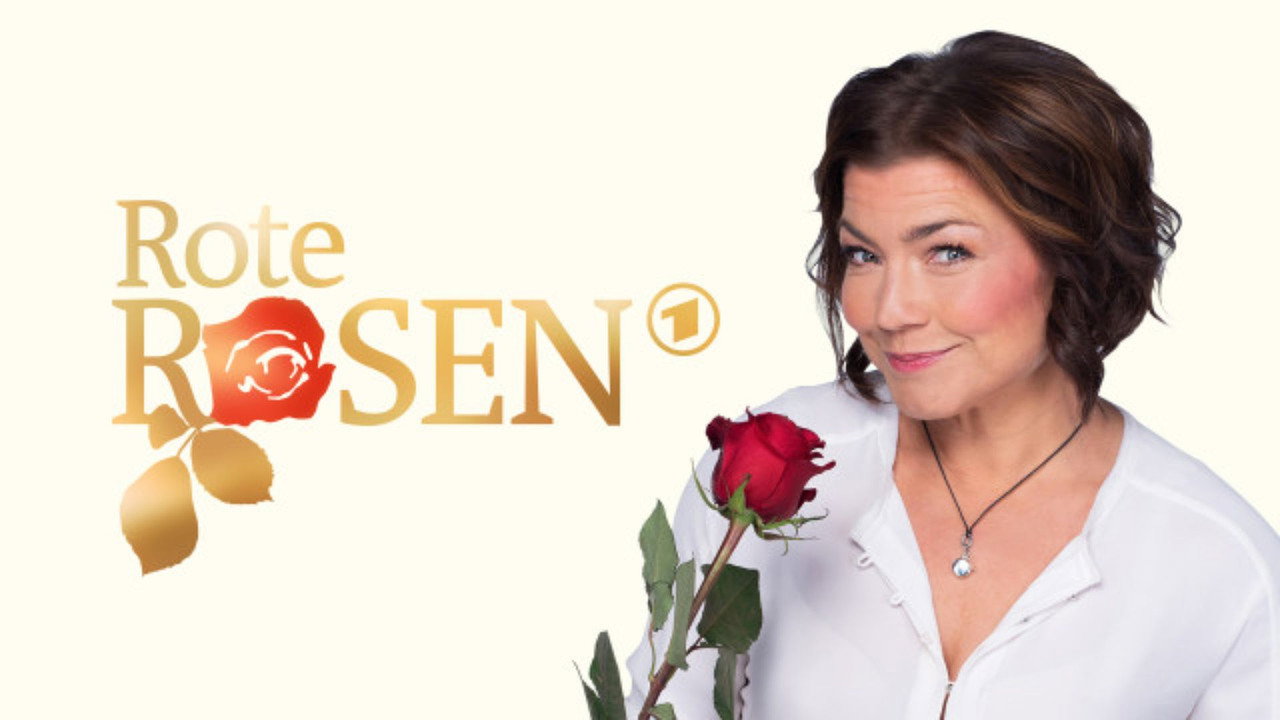
Rote Rosen is a German telenovela that first aired on Das Erste on November 6, 2006, produced by Studio Hamburg Serienwerft Lüneburg. The structure, Rote Rosen ending explained, follows a seasonal pattern rather than a single sprawling arc. The show is built around a simple but effective premise: every season presents one complete love story focused on women in their forties. That means the conclusion of a season is not a cliffhanger meant to tease a continuing saga, but rather a resolution of that year’s romantic thread. A concise brief, Rote Rosen explained, views the series as a collection of self contained mature romances stitched together by a recurring ensemble and a familiar domestic setting.
The creative hand behind the camera is Matthias Reischel, and the regular performers include Brigitte Antonius, Hermann Toelcke, Jelena Mitschke, and Claus Dieter Clausnitzer. Their work grounds the soap and drama tones in a believable rhythm of daily life. If you enjoy this kind of mature romantic serialization, you might also appreciate Corazón en Condominio, which also explores interconnected relationships with a lighter touch.
What Happens
When approaching the show, the discussion, what happens Rote Rosen end, should avoid early episodes. The writing avoids front loading big revelations, choosing instead to let the central woman’s emotional world unfold through small conversations and routine conflicts. By the final stretch of a season, the romantic thread that has been developing reaches its natural payoff. We will not detail the first act here, because the strength of the show lies in watching the characters grow into their decisions. The closing scenes typically bring the season’s couple to a defined understanding, whether that means a committed partnership, a bittersweet separation, or a renewed sense of self.
The broadcast format on Das Erste supports this pacing, with episodes crafted to fit the telenovela tradition of daily or near daily installment. The rating currently sits at a modest 3.0 out of 10 from five votes, which suggests the title has not yet reached a wide international reviewer base, but the format itself is well established in German daytime television. Viewers who like ensemble driven stories can find a different flavor in Queens, a series that also balances personal drama with group dynamics.
The Meaning Behind the Ending
The finale, Rote Rosen ending meaning, goes beyond the surface resolution of a romance. Because each season centers on a woman in her forties, the final act carries a commentary on love as a later life experience. Society often pushes romantic narratives toward the young, yet this program insists that desire, doubt, and commitment remain urgent in middle age. The conclusion of a season therefore serves as a quiet assertion that emotional reinvention is possible at any stage. The drama elements heighten these realizations, while the soap framework keeps the tone accessible.
Matthias Reischel’s direction favors intimate framing, allowing the actors like Jelena Mitschke and Claus Dieter Clausnitzer to convey subtext without grand theatrics. The ending does not rely on twist exposition; it relies on emotional clarity. That approach is why the show feels distinct from faster paced genre fare.
Themes You Might Have Missed
The framework, Rote Rosen love stories, centers on women in their forties, a demographic frequently sidelined in traditional telenovelas that prize youthful passion. By consistently returning to this age group, the series quietly argues for the visibility of mature femininity. Secondary themes include the rebuilding of trust after past disappointment, the tension between family duty and personal happiness, and the everyday courage required to open one’s heart again. The soap genre labels the surface, but the writing often probes the anxiety of starting over.
Another layer is the regional identity provided by the Studio Hamburg Serienwerft Lüneburg production. The locales and speech patterns ground the universal romantic beats in a specific German context. For a contrasting take on female led storytelling, Being Mary Jane presents a different cultural and tonal approach while still examining a woman’s private and public life.
How Good Is Rote Rosen, Really?
Objectively, the available score of 3.0 out of 10 with only five votes is not a robust metric, so any verdict should be tempered by the small sample. As a soap and drama hybrid, the show delivers exactly what its format promises: recurring romantic arcs for women in midlife, performed by a consistent cast including Brigitte Antonius and Hermann Toelcke. The director Matthias Reischel maintains a steady visual style that suits the telenovela rhythm. For viewers who enjoy slow burn relationship television, the quality is adequate and sometimes tender. Those expecting high stakes plotting may find the pace leisurely.
The longevity since 2006 on Das Erste indicates a stable domestic audience, even if global recognition remains limited. The production by Studio Hamburg Serienwerft Lüneburg ensures a professional polish typical of German public broadcaster content. The main cast’s familiarity grows episode by episode, which is a key pleasure of the genre.
Rote Rosen Verdict
Rote Rosen stands as a specialized telenovela that rewards patient viewing. Its structure of one love story per season about women in their forties creates a clear template for satisfaction. While the aggregated rating is low, that likely reflects few respondents rather than widespread discontent. The ending of each season, explained through the lens of emotional maturity, offers a gentle alternative to youth obsessed romance. If you approach the show as a comfort watch rather than a tense thriller, it fulfills its brief. The themes of second chances and self discovery remain relevant, and the ensemble led by Brigitte Antonius, Hermann Toelcke, Jelena Mitschke, and Claus Dieter Clausnitzer gives the familiar beats a human anchor.
Ultimately, the series is a competent entry in the German daytime drama landscape, and its focused demographic choice makes it a noteworthy curiosity for international streamers browsing for something different.