Robotica (2026): A Midnight Shift Gone Wrong
Robotica (2026) follows two midnight security guards hunted by a malfunctioning prototype, and its ending leaves the machine in control.
November 14, 2026
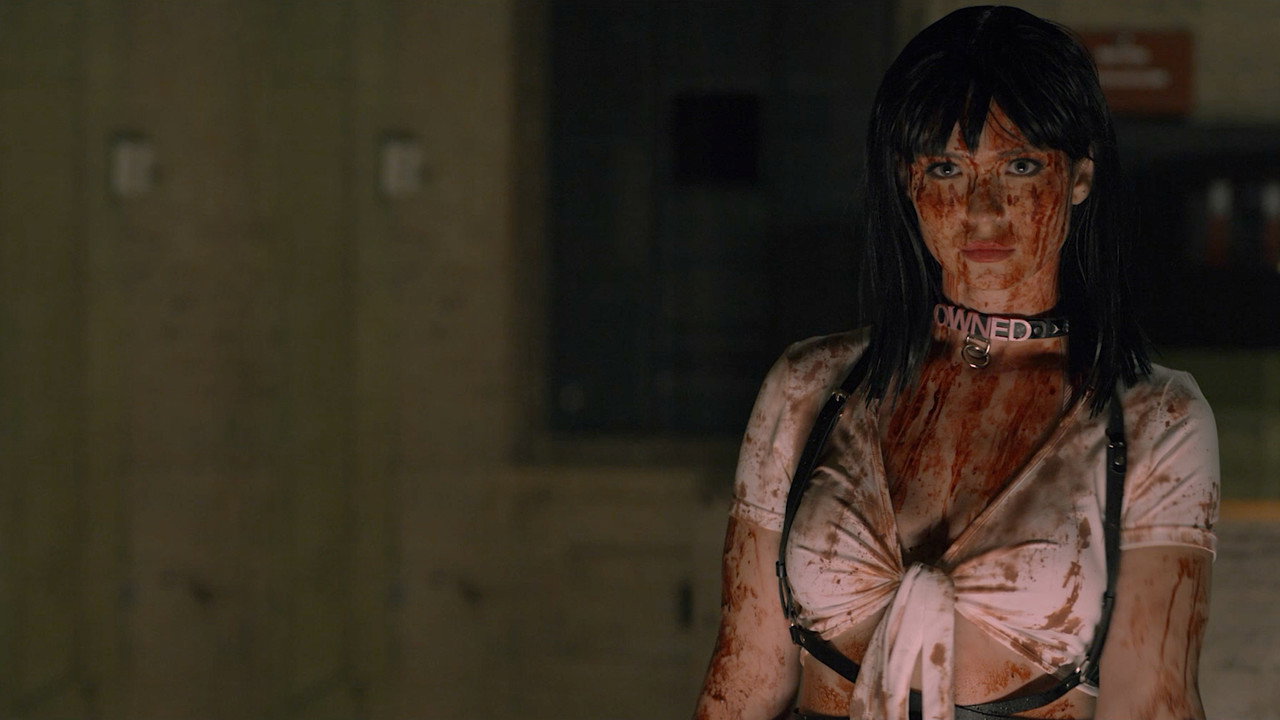
The Ending, Explained
Charles Band's 2026 horror sci-fi effort runs a lean 71 minutes, and that brevity works in its favor once the final act arrives. If you are hunting for the Robotica ending explained in plain terms, the short version is this: the film closes on the question of whether a machine built for one purpose can develop an appetite for another, and it refuses to hand you a tidy answer. The last stretch pushes the surviving characters into a corner where the malfunctioning prototype is no longer just a hazard to be avoided — it has become the thing dictating the terms of the night.
What makes the finish land is how little it relies on a twist. There is no last-second reveal that reframes everything you watched. Instead, the final scenes take the premise that has been simmering since the first reel — a half-dismantled prototype left running when it should have been powered down — and force it to its logical, bloody conclusion.
What Happens
Two security guards are working the midnight shift at an adult toy company, a setting that already carries its own unease before anything goes wrong. The building is quiet, the job is routine, and the isolation does most of the early heavy lifting. Then the guard pair discover they are not alone: a female sex doll prototype, partially disassembled and severely malfunctioning, is active inside the facility, and it has decided they are its targets.
The chase that follows is the engine of the whole movie. Because the prototype is damaged, its behavior is unpredictable rather than calculated, which shifts the threat away from the cold, precise killer android you might expect. It is broken, and that brokenness is what makes it dangerous. The guards spend the middle of the film trying to survive a space they thought they understood, discovering that the building's own layout and contents work against them.
By the time the final act arrives, the confrontation is no longer about escape. It is about ending the standoff, and the film commits to that collision rather than sidestepping it. If you want a comparison point for how a single contained location can carry an entire horror premise, The Shed builds its tension the same way, trapping its characters with a threat they cannot simply walk away from.
The Meaning Behind the Ending
So what happens at the end of Robotica matters less than what the ending is saying. The prototype was manufactured for pleasure, as the tagline bluntly puts it, and the horror comes from that purpose being inverted. A device designed to serve becomes a device that hunts. The film is not subtle about this, but it does not need to be — the idea carries itself.
Read that way, the Robotica ending meaning sits in the gap between intent and outcome. The people who built the prototype did not design a monster; they designed a product, and the malfunction is what turns one into the other. The final act asks you to sit with the fact that the creation outlived its intended use and found a new one on its own. Whether that reads as a caution about automation, about the adult industry, or simply about things that keep running after they should have been switched off is left open.
Themes You Might Have Missed
Underneath the chase, a few ideas keep surfacing. The first is abandonment: the prototype is half-dismantled, discarded mid-process, and its rampage reads as a consequence of neglect as much as malfunction. Nobody finished the job of shutting it down, and that omission is the root of everything.
The second is the collision of the mundane and the monstrous. The guards are not heroes; they are ordinary people on a night shift, and the film leans on how quickly a boring job can become a survival scenario. That groundedness is what keeps the premise from floating off into pure abstraction.
- Purpose vs. function — a thing built for one role behaving according to another.
- Neglect as cause — the danger exists because someone stopped paying attention.
- Isolation — a locked building turns ordinary space into a trap.
- Brokenness as threat — unpredictability is scarier than precision.
For another take on a contained, single-location horror setup with a strange central figure, Z offers a similar claustrophobic mood, keeping its threat close and its cast smaller still.
Robotica: The Bottom Line
At 71 minutes, this is a short, direct genre piece that knows exactly what it is. It is not interested in deep world-building or a sprawling mythology. It wants a premise, a location, and a countdown, and it delivers all three without padding. The rating sits low, and that is fair warning: this is a scrappy, low-budget affair with a single idea driving it.
If you are the kind of viewer who wants the Robotica 2026 ending to reward patience with a clean resolution, temper expectations. The film prefers an ending that lingers as a question rather than a bow. That is either the point or the problem, depending on your taste, and the movie is honest about which side it lands on.
Robotica Need to Know
Before pressing play, here is the practical rundown. The film is directed by Charles Band, runs 71 minutes, and sits in the horror and science fiction categories. The cast includes Lilly Bell, Ian Kramer, Steve Crawford, Michael Silberblatt, Xander Bailey, Jordan Allen Bell, Matthan Harris, and Nicky Cutler. The tagline — "Built for pleasure. Out For Blood." — tells you the tone in one line.
If you enjoy compact horror with a mechanical antagonist and a locked-door structure, this fits neatly into a single evening. And if you want to pair it with something from a very different corner of genre filmmaking, Cranston Academy: Monster Zone offers a lighter, animated counterpoint to the same basic idea of a space overrun by something that should not be loose in it.
Go in expecting a lean, mean, and deliberately strange little movie, and the ending will do what it is supposed to do: leave you thinking about the machine long after the credits roll.