Riverdale (2017): Surreal Darkness Beneath a Wholesome Town
Riverdale (2017) subverts the Archie gang with surreal small-town darkness and weirdness beneath a wholesome facade.
October 26, 2026
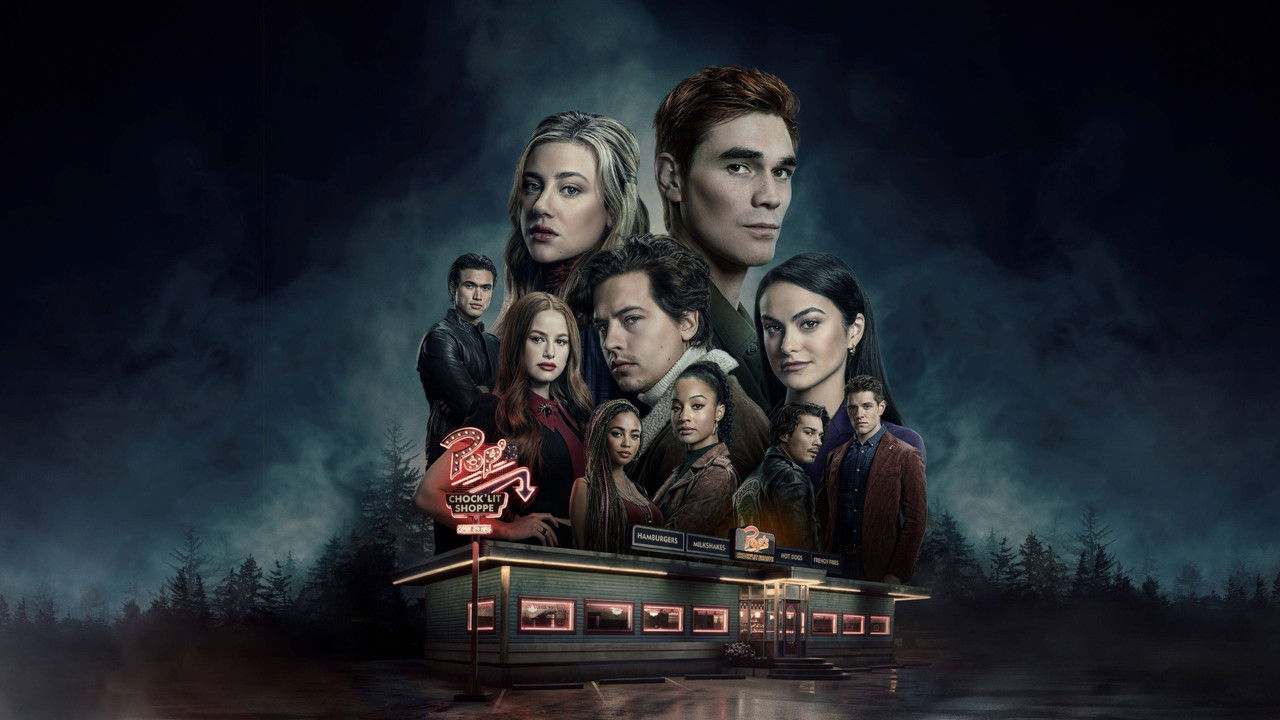
The Ending, Explained
From the outside, Riverdale looks like a wholesome small-town drama built around familiar faces such as Archie, Betty, and Veronica, but the series constantly peels back a strange underside that loyal comic readers may not expect. Our Riverdale explained walkthrough focuses on the later chapters, where the surreal elements of magic, manipulation, and amateur detective work collide with personal growth. The official tagline promises that to save the future, the characters must survive the past, and that idea drives the closing arc more than any single clue handed to the audience early on.
Instead of recounting the opening mystery, we look at how the final act reframes everything that came before. The Riverdale ending explained approach taken here respects your curiosity while keeping the early revelations unspoiled. Think of the finale as a mirror held up to the town’s fabricated normality, revealing why the darkness and weirdness were always part of the foundation rather than a late addition. The writing trusts viewers to connect thematic dots about control and identity.
KJ Apa, Lili Reinhart, Camila Mendes, and Cole Sprouse lead an ensemble that handles tonal shifts with surprising grace. Whether the story dips into a musical number or a tense confrontation at a casino, the performers keep the emotional core intact. That consistency is what allows the bold reinvention to feel earned rather than random. Supporting players like Madelaine Petsch, Casey Cott, Drew Ray Tanner, and Vanessa Morgan deepen the sense that every corner of the community hides a contradiction worth examining.
What Happens
By the time the story reaches its later chapters, the group faces threats that blend crime, witchcraft, and personal betrayal. If you wonder what happens at end of Riverdale, the short version is that the friends confront the darkness bubbling beneath their community’s facade, with sacrifices tied to graduation and the move toward college life. The small town that once seemed idyllic becomes a stage for final reckonings where manipulation meets resistance.
We see a love triangle reach a quiet conclusion, while a casino subplot and hints of bisexuality add layers to the personal stakes. The musical impulses of the show also surface in the finale, reminding viewers that this is not a standard procedural. Amateur detective instincts inherited from earlier escapades help the characters piece together schemes that authority figures miss. Drew Ray Tanner and Vanessa Morgan contribute to the sense that every resident carries a secret that could unravel the surface peace.
Without detailing the first act, it is fair to say the ending rewards patience. The weirdness does not vanish; it transforms. A witch’s influence and the specter of a killing linger as the graduates step into uncertain futures. Themes of small-town pressure and the lure of magic converge so that leaving Riverdale feels both like freedom and like a loss. The ensemble sells the melancholy without sacrificing the show’s heightened style.
The Meaning Behind the Ending
The Riverdale ending meaning goes beyond simply solving a crime or exposing a single culprit. It speaks to the loss of innocence in a small town and the way manipulation can rot institutions from within. The characters’ survival of the past becomes a metaphor for growing up and accepting hidden flaws in the people they love, as well as in themselves. Growing apart is presented not as failure but as necessary evolution.
For those who followed the Riverdale plot twists, the final revelations recontextualize earlier manipulations, showing that the weirdness was never random but part of a design. Themes of magic and control intertwine, suggesting that power in Riverdale is often exercised through suggestion rather than force. Graduation is not just a milestone; it is an evacuation from a poisoned Eden where the wholesome facade was a spell of its own.
Rating-wise, the series holds a remarkable 8.394 out of 10 across more than thirteen thousand votes, indicating that audiences embraced this subversive reading. The finale’s bittersweet tone honors the tagline: the future can only be saved once the past is survived, not erased. That balance of hope and scars is the true resolution.
Themes You Might Have Missed
Beyond the obvious crime and mystery labels, the series quietly explores bisexuality, amateur detective curiosity, and the pull of magic. A viewer who enjoys occult-tinged stories should also consider Milagro y magia, which shares a similar fascination with mystical small communities and the cost of hidden rituals. Both titles understand that a town’s prettiness can mask ritual logic.
Another layer is the contrast between wholesome facade and actual violence. The show’s use of a musical format in later episodes underscores the artificiality of the town’s image. If you like staged performances mixed with danger, Rock Sugar Summer offers a lighter but related vibe that still toys with performance as escape. The numbers in Riverdale often reveal more than dialogue about a character’s true stakes.
Notice how the casino functions as a symbol of manufactured luck, while the love triangle reflects the characters’ struggle to define themselves outside inherited roles. Even the theme of college hints at the tension between leaving and being claimed by Riverdale’s gravity. These details enrich the final act if you revisit with fresh eyes. A list of quiet motifs worth tracking includes:
- the recurring use of mirrors to signal split identities
- the blending of school rituals with occult imagery
- the way a killing reshapes alliances without explicit lectures
- the steady normalization of bisexuality among the friend group
Should You Press Play on Riverdale?
With a strong ensemble led by KJ Apa, Lili Reinhart, and Camila Mendes, the series rewards patience. The rating of 8.394 out of 10 from thousands of voters suggests the bold reinvention lands for most viewers. If you appreciate structured mystery with supernatural edges, press play. The show respects your intelligence even when it leans into camp.
Those who prefer straightforward comic fidelity might hesitate, but the subversive tone is the point. For a darker academic secret society angle, The Order makes a fitting next stop after bingeing this one, especially if you enjoyed the mixture of investigation and uncanny rules. Both programs treat young adulthood as a threshold to strange responsibilities.
The show never pretends to be a quiet coming-of-age tale. It is a crime drama, a mystery, and a surreal examination of small-town mythology all at once. That ambition is why the ending feels like a thesis statement rather than a wrap-up. The cast’s chemistry ensures the experimentation never becomes cold.
Riverdale in Short
Riverdale reimagines Archie and friends as players in a strange crime drama where a witch, a casino, and a love triangle can coexist. The finale pays off the slow-build weirdness, leaving a bittersweet sense of small-town evolution. It is a bold, sometimes baffling, always watchable experiment that uses its tagline as a promise. The journey from facade to truth is the real plot.
The combination of manipulation, music, and mild supernatural threat creates a signature texture. Whether you arrive for the amateur detective beats or stay for the graduation emotional beats, the series delivers a conclusion that respects its own internal logic. Few remakes dare this much surreality, and fewer still earn a score above eight from a massive voter pool. In the end, the town survives its own myth, and so do we as viewers.