Rick and Morty (2013): A Grandson Dragged Across the Universe
A sociopathic genius scientist drags his inherently timid grandson on adventures across the universe in Rick and Morty (2013).
October 18, 2026
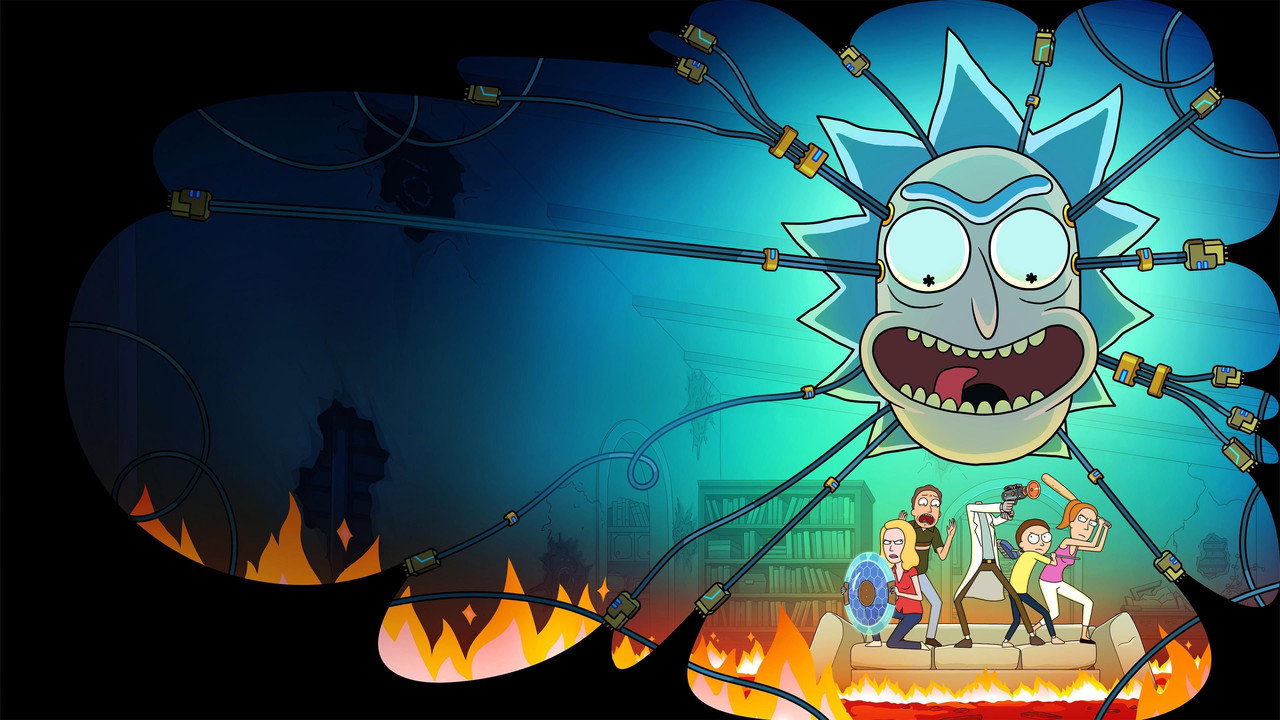
The Ending, Explained
Many viewers finish the series with a lingering question about emotional resolution, and that is why searches for Rick and Morty ending explained have surged among streaming audiences. The final stretch of the show stops relying on throwaway sci-fi gags and instead places the fractured bond between a sociopathic genius scientist and his inherently timid grandson under a microscope. Without revisiting the early setup, we can say the last acts occur across multiple dimensions where a spaceship becomes less a vehicle for adventure and more a container for unresolved household tension. The mad scientist who normally treats reality as a playground is forced to acknowledge that his alcoholism and absentee behavior have shaped the only family he has left. This is not a twist-driven conclusion but a character-driven one, rewarding patience rather than shock.
The animation style remains brightly comic even as the writing turns bittersweet, a hallmark of adult animation that the series helped popularize. Chris Parnell, Spencer Grammer, and Sarah Chalke lend voices that anchor the absurdity in recognizable human frustration. By the time the climax arrives, the grandson's timid nature has been tested so thoroughly that his quiet choices carry more weight than any alien invasion. The ending therefore feels earned, not imposed, and it respects the audience's intelligence while still delivering the genre mashup of comedy, action, and fantasy promised by the premise.
What Happens
To summarize what happens at the end of Rick and Morty, the narrative pulls its scattered cosmic threads toward a single domestic reckoning. The grandfather and his grandson return from yet another universe-hopping expedition, but the usual relief of coming home is replaced by the realization that the dysfunctional family unit cannot be repaired with science alone. A father figure who was previously sidelined steps into the emotional foreground, and the machinist tendencies of the scientist are shown to be a coping mechanism rather than a triumph. Aliens and time travel appear in the periphery, but they serve the personal drama instead of overshadowing it.
We see the scientist grapple with his own detachment, while the timid boy asserts a small independence that signals growth. The spaceship sits dormant, multiple dimensions close their doors, and the tagline "Science makes sense, family doesn't" lands with full force. Nothing about the first episode's inciting incident is required to feel the weight of this finale, which is a credit to the show's structural confidence. The conclusion does not negate the comedy; it filters it through melancholy, leaving viewers with a bittersweet smile.
The Meaning Behind the Ending
The Rick and Morty ending meaning is inseparable from its official tagline: "Science makes sense, family doesn't." Across the run, the mad scientist character can calculate trajectories across the cosmos, manipulate alien biology, and bend time travel to his whim, yet he remains helpless before a simple dinner-table argument. The final act argues that intellectual supremacy is a poor substitute for emotional presence. Alcoholism, a quiet undercurrent throughout, is revealed as both armor and prison for the grandfather figure.
In a broader sense, the ending validates the grandson's arc from passive companion to reluctant moral center. The dysfunctional family is not cured but acknowledged, which in the show's universe counts as a victory. By refusing a tidy reset, the writers honor the adult animation label and trust viewers to sit with discomfort. The meaning, then, is that love and liability are the same thread in this household, and no spaceship can outrun that truth.
Themes You Might Have Missed
Beyond the obvious lasers and laughs, the series plants subtle motifs that pay off late. Time travel is not just a plot device but a metaphor for regret, letting the scientist revisit moments he ruined with the family. The grandfather relationship is layered with both mentorship and manipulation, complicating the father figure role. Alcoholism threads through scenes without sermonizing, visible in small gestures rather than grand confessions.
Even in Rick and Morty season one, careful viewers can spot the alien species that later mirror the family's isolation, and the machinist hobby of building tools becomes a stand-in for emotional distance. Multiple dimensions allow the show to test variations of the same broken household, proving the dysfunction is foundational rather than incidental. For those who enjoy this brand of animated storytelling, the contemporary comedy Krapopolis offers a similarly skewed look at relatives who cannot escape each other, though with a mythic rather than sci-fi palette.
Rick and Morty: Our Final Verdict
The aggregated score of 8.68 out of 10 from over eleven thousand votes signals how strongly the show lands with its audience. Main cast members including Ian Cardoni and Harry Belden continue the tradition of sharp vocal performances that keep the mad scientist and timid grandson believable amid nonsense. Our verdict is that the series earns its ending by treating its characters with rigorous honesty beneath the genre paint.
While the adventures across universes provide endless spectacle, the true accomplishment is emotional. If you appreciate older explorations of space-bound families, the classic Star Trek remains a fitting companion watch, highlighting how different eras frame the scientist's role. Rick and Morty stands as a landmark of adult animation, balancing comedy, action, and adventure without softening its core melancholy.
Rick and Morty Explained
A complete Rick and Morty explained walkthrough would note that the show follows a sociopathic genius scientist dragging his inherently timid grandson on adventures across the universe, but the deeper pattern is about learning to live with impossible relatives. The genres listed—animation, comedy, sci-fi and fantasy, action and adventure—only sketch the surface. Themes of dysfunctional family, mad scientist hubris, and alien encounters orbit a human heartbeat.
For viewers who want more animated sci-fi with mature themes, Dragon Age: Absolution delivers a darker tone while still exploring loyalty and broken bloodlines. Ultimately, the series confirms that no matter how many dimensions you visit, the hardest journey is the one back to the dinner table. That is the simple, enduring lesson behind the chaos.