Ready, Steady, Cook (1994): Fast Chefs in a 20-Minute Rush
Talented chefs create delicious dishes in just 20 minutes on Ready, Steady, Cook.
October 24, 2026
The Ending, Explained
When people look for a show like this, they often want closure on how a format resolves. The Ready, Steady, Cook ending explained is simpler than a scripted drama because the series is a reality cookery competition rather than a story with a written finale. What matters is that the clock runs out and the dishes are judged after a fast, pressured cook.
For a different take on timed cooking pressure, readers may enjoy Next Level Chef (2022), which also puts cooks in a race against the clock.
What Happens
The program brings talented chefs together and sets them a clear task: produce delicious food within twenty minutes. The tension comes from the limited time rather than from a plot twist. In the final stretch, the cooks finish plating and present what they managed to create under pressure.
Because the show is reality and not narration-driven, what happens at the end of Ready, Steady, Cook is the completion of the cookery battle and the moment the results are tasted. There is no hidden scene after the cooking; the closing beat is the dish and the verdict on it.
If you like this kind of format, Guy's Grocery Games (2013) follows a similar idea of shopping and cooking under constraints.
The Meaning Behind the Ending
The Ready, Steady, Cook ending meaning is tied to the value of improvisation. A twenty-minute limit strips away long preparation, so the end of each episode shows whether a chef can adapt with whatever is on hand. The closing judgment is less about a single winner and more about the joy of cookery itself.
Through Ready, Steady, Cook explained in this way, the finale of an episode is a small celebration of skill meeting the clock. It tells the viewer that good food does not require endless hours, only focus and a little creativity.
Themes You Might Have Missed
The obvious theme is cooking, but the quieter one is time as a creative force. When the timer starts, the chefs must decide fast and commit. Another theme is friendly rivalry; the battle is lighthearted, yet the desire to make something delicious is real.
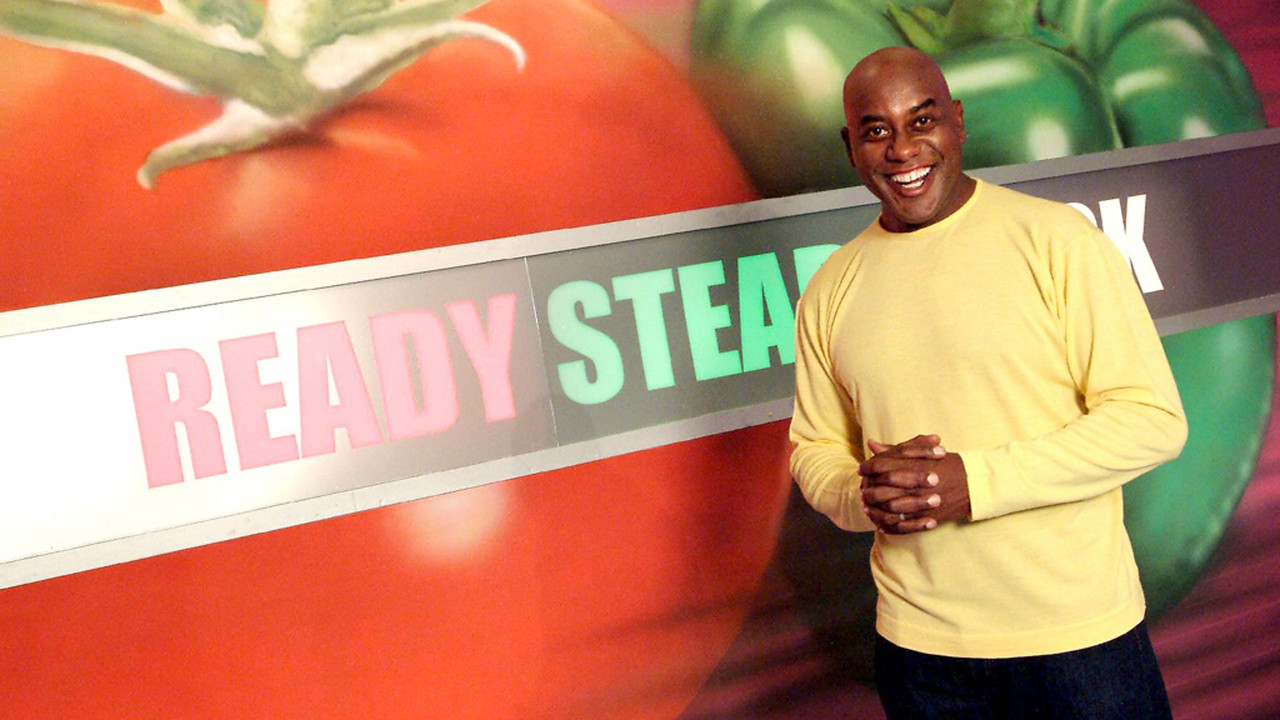
The show also quietly highlights accessibility. By keeping the window short, it suggests that cookery belongs to everyone, not only professionals with large kitchens. Ainsley Harriott's presence keeps the mood welcoming rather than intimidating.
For a holiday spin on the same friendly chef energy, Selena + Chef: Home for the Holidays (2023) is worth a look.
What We Think of Ready, Steady, Cook
The series is easy to recommend for anyone who enjoys food television without heavy stakes. Its eight out of ten rating from a small vote count shows quiet appreciation rather than hype. The format is repeatable, which is why it works as background viewing or a quick watch.
We like that the show respects the viewer's time. Twenty minutes of cooking is enough to feel a burst of energy without dragging. It is a calm kind of reality show, and that is a nice change from louder competition formats.
Ready, Steady, Cook Essentials
The title is Ready, Steady, Cook, first released in 1994. It is a reality series rather than a scripted show, directed by Jane Elsdon-Dew. The main face associated with it is Ainsley Harriott, who helps carry the warm tone.
The core idea is simple: talented chefs battle it out against the clock, creating delicious dishes in 20 minutes. There is no complex mythology to learn before watching, which makes it approachable for new viewers.
For those searching in another language, some fans write about the Ready, Steady, Cook final episode结局 when they mean the last installment or the way the format closes. The show's ending logic stays the same across languages: cook, plate, judge, enjoy.
The themes of cooking and cookery run through every part of the program. Even without a traditional story, the final act means something because it proves the format can deliver a satisfying result in a very short window.
We would suggest watching a single episode before a meal, because it tends to make ordinary food feel a bit more exciting. The light rivalry and quick timing are the reasons it has stayed remembered since the mid-nineties.
Though the vote count is small, the score of 8.0 out of 10 hints that the people who watched it appreciated the charm. It is not a show built on shock, but on the small pleasure of seeing a dish come together fast.
In the end, the program is about the moment the timer stops. That is when the battle becomes a plate, and the plate becomes the point. It is a tidy loop that explains why a simple cookery race can still feel complete.