Ranma ½ (1989): A Cursed Spring's Gender-Bending Chaos
Ranma ½ (1989) mixes martial arts comedy with a gender-changing curse and an unwanted betrothal that defines its chaotic charm.
October 24, 2026
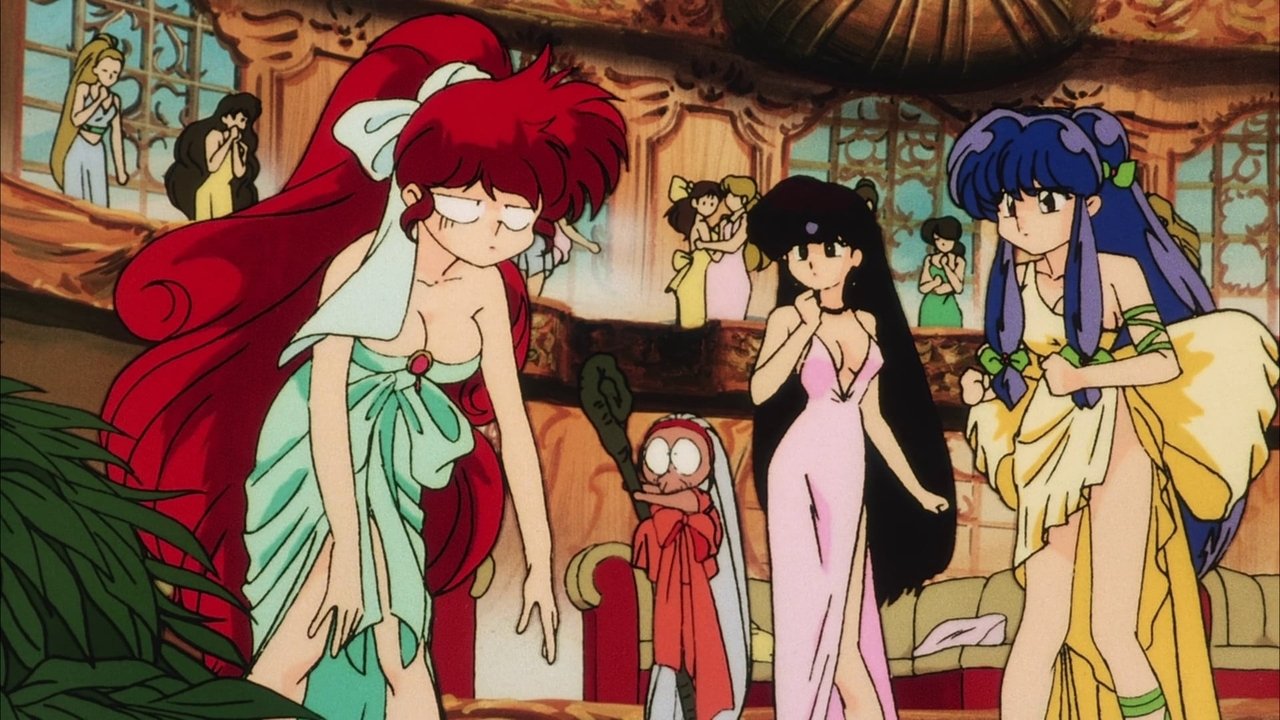
The Ending, Explained
The 1989 animated program remains a landmark of shounen comedy, blending martial arts with a surreal romantic tangle. Its closing stretch does not abandon the central complications that define the story. Instead, the final episodes, Ranma ½ ending explained, keep the transformative affliction and the unwanted betrothal at the forefront of every interaction.
Because the source material is a long-running manga, the adaptation chooses to highlight the perpetual friction between characters rather than deliver a neat resolution. The audience is left watching a teenager who must navigate school, fights, and a fiancée who despises the opposite sex. That open-ended posture is part of the charm for the 1551 voters who awarded the show an 8.6 out of 10.
The classification as comedy, action, adventure, animation, and sci-fi fantasy speaks to its broad appeal. Few properties manage to weave martial arts bouts into a romantic comedy without losing momentum. The 8.6 score from 1551 voters signals that the approach resonated with a large audience.
What Happens
After the initial setup is long past, the day-to-day chaos continues without mercy. Ranma Saotome, a high-school-aged fighter, copes with a condition that reshapes his body when doused with cold water, reverting only under heat. His father Genma locked in a promise that binds Ranma to Akane Tendo, a girl with a deep dislike for boys. Viewers often wonder what happens at the end of Ranma ½, though the broadcast sustains the same comic battles until the last frame.
We see repeated clashes of mixed martial arts skill against absurd opponents, all while the love polygon pulls in more admirers. The narrative never slows down to explain the early misfortune, respecting the viewer who joined mid-season. Instead, the focus stays on how the household manages the engagement and the sporadic transformations.
The vocal performances by Kappei Yamaguchi and Megumi Hayashibara ground the absurd premise in relatable emotion. Their characters circle each other in a dance of mutual annoyance and hidden care, a dynamic that powers the romcom label.
Fans of retro animation may also enjoy Kimagure Orange Road (1987), a contemporary series that mixes supernatural teen romance with lighthearted comedy.
The Meaning Behind the Ending
The finale's resonance, Ranma ½ ending meaning, comes from its refusal to resolve the chaos. By maintaining the status quo, the writers suggest that growth is found in coping with absurdity rather than eliminating it. The bond between the reluctant pair is tempered by constant bickering, yet they remain the anchor of the story.
This approach mirrors the absurdist tag attached to the property. A conventional romantic conclusion would undermine the gender swap premise that fuels every episode. The open thread invites the audience to imagine their own continuation of the love polygon.
Themes You Might Have Missed
Beneath the slapstick lies a meditation on identity. The water trigger, Ranma ½ curse explained, is a metaphor for fragile identity under external pressure. One moment Ranma presents as a young man, the next as a redheaded girl, and the shift is beyond his control. That involuntary change fuels both the harem dynamics and the romcom tension.
Another layer is the shounen framework of self-improvement through combat. The mixed martial arts bouts are not just spectacle; they test character resolve. The animation genre blends action and fantasy, letting the curse exist alongside mundane school life. The source manga's lineage is clear in the exaggerated expressions and quick thematic pivots.
As a manga adaptation, the show carries the kinetic panel energy of its printed origin. The shounen label assures readers of tournament-style fights, yet the absurdist tone bends those tropes into something playful. Transformation becomes a narrative engine rather than a one-time gag.
For those who like magical engagements, The Familiar of Zero (2006) offers a different take on a forced partnership with supernatural ties.
Is Ranma ½ Worth Your Time?
With a stellar 8.6 rating across more than fifteen hundred votes, the 1989 feature is a confident recommendation for anyone who enjoys animated comedy with martial arts flavor. The combination of action, adventure, and sci-fi fantasy elements keeps the pacing brisk. Its gender swap hook remains refreshing even decades later.
If you want a modern reimagining of the same story, check out Ranma1/2 (2024), which revisits the beloved premise with updated visuals.
The absurdist humor might alienate viewers seeking strict realism, but the love polygon and the constant bickering between Ranma and Akane provide dependable laughter. The voice work of Kappei Yamaguchi and Megumi Hayashibara adds nuance to the frantic scenes.
Ranma ½ Summary
The series, Ranma ½ explained, follows a teenage martial artist whose life is complicated by a transformative spring curse and an arranged match to a boy-hating girl. Though the show never lingers on the origin of the affliction, it builds an entire romantic comedy around the consequences. The harem of suitors and the recurring mixed martial arts duels create a loop of entertainment that defined late-80s anime.
Genres span comedy, action, adventure, animation, and sci-fi fantasy, making it a hybrid that appeals to varied tastes. The themes of curse, romance, and gender swap interlock with the shounen tradition of physical trial. Main cast members Kappei Yamaguchi and Megumi Hayashibara bring the central duo to life, ensuring the emotional beats land amid the chaos.
Whether you approach it as a cult animation or a study in absurdist storytelling, the production holds up as a high-rated entry. The unresolved engagement and the persistent transformation stand as testaments to a narrative that prefers momentum over closure.