Quantum Leap (1989): Trapped in His Own Timeline
Dr. Sam Beckett leaps through his own past lives guided by hologram Al to correct history in the 1989 sci-fi series Quantum Leap.
October 25, 2026
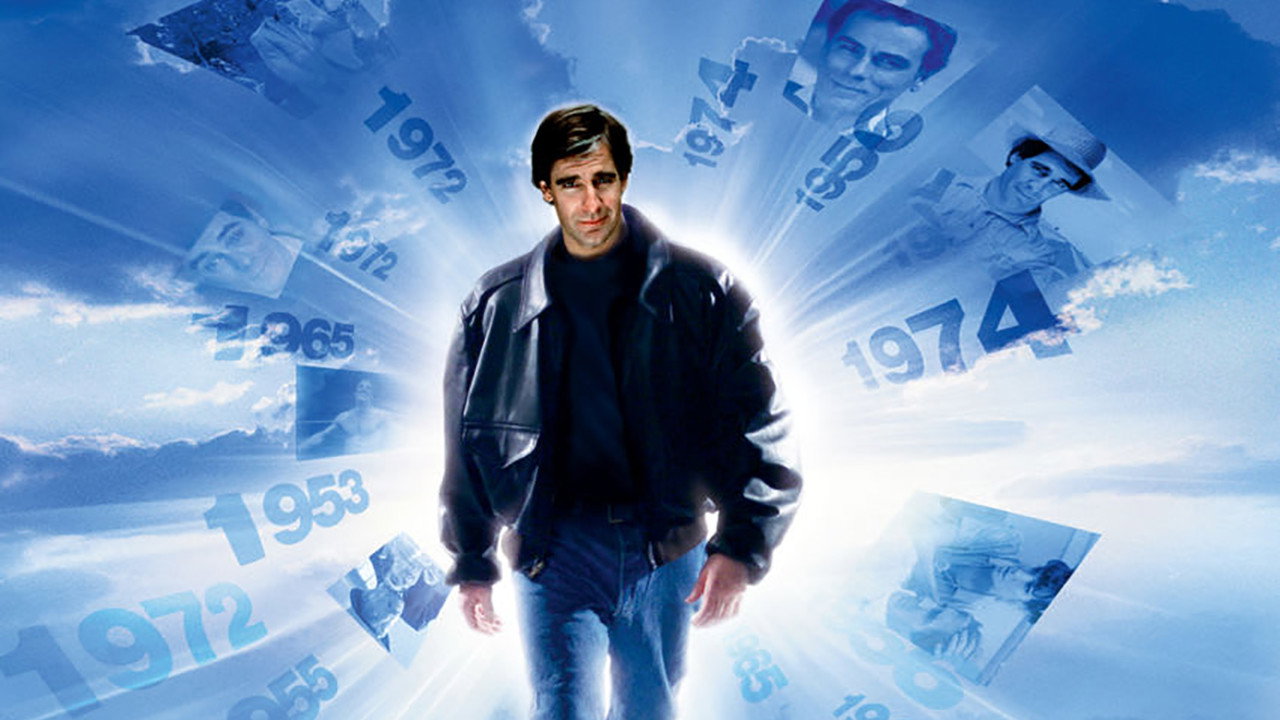
The Ending, Explained
Quantum Leap arrived in 1989 with a tagline that became instant shorthand for surprise: "Oh Boy!" The series mixes sci-fi and fantasy with action, adventure, and drama, earning an 8.0 out of 10 score from 812 voters on our streaming platform. Scott Bakula leads as Dr. Sam Beckett, while Dean Stockwell plays Al. The show's Quantum Leap time travel premise restricts movement to within a single lifetime, which creates a personal scale for every jump and keeps the stakes tied to one man's biography rather than broad historical sweep.
Before we go deeper, it helps to look at sister shows that play with similar ideas. For a broader perspective on wandering protagonists, you might enjoy Doctor Who, which also sends its lead across eras. A complete Quantum Leap explained must account for the fact that Sam is not a tourist but a fixer, driven by an unknown force to improve events he encounters. That distinction separates the program from lighter time fantasy and roots it in moral choice.
The conclusion of the narrative, as framed by the original premise, is not a single closed door but a recurring horizon. Sam theorizes, steps into the accelerator, and vanishes; he wakes trapped in the past facing mirror images that are not his own. The invitation of the ending is the hope that the next leap might be the leap home, and that open promise is what we will unpack without touching the early mechanics that get him there.
What Happens
Theorizing that a person could shift through time inside their own years, Sam entered the Quantum Leap accelerator and disappeared. He awakens in earlier decades, confronted by reflections that do not match his face. This is the core hook, and we won't reveal the early steps that land him in that predicament. Instead, we can address the question many viewers pose: viewers often ask what happens at the end of Quantum Leap, and the premise gives a clear directional answer. Sam continues to bounce from one existence to another, always striving to correct a wrong and always whispering that his next jump might finally return him to his own bed.
Al appears as a hologram visible only to Sam, offering guidance from the present day. Their partnership underscores the isolation of each leap. The structure repeats, but the emotional weight grows as the mission to set history right becomes a definition of Sam's character rather than a temporary accident. An unknown force drives him to change history for the better, suggesting a larger design behind the displacements he endures.
Each installment drops him into a new life, and the drama springs from ordinary people's struggles rather than from grand battles. The action and adventure elements surface when the moment calls for courage, but the spine of the show is the quiet repair of personal mistakes. That rhythm gives the audience a dependable pattern while still allowing surprise in the specifics of every soul Sam inhabits.
The Meaning Behind the Ending
We can unpack the Quantum Leap ending meaning by looking at Sam's hope. The conclusion is less about a final destination and more about the cumulative act of service. Sam's wish that the next leap will be the leap home suggests that home is both a place and a state of resolution. By constantly changing history for the better, he constructs a legacy that outlasts his personal displacement and turns his prison into a purpose.
Another show that explores altered reality and observation is The Outer Limits. Its anthology format contrasts with the serialized redemption arc found here. Still, both remind us that tampering with the past invites moral scrutiny. Sam's unknown force pushes him toward altruism, implying that the universe itself prefers corrected timelines over frozen errors, which adds a gentle optimism to the sci-fi framing.
The significance of the final act, then, is found in repetition. The show teaches that a single corrected mistake matters even if the traveler never settles. An alternate timeline emerges with every successful intervention, quietly rewriting the future without fanfare. That lesson lands because the series never pretends the work is done; the longing for home is the engine, not a reward to be cashed in.
Themes You Might Have Missed
Beyond the obvious mechanics, the narrative leans on the concept of a hologram as a lifeline. Al exists as light and sound, yet his counsel keeps Sam grounded. The earlier Quantum Leap ending explained discussion noted how this bond substitutes for the family Sam left behind. Because only Sam can see and hear Al, the audience shares a secret that every supporting character is denied, tightening the empathy between viewer and lead.
Changing the past or future is presented not as a grand power trip but as a responsibility. The theme of an alternate timeline appears whenever a small kindness reshapes a life, and the show trusts its audience to feel the ripple without needing a chart. Hologram communication, time travel within one lifespan, and the quiet rewriting of history form a triangle that holds the drama together across genres.
Action and adventure peek through when Sam must defend the very people he has come to save, but the drama remains primary. The blend of genres is deliberate: fantasy opens the door, science fiction sets the rule, and human drama supplies the reason to keep moving. That mixture explains why the program still finds new viewers on free streaming decades after its debut.
What We Think of Quantum Leap
The combination of Scott Bakula's earnest performance and Dean Stockwell's playful hologram makes the premise land. We appreciate how the writers avoid turning time travel into a gadget fest. Instead, the focus stays on human moments. Fans of ensemble space opera might also sample Star Trek: Deep Space Nine, which shares a similar balance of character and speculative fiction, though its setting is a station rather than a sequence of borrowed bodies. Both shows prove that sci-fi can thrive on relationships.
The 8.0 rating from over eight hundred votes indicates lasting affection. While we cannot measure runtime from the data, the episodic format clearly gave audiences a reliable rhythm: a new life, a new problem, a small but vital change. The tagline "Oh Boy!" captures the perpetual surprise of waking up as someone else, and the cast sells that dislocation with warmth rather than fear.
Quantum Leap Verdict
Quantum Leap stands as a thoughtful entry in the science fiction catalog. Its blend of genres ensures that adrenaline seekers and drama lovers both find something. The ending, as much as it is explained, is a continuing invitation to believe that putting right what once went wrong is its own reward. If you enjoy stories where the hero fixes the world one step at a time, this 1989 classic deserves a spot on your watchlist. The tagline says it all: "Oh Boy!"—a small phrase carrying the weight of a man thrown into lives not his own, guided by a friend he alone can see, and forever chasing the leap that leads home.