Plus belle la vie (2004): Daily Lives in an Imaginary Marseille
Our recap explains how Plus belle la vie (2004) depicts daily life in Le Mistral, Marseille, where rich and poor meet.
October 26, 2026
The Ending, Explained
When a long-running ensemble piece centers on the ordinary rhythm of a neighborhood, viewers often crave closure. Our take on Plus belle la vie ending explained does not unravel the first episodes, because the early character introductions are best experienced fresh. Instead, we look at how the final stretch of the program handles its central promise: showing the daily lives of people in an invented part of a French port city. The show’s construction leans on repetition and gentle evolution rather than a sudden reversal. That makes the conclusion feel like a pause in a continuing conversation rather than a shut door. The narrative refuses to tie every thread, which suits a story built around habitual encounters. By keeping the focus on presence instead of resolution, the later scenes honor the initial concept. Audiences who arrive expecting a mystery box will instead find a mirror of routine. This is a deliberate stance that rewards patient watching.
Many streaming fans who enjoy multi-character sagas will find a spiritual cousin in Hill Street Blues, a pioneering drama that also juggled dozens of personal plots without neat resolution. Both works trust the viewer to track shifting alliances.
The absence of a traditional climax is not a weakness. Given that the narrative follows residents of le Mistral, an imaginary neighbourhood in the Mediterranean port city of Marseille, the later scenes simply widen the same lens. Wealthy families and those with fewer resources keep crossing paths, and the camera observes without heavy judgment. This approach lets the audience supply their own sense of an ending. The neighborhood itself becomes the protagonist, and its survival past the credits is the quiet victory. Such a structure demands a different critical vocabulary, one based on accumulation rather than payoff.
What Happens
The middle portion of the series deepens the web of relationships, but we will stay silent on those early developments. Without spoiling the opening chapters, we can note that what happens at the end of Plus belle la vie is consistent with its premise: the characters continue to live, argue, laugh, and stumble inside the same sunlit streets. Crime elements surface occasionally, comedy breaks tension, and dramatic beats ground the mix. No fantastical twist arrives to reset the world. The final act simply lets the established patterns breathe. We see familiar faces occupying the same squares, and we understand that life goes on beyond the frame. That continuity is the only resolution offered, and it is enough for the format.
If you prefer a lighter slice-of-life rhythm, A Guy, a Girl offers short comedic sketches about a couple’s everyday misadventures, which can be a pleasant palette cleanser after the Marseille ensemble. The contrast highlights how different shows treat ordinary time.
Because the format thrives on routine, the concluding sequences merely confirm that the district’s social fabric remains intact. The less than rich and the affluent still share bakeries, squares, and disagreements. That steady state is the point. Observers expecting a grand finale will instead receive a soft echo of everything that came before. The show’s confidence lies in knowing that repetition is not emptiness but texture.
The Meaning Behind the Ending
Reading the conclusion through a thematic filter reveals quiet commentary on coexistence. The Plus belle la vie ending meaning rests on the idea that a neighborhood is defined by constant overlap of different fortunes. Rather than resolving inequality, the show presents it as a permanent backdrop. This mirrors real coastal cities where opulence and struggle sit side by side. The choice to keep the imaginary neighbourhood of le Mistral in Marseille anchors that message. The Mediterranean port is a real place known for contrast, and the fiction gently amplifies it. By refusing to send characters off with tidy lessons, the writers trust viewers to sit with ambiguity. The ending therefore means that community is a practice, not a destination.
That practice involves small crimes, small joys, and the persistent meeting of classes. The final tone suggests acceptance rather than defeat. It is a calm statement that the Mistral will keep spinning its human carousel long after the last installment.
Themes You Might Have Missed
A brief Plus belle la vie explained reminder: the logline describes daily lives where wealthy families cross paths with the less than rich. Under that surface sit three genres working together. Drama provides weight, comedy supplies breath, and crime injects disturbance. The interplay suggests that ordinary life is never purely one tone. A street conversation can turn from jest to threat within a scene, and that elasticity is the hidden engine of the series.
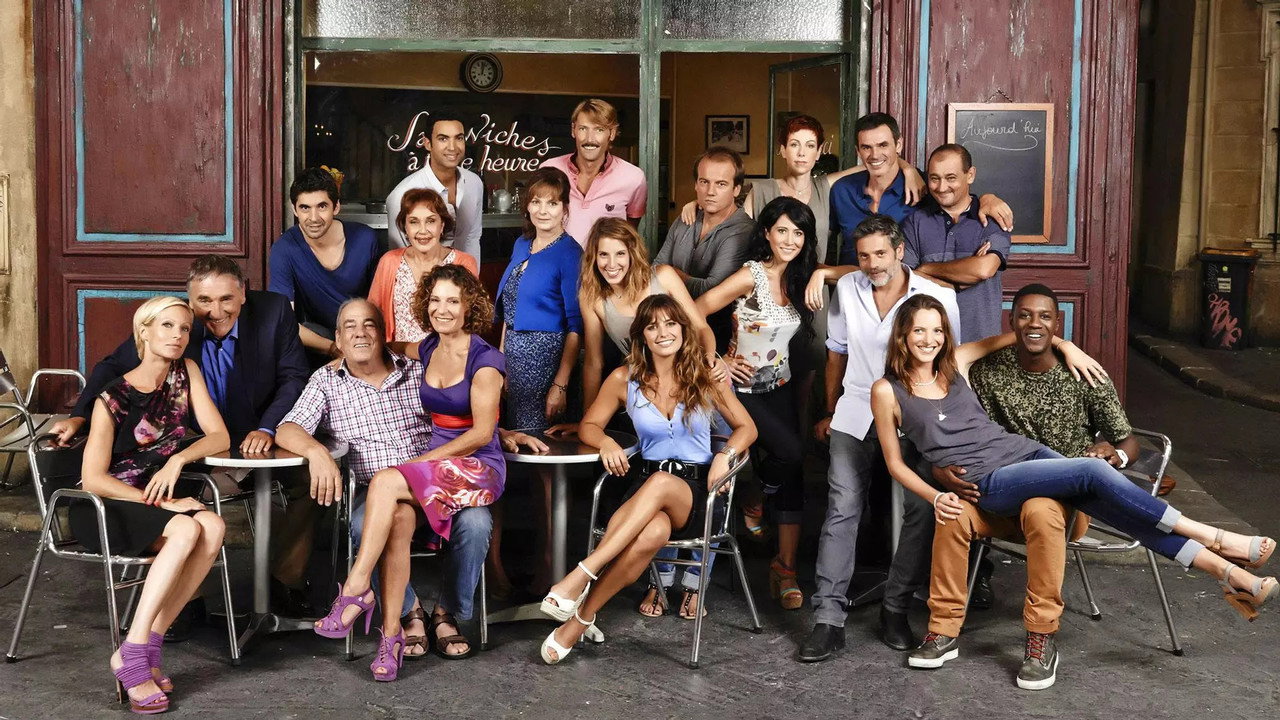
Another subtle thread is the performance ensemble. Actors such as Michel Cordes, Laurent Kerusoré, Éléonore Sarrazin, Cécilia Hornus, Rebecca Hampton, Anne Décis, Serge Dupire, and Sylvie Flepp populate the cast list, and their repeated presence builds a sense of familiarity that mimics actual community bonds. The faces become landmarks of le Mistral. When the ending arrives, we are not saying goodbye to plots but to neighbors.
Viewers who enjoy a procedural crime frame might pair this with Burden of Truth, a series that also examines justice inside tight-knit settings, though with a sharper legal focus. The comparison clarifies how differently two shows can use the crime tag.
How Good Is Plus belle la vie, Really?
Objectively, the aggregated score sits at 4.4 out of 10 across 38 votes. That rating indicates a modest reception among the small pool of reviewers who logged opinions. Such a number should be read with context: a niche French ensemble piece may not attract broad international grading, and the vote count is low. The show’s value often lies in comfort viewing rather than critical acclaim. Comfort, however, is a valid metric. For audiences who want a steady portrayal of neighborhood life without high stakes, the score matters less than the repeatable format. The blend of humor and mild crime keeps tones shifting without whiplash. A low rating from few voters is not a verdict on the warmth found in its routines.
We should also note that the entry provides no director or runtime, which further signals a catalog stub rather than a fully documented film page. That sparseness matches the anonymous, collective feel of the storytelling.
Plus belle la vie Fast Facts
The fictional district of Plus belle la vie Marseille is called le Mistral, an imaginary neighbourhood crafted to host both prosperity and scarcity. Below are the core data points drawn from the entry without embellishment.
- Title: Plus belle la vie (2004)
- Genres: Drama, Comedy, Crime
- Rating: 4.4/10 from 38 votes
- Setting: le Mistral, an imaginary neighbourhood in the Mediterranean port city of Marseille
- Main cast: Michel Cordes, Laurent Kerusoré, Éléonore Sarrazin, Cécilia Hornus, Rebecca Hampton, Anne Décis, Serge Dupire, Sylvie Flepp
While the director and runtime are not listed, the available facts paint a clear picture of a community-driven serial. The daily intersections of classes remain the heartbeat of the project, and the ending—however open—invites reflection on shared urban space. Whether you approach it as a curious viewer or a dedicated binge watcher, the show’s skeleton is consistent: people, place, and the small collisions of fate that define a neighbourhood.