Perry Mason (1957): A Masterful Legal Defense Drama
A look at how Perry Mason (1957) and his staff masterfully defend innocent clients against seemingly impossible criminal charges.
October 23, 2026
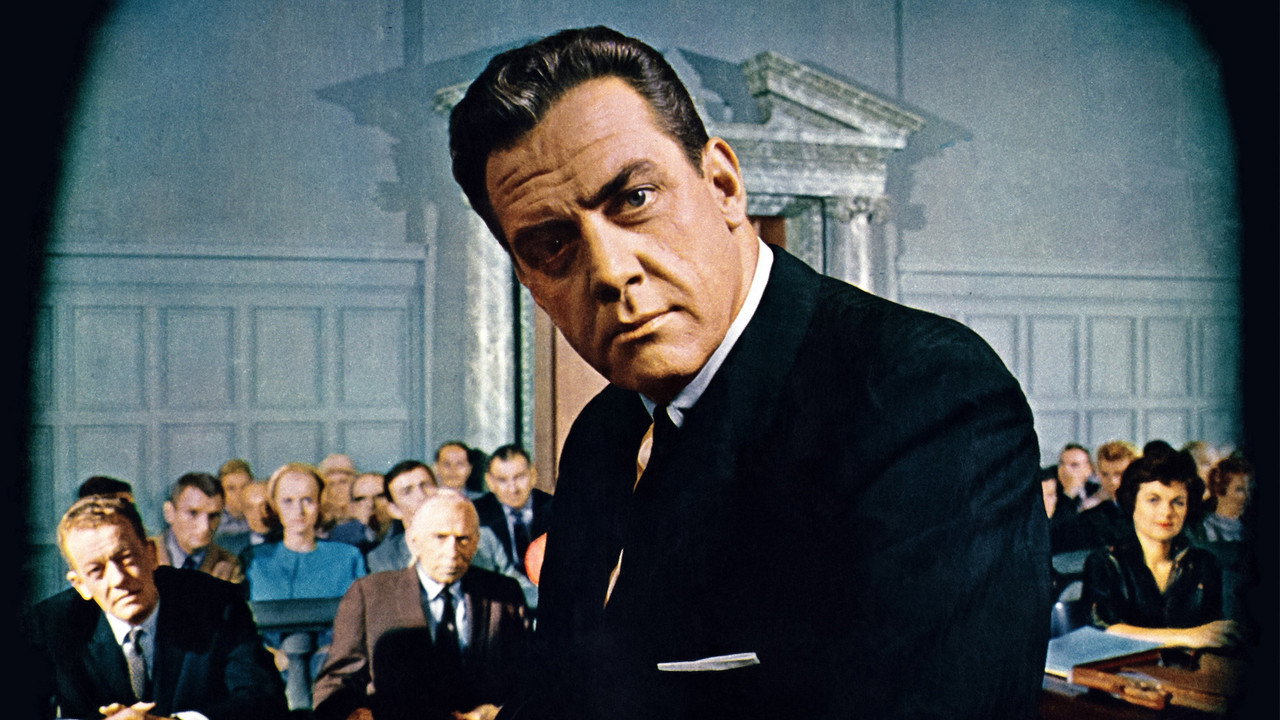
The Ending, Explained
Understanding Perry Mason ending explained helps viewers appreciate the careful construction behind this 1957 mystery drama. The series follows master criminal defense attorney Perry Mason, played by Raymond Burr, as he defends clients caught in seemingly impossible situations. Rather than reveal how each case begins, we focus on the closure that defines the program. In the final moments of a typical story, the courtroom tension peaks when Mason dismantles the prosecution's theory. His staff, including secretary Della Street (Barbara Hale) and investigator Paul Drake (William Hopper), gather the threads that lead to the truth. The opposing side, represented by Hamilton Burger (William Talman) and Lieutenant Tragg (Ray Collins), finds its airtight argument collapsing. This pattern of late reversal is the signature of the show's conclusions.
The atmosphere of the black-and-white era adds weight to these endings. Los Angeles settings and California legal customs ground the fantastical turns in a recognizable reality. While some plot devices stretch credulity, the iconic cast keeps the audience invested. The tagline reminds us that almost anyone is capable of a crime under certain circumstances, a notion that the final act often confirms by exposing ordinary people under pressure.
What Happens
Describing what happens Perry Mason end clarifies the narrative without ruining early developments. As the trial reaches its height, Mason presents a decisive piece of evidence or a line of questioning that forces the actual offender to confess. The client, who sat silently accused through earlier acts, is cleared by the court. This resolution does not rely on luck; it springs from meticulous detective work and legal insight. Paul Drake's background checks and Della's organizational skill feed Mason's courtroom precision. The district attorney's loss is not portrayed as incompetence but as the natural outcome of a smarter defense.
Each conclusion reinforces the bond among the five central figures. Their repeated victories built a template for television law shows that followed. The viewer leaves with a sense that the system, though imperfect, can serve the innocent when guided by a relentless advocate.
The Meaning Behind the Ending
Considering Perry Mason ending meaning adds depth to the experience beyond simple whodunit satisfaction. The final act suggests that justice is less about punishment and more about uncovering context. The tagline's warning about human capacity for crime under certain circumstances becomes the lens: the person who confesses is rarely a cartoon villain but a product of strain and opportunity. Mason's success implies that a good lawyer can be the difference between a wrongful conviction and a healed community. The ending therefore carries a quiet moral that viewers in 1957 and today can both absorb.
The resolution also comments on trust. When the real culprit speaks, the facade of the earlier act shatters. The show respects its audience by allowing the conclusion to feel earned rather than imposed. That respect is a reason the series maintains a rating of 7.709 out of 10 from 141 votes on streaming platforms.
Themes You Might Have Missed
Reviewing Perry Mason mystery cases highlights the detective work woven through the legal drama. Beyond the courtroom, the stories are steeped in classic detective tropes: hidden motives, alibis, and physical evidence. The source material, based on novel or book traditions, lends a literary structure to each installment. Los Angeles and California serve not just as backdrops but as characters that shape the crimes. Themes of professional duty appear in Mason's unwavering commitment and in Della's loyalty. Even the opposing counsel, Burger, embodies a respectful adversarial process rather than petty malice.
If you enjoy this blend of investigation and law, you may also like Thorne, a modern series that keeps the detective spirit alive while updating the setting.
Final Verdict on Perry Mason
Watching Perry Mason explained reveals the legal strategy that makes the old format feel fresh. The combination of mystery, drama, and crime genres creates a steady pace that rewards attention. Raymond Burr's portrayal anchors the ensemble, and the supporting cast delivers performances that have become iconic. The show's ability to manufacture tension without modern effects speaks to writing and acting. For fans of vintage television, Ironside offers a similarly iconic lead performance within a procedural frame, making it a worthwhile companion watch.
The rating of 7.709/10 reflects a cult but solid appreciation. New viewers arriving through free streaming will find the endings satisfying and the themes surprisingly mature. The series never mocks the audience; it invites them to play along and then surpasses expectations in the final act.
Perry Mason Key Details
For quick reference, here are the core facts about the program. The main cast features Raymond Burr, Barbara Hale, William Hopper, William Talman, and Ray Collins. Genres include mystery, drama, and crime. The tagline states that almost anyone is capable of a crime under certain circumstances. The plot summary notes the cases of a master criminal defense attorney and his staff who handled the most difficult matters in aid of the innocent. Viewers seeking more courtroom tension can also explore Targeted for Murder, a recent title available on our platform.
- Year: 1957
- Lead actor: Raymond Burr as Perry Mason
- Supporting: Barbara Hale, William Hopper, William Talman, Ray Collins
- Setting keywords: Los Angeles, California, lawyer, criminal lawyer
- Source: Based on novel or book traditions
The enduring appeal lies in how each ending confirms the value of due process. Whether you analyze the structure or simply enjoy the performances, the show remains a benchmark for television crime storytelling.