Peppa Pig (2004): Jumping in Puddles with Joy
Peppa Pig (2004) follows an energetic piggy who loves mud puddles and snorts, living with her family in gentle preschool tales.
October 22, 2026
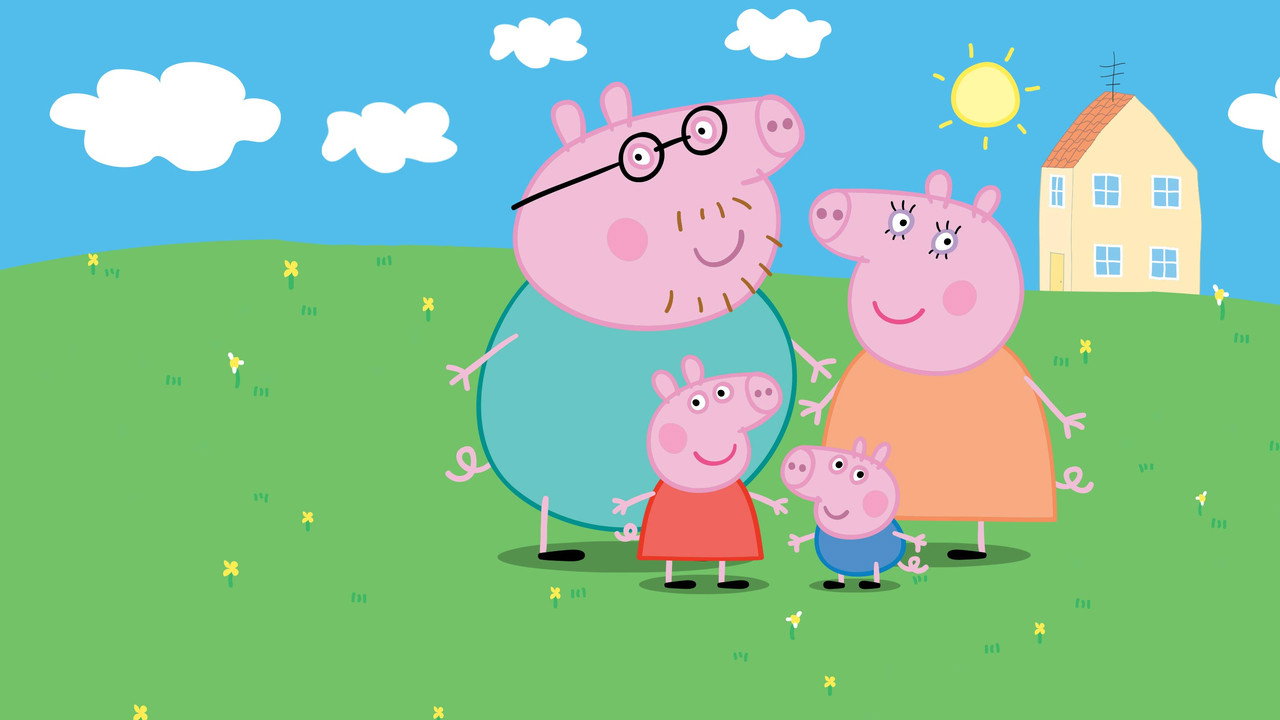
The Ending, Explained
When a show runs as an episodic children's cartoon, the conclusion of any given story beat can feel gentle rather than dramatic. Our Peppa Pig ending explained approach looks at how the series wraps its modest narratives. The program centers on an energetic piggy who shares a home with Mummy, Daddy, and little brother George. Rather than unveiling a twist, the final moments typically reaffirm the warmth of family play. For viewers who enjoy gentle preschool animation, a comparable title worth browsing is Mickey Mouse Clubhouse, which also builds short, reassuring closures.
Because the source material is built for very young audiences, the structure avoids cliffhangers. Each chapter stands alone, meaning the "ending" we discuss is more of a recurring pattern than a single event. The animation style stays bright and uncluttered, matching the simplicity of the messages. In this space, explanation means describing the rhythm. The piggy's world is small by design, and that is a deliberate choice to keep attention spans comfortable.
We should note that the absence of a serialized finale means our breakdown does not spoil early setup. Instead, we observe that the close of an episode often mirrors its opening calm. The family remains intact, the mood stays light, and the laughter continues. This cyclic form is common in programming rated for children under the age of six, where repetition builds recognition.
What Happens
To understand what happens at Peppa Pig end, it helps to remember that the format favors repetition over progression. Each installment introduces a small activity, then circles back to the characters we already know. The piggy loves to jump in mud puddles and make loud snorting noises, and that habit often surfaces near the close. No grand conflict arises; instead, the household settles into the rhythms of kind interaction. The voice cast, including John Sparkes and Morwenna Banks, supports this calm cadence with light, cheerful performances that never push tension.
George remains a quiet companion, while the parents provide gentle guidance. The show does not require viewers to recall previous events, so the final act of any given story simply confirms that the characters are exactly where they belong. This is a deliberate narrative economy. By not piling up subplots, the series lets its audience focus on language, sounds, and basic social cues.
Observing the ensemble as a whole, we see names like Richard Ridings, Amelie Bea Smith, Alice May, Frances White, David Rintoul, and David Graham contributing to the friendly audio landscape. Their work ensures that the closing minutes feel like a return home rather than a departure. The predictability is not a flaw but a feature for the target demographic.
The Meaning Behind the Ending
The Peppa Pig ending meaning is less about resolving a plot than about validating a child's everyday joys. By returning to simple pleasures, the show tells its audience that home is a safe place where curiosity is welcomed. The rating of 6.523/10 across 769 votes suggests that older viewers may find the loop uneventful, yet for its target age group the predictability is the point. A narrative that ends where it began teaches continuity, not climax. This is a cartoon built on the assurance that tomorrow will look a lot like today, and that is perfectly fine.
Looking deeper, the recurring return to family unity carries a subtle lesson about emotional regulation. When the piggy finishes her play, she is not punished or rushed; she is accepted. That modeled acceptance can help young minds associate home with security. Themes of animals living as humans further soften the boundary between viewer and character, making the lessons feel personal.
We can also read the close of each tale as a small celebration of routine. In a world where children have little control, seeing a story that reliably resolves in warmth gives them a sense of order. The show's moderate score among general voters reflects its narrow but clear purpose. It does not try to be everything; it tries to be a dependable friend.
Themes You Might Have Missed
Because the episodes are brief, some softer messages slip by. For a newcomer, Peppa Pig explained is not just a description of a pig who snorts; it is a study in family dynamics. Themes of animals living as humans, the value of outdoor play, and sibling friendship run underneath. The recurring Peppa Pig mud puddles act as a symbol of unrestrained childhood exploration. If you want another gentle animal-centric series, Clifford the Big Red Dog offers a similar blend of kindness and life lessons for young audiences.
Another quiet motif is the use of sound. The loud snorting noises are not just comedy; they represent a child's right to be noisy and free. In a society that often shushes young ones, the cartoon validates exuberance. The genre tags of animation and kids confirm that the product is crafted for learning through laughter rather than through stakes.
Furthermore, the constellation of characters around the central family introduces varied friendships without complexity. This mirrors a child's expanding social circle. The show's ability to keep these interactions light while still showing care is a crafted skill. Missing these layers is easy if one expects a traditional story arc, but they are present in every gentle beat.
Peppa Pig: The Bottom Line
Assessing the series as a whole, we see a modest but functional entry in preschool programming. The cast list featuring Richard Ridings, Amelie Bea Smith, Alice May, Frances White, David Rintoul, and David Graham rounds out a consistent ensemble. While the show may not aim for complex storytelling, its commitment to a calm household atmosphere has kept it streaming for years. Those who appreciate verbal play might also enjoy Martha Speaks, a separate cartoon that plays with language in a different key. Both titles respect a young viewer's pace.
The numeric reception of 6.523/10 from 769 votes places it within a reasonable band for family fare that divides adult critics from child viewers. We should interpret that score as a reflection of audience mismatch. For its intended listeners, the program delivers exactly what is promised: a pig family and some mud.
Peppa Pig in Short
Summing up, the production remains a straightforward cartoon about a pig family that values play and togetherness. The energetic lead enjoys bouncing through muddy patches and laughing with her brother. Though the structured episodes do not build a sweeping arc, the comfort they provide is real. Parents looking for quiet screen time will find exactly that here. The blend of animal characters and human-like routines makes the world approachable. In the end, the show's gentle repetitions are its strength, offering a reliable backdrop for early childhood viewing.