Peaky Blinders (2013): A Gangster Epic in 1919 Birmingham
Peaky Blinders (2013) follows Tommy Shelby's Birmingham gang as they sew razor blades in their caps and fight to move up in the world.
October 25, 2026
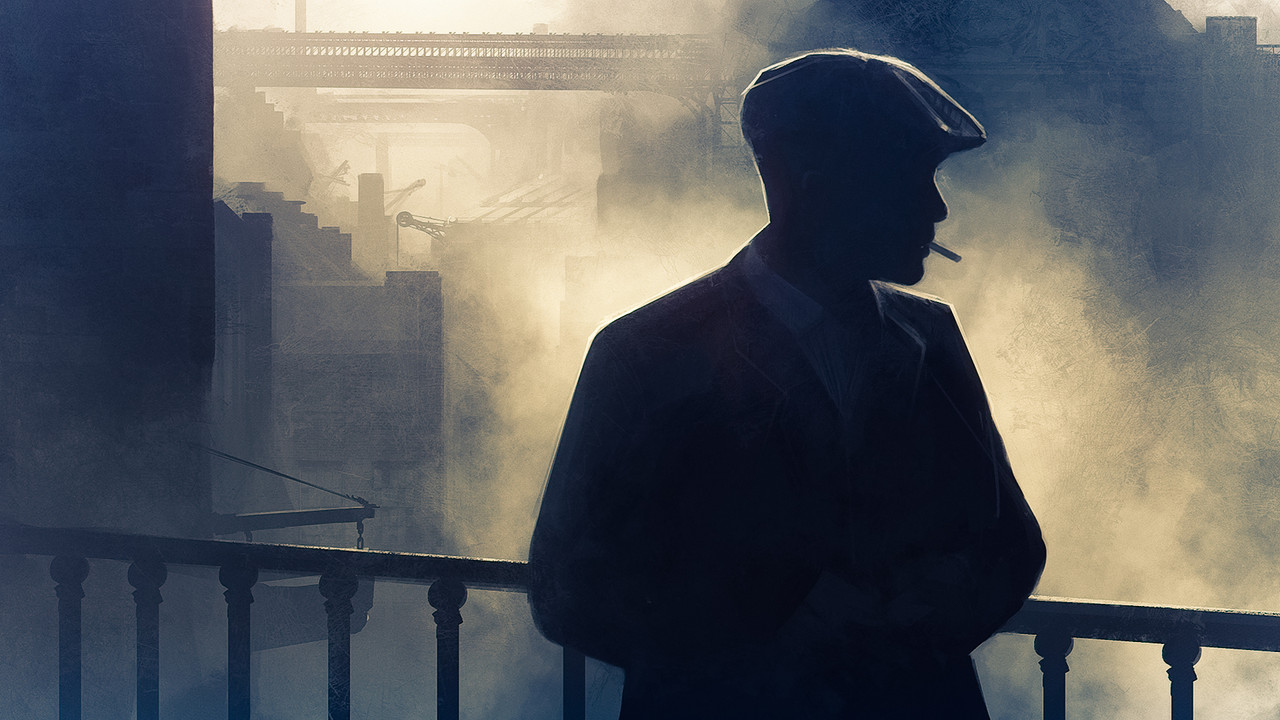
The Ending, Explained
When people look back at Peaky Blinders 2013, they often remember the magnetic presence of Cillian Murphy as Tommy Shelby, the fierce boss of a Birmingham gang. The series is a drama crime period piece set in 1919 England, and its tagline promises that London's for the taking. Without walking through the early episodes, we can focus on the closing movement of this gangster family epic. The final act brings Tommy's intention to move up in the world to a head, showing what it costs to run a protection racket and to live as an outlaw in a time of sweeping change.
The conclusion of the show does not rely on a single twist. Instead, it resolves the long tension between the gang's brutal methods and their desire for respectability. Razor blades sewn into the peaks of caps become a symbol of an older, rougher way of life that confronts modern corruption and drugs flowing into the city. For viewers who enjoy this historical criminal landscape, Gangs of London (2020) presents a contemporary echo of territorial struggle.
What makes the ending significant is how it frames the Shelby family's place in British history. The story is a period drama rooted in real social currents, and the last stretch underscores that every murder and deal shapes the future of the gang. Tommy's ambition is never just personal; it is tied to the fate of a gypsy heritage and a community scarred by war.
What Happens
The plot summary tells us that the show centers on a gang who sew razor blades in the peaks of their caps, and their fierce boss means to move up in the world. As the narrative progresses toward its later chapters, the focus stays on protection rackets, criminal enterprise, and the friction with larger powers. We see Paul Anderson, Sophie Rundle, and Natasha O'Keeffe among the cast who populate this world, each drawn into the fallout of Tommy's designs.
Because we are avoiding the first act, it is enough to say that the middle and closing blocks of the epic widen the scope from Birmingham to broader national stakes. The gangster outfit faces enemies who represent institutional corruption, and the outlaw mindset is tested by betrayal and shifting alliances. If you want a tighter story about a single promise between criminals, The Oath (2018) delivers a concentrated dose of similar moral weight.
By the time the final scenes arrive, the viewer understands that the movement of razor-wielding misfits into positions of influence is both a triumph and a tragedy. The historical setting of 1919 England means that the consequences ripple beyond one family, touching the broader fabric of a nation rebuilding after conflict.
The Meaning Behind the Ending
A thoughtful Peaky Blinders review will point out that the last act is less about who survives and more about what the Shelby name comes to represent. The meaning behind the ending rests on the tension between upward mobility and the weight of criminal acts. Tommy Shelby's climb is enabled by murder, drugs, and corruption, yet the show treats these as part of a larger British history rather than simple villains.
The finale suggests that taking London, as the tagline vows, is possible only by accepting the toll of being an outlaw. The protection racket that built the gang becomes the very thing that limits their peace. In this way, the ending closes the loop on the period drama's central question: can a gangster become a gentleman without losing his soul?
We also see the gypsy thread woven into the resolution. Themes of heritage and belonging give the final moments a melancholy edge, reminding us that the characters are products of a specific time and place. The rating of 8.525 out of 10 from over eleven thousand votes indicates how many viewers connected with this bittersweet closure.
Themes You Might Have Missed
Beyond the obvious crime and violence, the series quietly develops a rich set of motifs. The following elements deserve a second look:
- England as a post-war society where old orders collapse.
- Gypsy identity informing the Shelby family's worldview and rituals.
- Corruption that reaches from street corners to halls of power.
- Gangster loyalty tested by ambition and law.
- Outlaw status as both freedom and curse.
- Murder as currency in a protection economy.
- Drugs entering the underworld as a new battleground.
- Criminal enterprise dressed in period suits.
- Period drama aesthetics masking harsh historical truth.
- Historical touchstones that ground the fiction.
- British history woven through every deal and duel.
- Protection racket as the original engine of the family's rise.
These threads are easy to overlook when the surface story moves quickly. Yet they give the ending its resonance. For a different but equally layered crime saga, MobLand (2025) explores corruption across another family network.
The Bottom Line on Peaky Blinders
The show stands as a Drama and Crime entry that earned a strong 8.525/10 score across 11474 votes. Its tagline, London's for the taking, sums up the appetite of Tommy Shelby and his peers. The final act rewards patience by paying off the long construction of a gangster family epic set in 1919 Birmingham. Viewers who appreciate historical depth and criminal tension will find much to admire.
While we have not detailed the opening maneuvers, the breakdown above should help you appreciate the closure. The combination of Cillian Murphy's lead performance and the supporting cast creates a textured portrait of a protection racket evolving into something larger. Themes of corruption and british history ensure the story lingers after the last frame.
Peaky Blinders in Short
In short, this is a period drama about a Birmingham gang with razor blades in their caps, led by a fierce boss determined to move up. The ending explained here shows that the final act is a meditation on cost of crime and the pull of heritage. With its blend of gangster action, historical setting, and family loyalty, the series remains a standout for streaming audiences seeking substance with their crime stories.
Whether you arrive for the tagline or the rating, the experience is cohesive. The approved links to similar titles can extend your watchlist, but the core takeaway is that the Shelby saga uses its 1919 England backdrop to ask timeless questions about power and identity.