Passions (1999): How Love and Magic Coexisted in Harmony
A complete walkthrough of Passions (1999) ending, its meaning, themes, and recap for the supernatural soap opera fans.
October 24, 2026
The Ending, Explained
When a long-running series leaves the air, audiences naturally seek clarity about how the closure came to be. The soap, sci-fi and fantasy categorization meant that viewers expected both heartfelt confessions and unexplained phenomena within the same hour. Our Passions ending explained walkthrough begins not with the fictional events of Harmony but with the real-world timeline that concluded the broadcast. The program was an American television soap opera that premiered on NBC on July 5, 1999, carrying the tagline "Follow your heart (if you dare)." That phrase encapsulated the daring mixtures of passion and sorcery the writers pursued. From the start it merged the daily cadence of a serial with sci-fi and fantasy fringes, a combination that distinguished it from traditional daytime television. After eight years on the network, the NBC portion of its run ended on September 7, 2007. The narrative then shifted to DirecTV's exclusive channel The 101 Network, where new episodes resumed on September 17, 2007. However, in December 2007 the satellite provider opted not to renew its contract. Consequently, the studio was unable to sell the show elsewhere, and the final episode aired on August 7, 2008. This external conclusion is the practical ending that viewers encountered, and it frames any interpretation of the show's final act without revisiting the early chapters that set up the town's dynamics.
What Happens
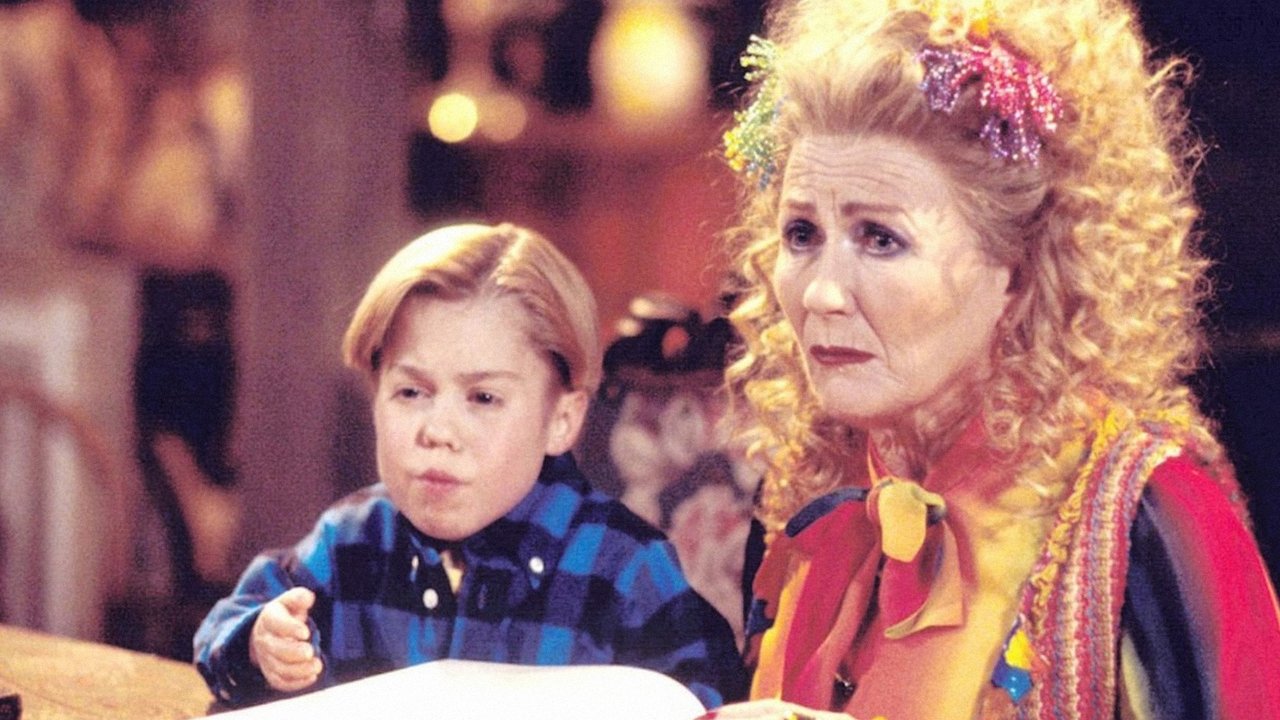
The last stretch of the schedule saw the residents of the fictional town of Harmony continuing their interconnected lives, loves, and paranormal adventures. Fans still debate what happens at the end of Passions, though the official record shows the series simply reached its terminal broadcast without a subsequent pickup. The multi-racial core families—the African American Russells, white Cranes and Bennetts, and half-Mexican half-Irish Lopez-Fitzgeralds—had been central to the interplay of romance and mysticism, with the town witch Tabitha Lenox weaving supernatural chaos into daily life. Storylines centered on the interactions among these groups, ensuring that cultural background shaped the romantic and paranormal plots. When DirecTV stepped away, production halted, leaving the narrative suspended at that final installment. The principal cast, including Lindsay Hartley, Juliet Mills, Kim Johnston Ulrich, McKenzie Westmore, Galen Gering, Eva Tamargo, Ben Masters, and James Hyde, had carried these stories through many twists. Their performances gave weight to the unusual premise, grounding the magic in recognizable emotion. For those who enjoy comparable daytime drama lineages, Days of Our Lives (1965) offers a similarly enduring look at intergenerational storytelling, though its continuity has followed a different path.
The Meaning Behind the Ending
Understanding the Passions ending meaning requires looking at the core families and the symbolic role of the supernatural. The series always balanced soap-opera intimacy with sci-fi and fantasy elements, and its conclusion underscores how fragile such hybrid programming can be in a shifting television landscape. The broader context of Passions explained reveals that creator James E. Reilly crafted a world where heritage and magic collided; the exit from the air does not erase the thematic resonance of those collisions. The final act's significance lies in the reminder that love triangles and paranormal threats alike are subject to the economics of broadcast. Yet the show's tagline, "Follow your heart (if you dare)," persists as a lens for the characters' choices throughout the run. A love triangle remained a recurring current, showing that emotional risk was the true constant even as the platform changed. Even as the medium changed, the human connections remained the anchor for the fantastical elements.
Themes You Might Have Missed
Beyond the obvious romance, several undercurrents deserve attention. The ensemble intentionally showcased a multi-racial community, uniting African American, white, and half-Mexican half-Irish lineages within the same small town. This diversity was not merely decorative but fueled the romantic and paranormal adventures that defined the setting.
- A recurring love triangle dynamic kept tensions high among the Bennett and Lopez-Fitzgerald circles.
- The presence of Tabitha Lenox as a witch injected fantasy into otherwise earthly conflicts, blurring genre lines.
- The Cranes represented wealth and legacy, often opposing the more grounded Russell family in matters of power.
- Created by James E. Reilly and produced by NBC Studios, the show treated supernatural elements as everyday occurrences.
The paranormal was never a sideshow; it was intertwined with inheritance and identity. Such layers show that the program was more than a standard daytime serial; it was a genre experiment wrapped in a soap format, inviting viewers to accept magic as part of domestic life.
What We Think of Passions
The rating of 6.9 out of 10 from a small voting pool suggests a niche but devoted reception. We find that the blend of genres remains its strongest selling point. You can watch the Passions NBC soap opera without subscription on our streaming collection, and we encourage newcomers to sample the early Harmony episodes to appreciate the slow build of its identity. The cast committed to the heightened reality with conviction, making the fantastical threads feel personal. If you appreciate anthology-style fantasy framed by human emotion, Fantasy Island (1978) presents a complementary tone, mixing wish fulfillment with moral lessons in a different setting. The show's willingness to follow its tagline and dare the audience keeps it relevant for curious streamers. The combination of everyday drama and otherworldly visits makes the series a curious artifact of late-1990s television ambition.
Passions Recap
This Passions explained recap has traced the path from a 1999 NBC debut to a 2008 satellite finale. The show's journey highlights the vulnerability of innovative serials when distributors change priorities. Throughout its airing, the residents of Harmony navigated love, betrayal, and magic, with the Lopez-Fitzgerald clan often at the center of cross-cultural romance. While the last episode did not resolve every thread due to cancellation, the existing body of work stands as a distinctive entry in television history. For viewers seeking a more recent supernatural ensemble, Motherland: Fort Salem (2020) extends the tradition of witches within familial and military structures. The legacy of the Passions NBC soap opera continues through fan discussions and the available archives, proving that a cancelled broadcast can still spark conversation long after the final credit. Although only ten votes shape the current score, the cultural footprint extends beyond numbers.