Ninja Boy Rantaro (1993): Daily Life at a Ninja School for Kids
A lighthearted 1993 animated comedy following three ninja apprentices whose love for food and fun outweighs their training.
October 21, 2026
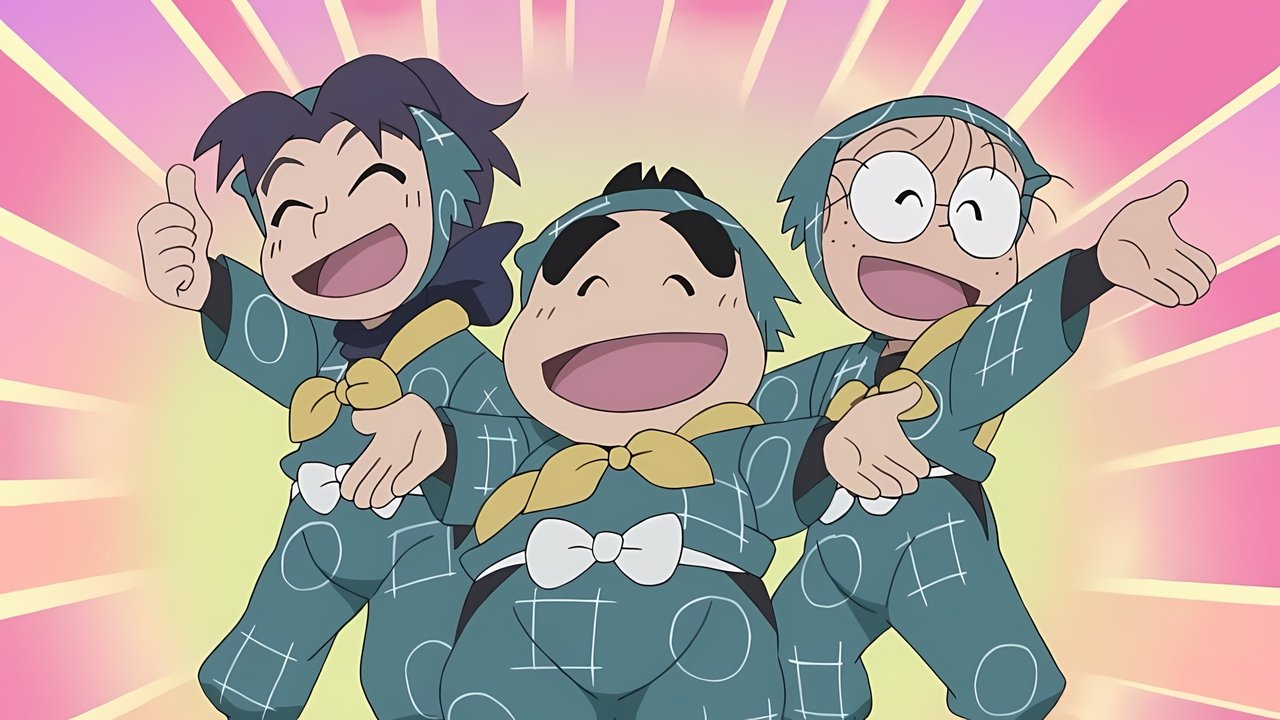
The Ending, Explained
The conclusion of this animated comedy about apprentice shinobi does not rely on a shocking twist. Instead, the series finale, Ninja Boy Rantaro ending explained, simply reinforces the daily life at the academy where Rantarō, Shinbei and Kirimaru train. Viewers who have followed the boys through their lighter priorities will notice that the final act keeps the same gentle pace. Director Tsutomu Shibayama crafted a show that values routine over climax. The rating of 6.8 out of 10 from a small group of twenty three voters suggests a cult charm rather than mainstream explosion. We avoid detailing the early episodes so that new fans can discover the first act fresh. The last scenes mirror the overall plot summary: the Nintamas remain more interested in food, money, and play than in strict ninja studies. That choice is the whole point of the breakdown.
Throughout the run, the friendship between the three leads carries every small adventure. The show’s format as a kids’ animation from the sengoku period setting allows a historical backdrop without heavy seriousness. While we cannot reveal the opening missions, we can say the wrap-up feels like a soft bow on a school year. It does not abandon the comedy or the family audience. Instead, it hugs the established tone.
What Happens
The later portion of the program, what happens end Ninja Boy Rantaro, keeps the same playful rhythm that defined the everyday adventures of our heroes. The trio of first grade students at the Ninja Gakuen, called Nintamas, continue to stumble through lessons while dreaming of snacks and coins. No grand betrayal or dark turn arrives to upset the format. The series shows the everyday adventures of our heroes, and that statement applies just as well to the final chapters as to the middle ones. Because the source material is based on a manga, the adaptation preserves slice of life beats. We see the boys balancing shallow training with deep bonding. Their antics around campus illustrate why the show sits in comedy, action, and adventure genres while staying kid friendly.
Without spoiling the first act, it is safe to note that the closing frames do not rewrite the characters. Rantarō, Shinbei and Kirimaru are still the same lazy but lovable apprentices. The absence of a convoluted finale is a strength for a family audience. Parents can sit with children and enjoy the harmless humor. The animation style supports the lighthearted school life theme. Even the sengoku period elements stay background decoration rather than conflict drivers.
The Meaning Behind the Ending
A viewer’s takeaway, Ninja Boy Rantaro ending meaning, centers on friendship over mission. The final act signals that becoming a perfect ninja is less important than sharing meals and laughter with your brothers in arms. This meaning resonates because the plot summary explicitly states that for our heroes, money, food or playing are more interesting than learning everything a ninja must know. The significance of the closing segment is that it validates childhood priorities. In a genre often obsessed with battles, this anime chooses warmth. The rating of 6.8 out of 10 may reflect that some viewers wanted more action, but the show’s quiet message is clear. Growing up in a sengoku period ninja school does not have to mean losing your sense of fun.
The deliberate lack of a high stakes conclusion also mirrors the source manga’s relaxed structure. Themes of school life and trio camaraderie get a final gentle nod. We think the ending meaning is enhanced by the fact that the series never pretended to be a tight thriller. It is a family animation about friends.
Themes You Might Have Missed
The broader pattern, Ninja Boy Rantaro explained, grows from the manga’s light touch and the animation’s focus on small moments. Several motifs weave through the episodes without loud announcement.
- Friendship: The bond among Rantarō, Shinbei and Kirimaru outweighs any lesson plan.
- Ninja: The setting uses shinobi tropes but bends them for comedy.
- Based on manga: The original print source keeps the slice of life tone.
- School life: Ninja Gakuen functions as a playful boarding school.
- Sengoku period: Historical backdrop adds costume flavor without war.
- Anime: Classic nineties Japanese animation style for kids.
- Comedy: Slapstick and gentle irony dominate.
- Trio: The three boy dynamic drives every story.
These threads appear in both early and late scenes, so noticing them enriches the final act. The themes are not hidden behind metaphor; they are simply easy to overlook when you are laughing at a food chase.
What We Think of Ninja Boy Rantaro
The original broadcast, Ninja Boy Rantaro 1993, set a template for kid ninja comedies that later titles would follow. Our impression is that the show’s modest score of 6.8 from twenty three votes underrates its consistency. It is a family animation that knows exactly what it is. The director Tsutomu Shibayama delivered a stable tone across the run. For viewers who enjoy relaxed adventure, this is a comfortable watch. If you like modern shinobi stories, you might also appreciate Boruto: Naruto Next Generations, which expands the ninja idea into longer arcs. Likewise, the western take in Ninja Turtles: The Next Mutation offers a different flavor of hero trio. Both are fun contrasts to the sengoku schoolyard here.
We also recommend the sitcom 227 for audiences who enjoy everyday character comedy without needing battle stakes. While not a ninja show, its neighborhood warmth mirrors the Nintamas’ focus on relationships.
Ninja Boy Rantaro Highlights
Several elements make the series worth a stream on our free site. The first is the trio itself: Rantarō, Shinbei and Kirimaru form a classic comedy unit where each boy covers a different silly angle. Another highlight is the Ninja Gakuen setting, which mashes sengoku period aesthetics with classroom routines. The animation, though from Ninja Boy Rantaro 1993, holds a cheerful palette that suits family viewing. Action and adventure tags appear in playful spars rather than bloody conflicts. The manga roots show in clean situational setups. Finally, the everyday adventures of our heroes provide a low pressure watch that respects children’s humor. The show’s ability to keep money, food, and playing as core motivations is a refreshing counter to intense shonen formulas.
Overall, the breakdown above shows that the ending is not a puzzle but a compliment to the premise. The final act, explained without first act spoilers, leaves the Nintamas exactly where they belong: together, distracted, and happy. That is the real highlight.