Never After Dark (2026): A Psychic's Confrontation with Evil
A traveling psychic faces a deadly threat from an unexpected source when she encounters a powerful entity at a remote house.
November 9, 2026
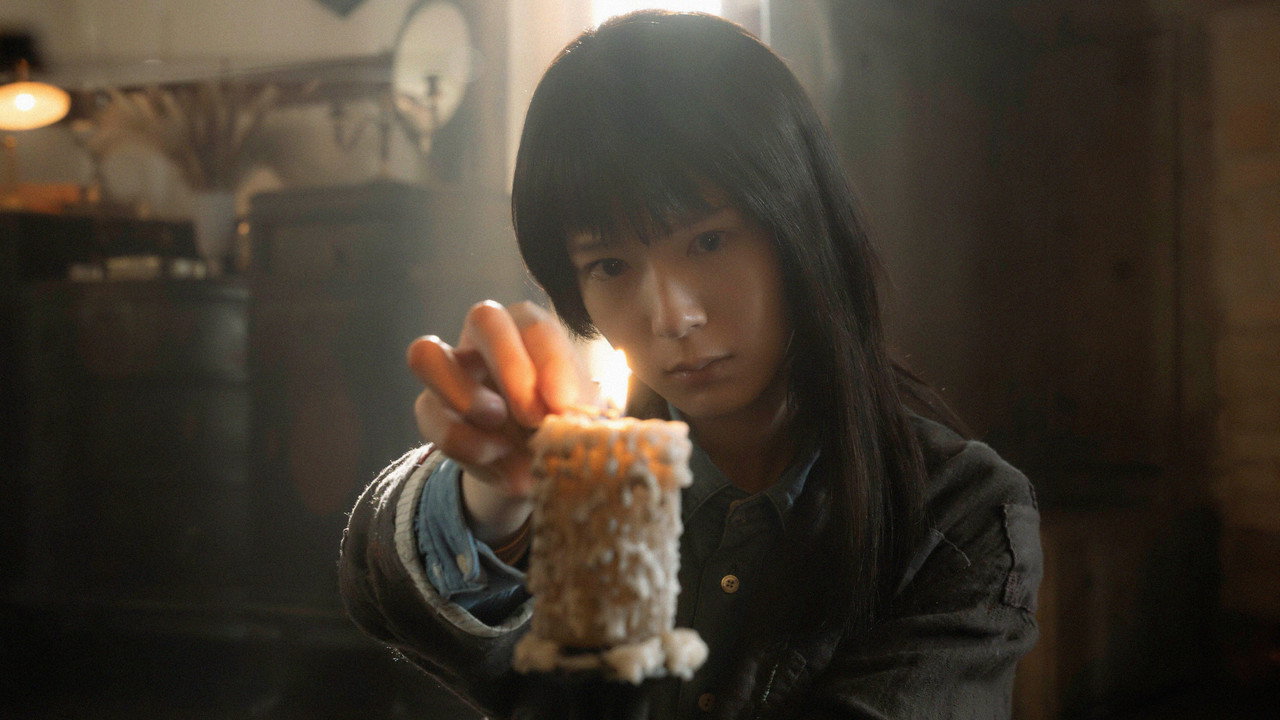
The Ending, Explained
Never After Dark arrived in 2026 as a tight 104 minute horror feature from director Dave Boyle. The film follows a traveling psychic who helps lost souls cross over, and it builds to a confrontation with a powerful entity at a remote house. In this breakdown we keep the early setup under wraps, focusing only on the back half. The section Never After Dark ending explained below will only reference events from the final act, so readers who haven't finished can still browse safely.
The rating currently sits at a modest 7.1 out of 10 from 31 votes, which suggests a niche but appreciative audience. Dave Boyle paces the story so that the last thirty minutes carry the heaviest emotional weight. Our goal is to clarify what the closure signifies without detailing the opening investigation.
What Happens
By the time the narrative reaches the remote property, the protagonist's routine of guiding spirits has been upended. She encounters a forceful presence that resists the usual crossing over. The report Never After Dark entity origins outlines how the entity is connected to the house's buried history. While she probes that backstory, she uncovers dark secrets about the people who lived there.
The climax intensifies when the danger shifts shape. The summary Never After Dark end what happens covers the sequence where a deadly threat emerges from an unexpected source. This turn reconfigures earlier conversations, showing that not every companion is harmless. The psychic must use her abilities not just to comfort the dead, but to survive the living. The entity's pressure builds as the psychic realizes the house holds more than memories.
Without revealing the first act, we can say the final confrontation hinges on knowledge she gains about the location. The remote house becomes a pressure cooker, and the intense atmosphere matches the film's overall tone. Viewers who appreciate slow burn horror will find the payoff earned. The resolution leaves room for interpretation but confirms that the unexpected source of danger was present all along.
The Meaning Behind the Ending
The finale is richer than a simple scare. The essay Never After Dark ending meaning argues that the closing moments are about accepting unresolved grief. The psychic's journey mirrors the souls she aids: each must let go of the past to move forward. When the unexpected threat arrives, it symbolizes how denial can fester into something lethal. Another angle is the cost of avoidance, since the dark secrets represent unspoken truths in any close community.
Boyle uses the entity as a mirror for hidden guilt. The dark secrets uncovered near the end reframe the entire visit as a trial of honesty. Rather than a twist for shock value, the resolution stresses personal accountability. That thematic core is why the film resonates with the 31 voters who graded it 7.1.
We should also note the traveling nature of the lead. Her constant movement contrasts the static house, and the ending suggests that some places refuse to release their hold. The meaning therefore extends to the idea that no one is ever truly a stranger to their own history.
Themes You Might Have Missed
Beyond the surface frights, the movie wraps itself in quiet dread. The guide Never After Dark explained highlights the recurring motif of misplaced trust. Several interactions that seem helpful earlier gain new weight once the source of the threat is clear. This layered writing rewards a second viewing. Notice the sound design as well; silence is used as a weapon and the camera lingers on doorways.
The keyword intense applies perfectly to the tonal shifts. Scenes oscillate between calm séance whispers and sudden violence. Another subtle thread is the commodification of grief; the psychic earns her living from loss, yet the house exploits that same vulnerability. These ideas sit in the background while the plot drives forward.
Pay attention to the supporting cast as well. Moeka Hoshi and Kurumi Inagaki contribute to the eerie ensemble, alongside Kento Kaku, Tae Kimura, Mutsuo Yoshioka, and Bokuzo Masana. Their reactions often hint at the secrets before the script states them outright.
How Good Is Never After Dark, Really?
Objectively, the numbers are small but promising. A 7.1 rating from 31 votes indicates a focused group of horror fans found value. Dave Boyle's direction keeps the 104 minute runtime from dragging, and the remote house setting feels claustrophobic despite open spaces. The film does not rely on jump scares alone, which helps it stand apart.
If you enjoy this brand of supernatural tension, you may also like Die Alone, a 2024 release with a similarly grim tone. The two films share a preference for practical menace over spectacle.
Another worthwhile pick is You're Not Alone, a 2020 feature that also deals with unseen forces surrounding a solitary protagonist. Fans of character-driven scares will appreciate both.
For those who prefer older cult scares, The Evil from 1978 remains a strong companion viewing. Its haunted house lineage connects loosely to the themes explored in Never After Dark.
Never After Dark Overview
To recap, Never After Dark is a 2026 horror movie directed by Dave Boyle. It runs 104 minutes and carries no tagline. The plot centers on a traveling psychic who helps lost souls cross over, only to meet a powerful entity at a remote house. While investigating its origins, she uncovers dark secrets and faces a deadly threat from an unexpected source.
The principal performers include Moeka Hoshi, Kurumi Inagaki, Kento Kaku, Tae Kimura, Mutsuo Yoshioka, and Bokuzo Masana. Genre fans categorize it as intense, a descriptor that fits the escalating final act. Though vote count is low, the 7.1 score suggests quality within its niche. The movie's structure allows the first act to breathe before the terror tightens.
Overall, the film earns a recommendation for viewers who like atmospheric stories where the location itself feels alive. The ending, as we described, rewards attention to detail and transforms a ghost story into a meditation on trust and release. It is currently available for streaming and worth a late-night watch.