Naruto Shippūden (2007): Naruto's Return and Deadly New Foes
Naruto Shippūden (2007) resumes with Naruto returning to Konoha after two and a half years to confront the dangerous Akatsuki organization.
October 23, 2026
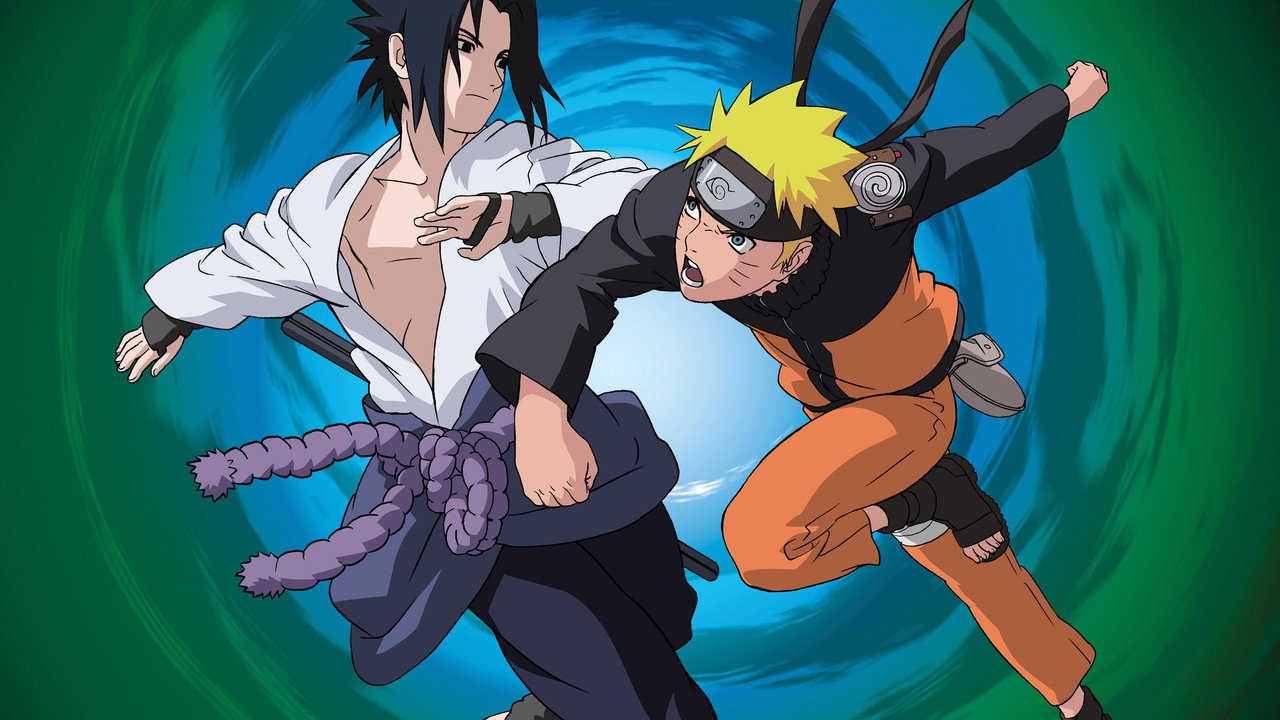
The Ending, Explained
We wrote a Naruto Shippūden ending explained breakdown for viewers who want closure without early spoilers. The story resumes after a significant passage of time, with the teenage hero returning to his home village of Konoha to pursue his ambitions. This approach lets new audiences understand the payoff without knowing the first episodes.
The animation belongs to the genres of action, adventure, sci-fi and fantasy, yet its emotional core is the teenage boy becoming a ninja warrior. The return to Konoha after two and a half years sets up the final confrontation without needing earlier details.
As a sequel built on a based on manga foundation, the show carries forward the ninja warrior tradition while expanding the scope of the conflict. The final chapters emphasize the cost of being a hero in a world where dangerous enemies operate in the shadows. We focus only on the resolution, keeping the early character setup untouched.
If you want to see where the journey starts, the earlier series Naruto introduces the ninja before the time skip.
What Happens
Many viewers question what happens at the end of Naruto Shippūden. Without touching the opening acts, we can say the climax revolves around the sustained fight against the Akatsuki, a shinobi organization that emerges as the central villain. The teenage boy must apply everything learned as a martial artist to protect those he loves.
The Akatsuki as a villain organization illustrate the danger of unchecked ambition, a stark contrast to the hero's discipline. As a martial artist, the protagonist relies on ninjitsu and teamwork rather than solitary strength.
The animation blends action and adventure with sci-fi and fantasy elements, making the final battles feel larger than life. Ninjitsu techniques and strategic thinking define the outcome more than brute force. The sequel positions its cast for a decisive standoff that tests the limits of friendship and resolve.
Those who enjoy ensemble teenage hero stories may also appreciate Young Justice as a different take on young champions facing threats.
The Meaning Behind the Ending
Readers get a Naruto Shippūden ending meaning perspective from our writing on the final act. A martial arts master does not win without loss, and the series acknowledges that the path of a ninja includes painful choices. The teenage hero grows into his role by accepting responsibility for the village's safety.
What makes the resolution compelling is its focus on the cost of peace. A martial arts master understands that victory is hollow without protecting the next generation of ninja.
Because the show is a based on manga continuation, the ending respects established lore while giving the audience emotional closure. The villain group Akatsuki serves as a mirror for the corruption of power, and their defeat signals a shift in the ninja world's balance. The conclusion is less about a twist and more about fulfillment of a promise.
Fans of disciplined competition might explore Battle Athletes Victory for another perspective on martial artist dedication.
Themes You Might Have Missed
This Naruto Shippūden explained article avoids early spoilers yet highlights subtle motifs. The narrative treats the ninja not just as a fighter but as a martial artist shaped by community. Recurring ideas include the burden of the teenage hero, the seductive danger of forbidden techniques, and the persistence of hope against villain forces.
The sequel Naruto Shippūden 2007 continues the manga story with an older cast but the same core of ninjitsu and loyalty. Throughout the final act, the line between hero and outcast blurs, suggesting that a true ninja warrior learns from both allies and enemies. The animation also quietly comments on the cost of war through its fantasy sci-fi lens.
Secondary characters voiced by Noriaki Sugiyama, Chie Nakamura, and Kazuhiko Inoue add depth to the closing chapters, showing that the fight is collective rather than solitary. Even minor figures reflect the theme of perseverance.
The voice performances from Junko Takeuchi and others bring the closing emotional beats to life. Their work ensures the teenage hero's final choices resonate with the audience.
Final Verdict on Naruto Shippūden
With a rating of 8.53 out of 10 from 8823 votes, the series stands as a beloved entry in animation, action and adventure, sci-fi and fantasy. The ending satisfies because it pays off character growth rather than relying on shock value. It remains a strong example of a teenage hero narrative that respects its audience.
The combination of ninja tradition and modern storytelling makes the sequel rewarding. While the Akatsuki provide a formidable villain presence, the heart of the show is the teenage boy's journey from reckless youth to measured hero. The final act confirms that being a martial arts master is as much about spirit as skill.
Viewers who appreciate a sequel that honors its based on manga roots will find much to admire. The high rating reflects a consensus that the ending lands effectively.
Naruto Shippūden Scorecard
We score it high on fight choreography, villain depth, and emotional payoff. The Akatsuki serve as compelling antagonists, and the ninja warrior ethos ties the sequel together. For viewers seeking a martial arts master journey, this 2007 animated sequel delivers on its promises.
Categories such as animation quality, soundtrack, and faithfulness to the based on manga source all rank strongly. The teenage hero's arc receives a fitting close, and the ninjitsu battles remain inventive. Overall, the experience is recommended for fans of action, adventure, and fantasy with a ninja edge.
From fight sequences to quiet character moments, the scorecard favors the show's consistency. The ninja warrior mindset pervades every scene of the final act.