My Hero Academia: Vigilantes (2025): Timid Student to Street Hero
Follow timid college student Koichi Haimawari as he trains under vigilante Knuckleduster and becomes a hero for his city in this 2025 spin-off.
October 25, 2026
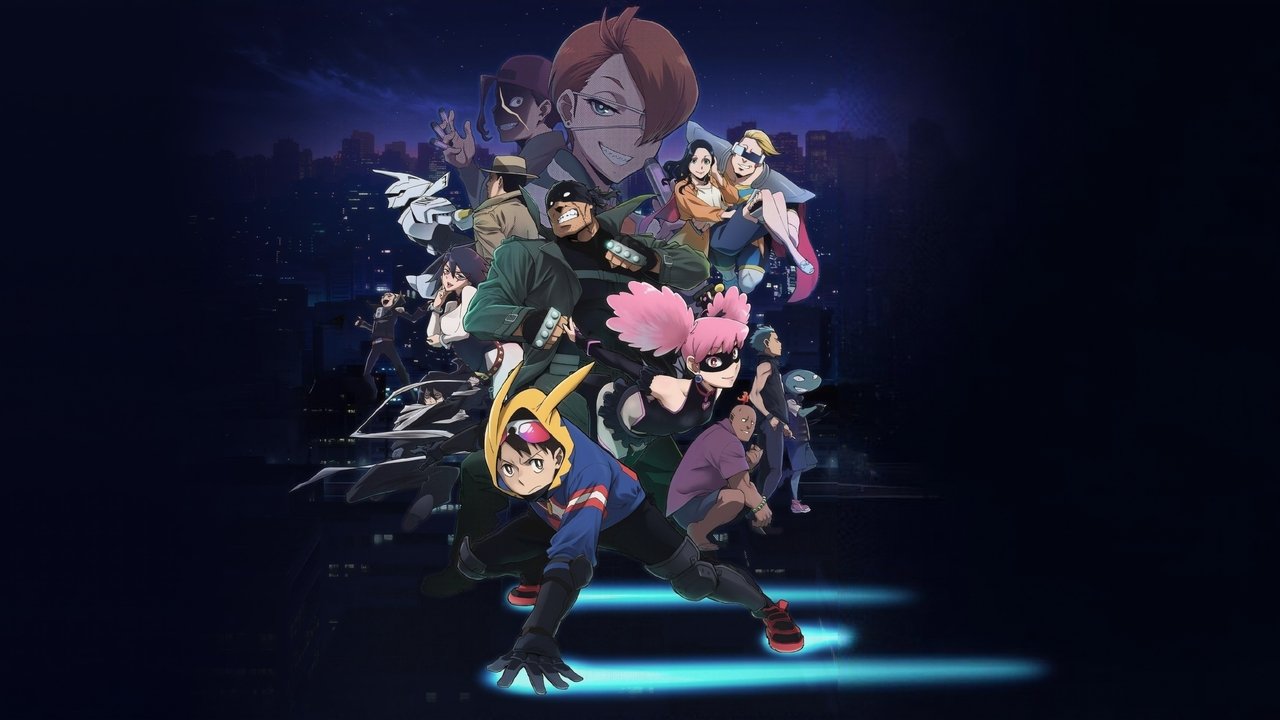
The Ending, Explained
The conclusion of this spin-off, My Hero Academia: Vigilantes ending explained, draws on the quiet transformation of a hesitant young man into someone who stands up for his city. While we will not reveal the early turning point that sets the story in motion, it is fair to say that the final act pays off the mentorship between Koichi Haimawari and the seasoned figure Knuckleduster. Themes of personal courage and urban responsibility anchor the closure. Viewers who have followed the slow burn of a college student learning to wield superhuman abilities will find that the last episodes reframe the meaning of being a hero outside the official system.
In a broad sense, the finale functions as a meditation on what it means to act when no badge or license backs you up. The animation maintains a brisk urban aesthetic, and the drama never loses sight of the human scale. Because the show is a prequel and a spin off from a larger manga universe, the ending also plants seeds that longtime fans can appreciate without needing explicit tie-ins. The rating of 7.714 out of 10 from ninety-one votes suggests that early audiences value this measured approach rather than a bombastic finish.
We should note that the ending does not rely on shocking twists. Instead, it emphasizes character resolve. Koichi, voiced by Shuichiro Umeda, and his companions including Ikumi Hasegawa and Yasuhiro Mamiya, embody a shounen spirit that feels both fresh and familiar. The absence of a convoluted climax is itself a statement: sometimes the most powerful moment is a quiet decision to keep going. The narrative trusts the audience to find weight in small victories, which is a hallmark of a coming of age story told with patience.
Looking at the structure, the final chapter refuses to over-explain its own symbolism. It leaves room for the viewer to sit with the consequences of vigilantism in a crowded metropolis. That restraint is welcome in a genre often prone to overstatement. The result is a closing stretch that feels earned, not imposed.
What Happens
The middle and later portions of the series, My Hero Academia: Vigilantes explained, trace the steps of a timid college student who accepts an offer to train as a vigilante protégé after a life-changing incident. Without spoiling that incident, we can say the narrative then explores his education in the field. Knuckleduster serves as a revered mentor, pushing Koichi beyond his comfort zone while the city around them buzzes with super-powered encounters that test their limits.
As the episodes progress, the urban landscape of the story becomes a character in its own right. Alleyways, rooftops, and crowded streets host encounters that probe the boundaries of unofficial justice. The anime format allows for fluid action sequences that contrast with the introspective moments of a young man coming of age. Though the show is based on manga, the adaptation streamlines the pacing for weekly viewing, ensuring that each scene builds toward the eventual resolution.
Throughout, the supporting cast provides texture. The performances by the main actors give weight to dialogue that might otherwise feel generic. Fans of supernatural academy stories might also appreciate Black Clover, which shares a similar shounen drive and super power framework, though its setting differs in tone and scope. Both titles understand that a hero's worth is measured by persistence.
The latter half of the runtime focuses less on introducing new threats and more on consolidating the lessons Koichi has absorbed. This makes the eventual endpoint feel like a natural extension of his earlier choices. The viewer is never forced to track a sprawling conspiracy; the focus remains intimate and character-centered.
The Meaning Behind the Ending
The final resonance, My Hero Academia: Vigilantes ending meaning, lies in its rejection of easy answers. A vigilante operates in a gray zone, and the show acknowledges that ambiguity. Rather than wrapping everything in a tidy bow, the conclusion suggests that the act of showing up matters more than public recognition. For Koichi, the journey from passivity to participation is the true victory.
This thematic core speaks to the broader appeal of superhero stories that ground themselves in everyday struggles. The college student premise roots the fantastical elements in relatable anxiety about the future. When the last scene fades, the audience is left with a sense that the city is safer not because of statutes, but because someone chose to care. That message echoes through the sci-fi and fantasy layers without ever drowning them out.
Additionally, the prequel nature means the ending carries a gentle irony. Knowing that this is a spin off from an established universe, viewers can read the final moments as a foundation for events elsewhere. That layered perspective rewards repeated viewing and invites thoughtful discussion. The show respects its audience enough to let the silence after the climax speak.
We can also interpret the ending as a comment on mentorship. Knuckleduster's role is not to create a copy of himself, but to enable a new kind of guardian for the urban environment. The meaning therefore extends beyond plot closure into the realm of inherited values.
Themes You Might Have Missed
Beyond the obvious action, the series weaves several motifs. The question, what My Hero Academia Vigilantes end, lingers after the last scene, invites reflection on mentorship as a two-way street. Knuckleduster is not just a teacher; he is changed by his protégé's emerging conviction and steady presence.
Other threads include the urban isolation of modern life and the coming of age ritual of finding one's purpose. The label of superhuman abilities is almost secondary to the emotional wiring of the characters. For those who enjoy older action quartets, GetBackers offers a reminiscent dive into rogue retrieval specialists operating outside formal law, echoing the vigilante ethos in a different costume.
Furthermore, the show's status as a manga adaptation means it respects the source's beats while trimming filler. The animation, action, and drama genres blend seamlessly. A viewer who appreciates classic mecha moral conflicts could also explore Mazinger Z, where super powered defenders likewise grapple with responsibility outside official channels. Such comparisons highlight how the vigilante ideal recurs across anime history.
Small details, like the careful use of light in night scenes, reinforce the theme of hidden guardians. The shounen tag is accurate but undersells the nuanced portrait of a young person learning to be brave. Watch for the recurring visual motif of footsteps in empty streets; it quietly signals progress that the characters themselves may not yet recognize.
Another subtle idea is the contrast between sanctioned heroes and unsanctioned ones. The series never preaches, but it lets the audience feel the cost of operating without a network. That tension is part of what makes the final act land with such gentle force.
My Hero Academia: Vigilantes: The Bottom Line
With a current score of 7.714 from ninety-one votes, this 2025 offering proves that a spin-off can stand on its own. The main cast delivers sincere performances, and the creative team honors the source material's tone. While we avoid detailing the first act, we can confirm that the payoff is emotionally coherent and thematically rich.
The combination of superhero fantasy and grounded college-student experience makes it accessible. If you are browsing a free streaming blog for something that respects your time, this title deserves a spot on the list. Its restrained climax is a strength, not a weakness. The show understands that not every question needs an explosive answer, and that understanding elevates it above many peers.
Viewers who prioritize character development over spectacle will find much to admire. The voice work by Shuichiro Umeda, Ikumi Hasegawa, and Yasuhiro Mamiya grounds the more fantastical elements in recognizable emotion. This is a series that rewards attention without demanding encyclopedic knowledge of its parent franchise.
My Hero Academia: Vigilantes At a Glance
The franchise, My Hero Academia Vigilantes timeline, includes this prequel as a complementary piece to the larger saga. Below is a quick summary of key attributes that define the viewing experience:
- Title: My Hero Academia: Vigilantes (2025)
- Genres: Animation, Action & Adventure, Drama, Sci-Fi & Fantasy
- Rating: 7.714/10 based on 91 votes
- Main cast: Shuichiro Umeda, Ikumi Hasegawa, Yasuhiro Mamiya
- Themes: vigilante, prequel, superhero, urban, coming of age, based on manga, spin off, super power, shounen, college student, anime, superhuman abilities
- Premise: After a life-changing incident, timid college student Koichi Haimawari accepts an offer from revered vigilante Knuckleduster to train as his protégé.
Overall, the series invites thoughtful viewing rather than passive consumption. Its ending, explained through character growth, leaves a lasting impression that continues to resonate after the credits roll. The careful balance of genre elements makes it a noteworthy entry for anyone exploring modern anime on a streaming platform.