Murder, She Wrote (1984): A Writer's Insight Cracks Real Murders
This breakdown explores the final act of Murder, She Wrote (1984), where a mystery writer turned sleuth solves real homicides.
October 24, 2026
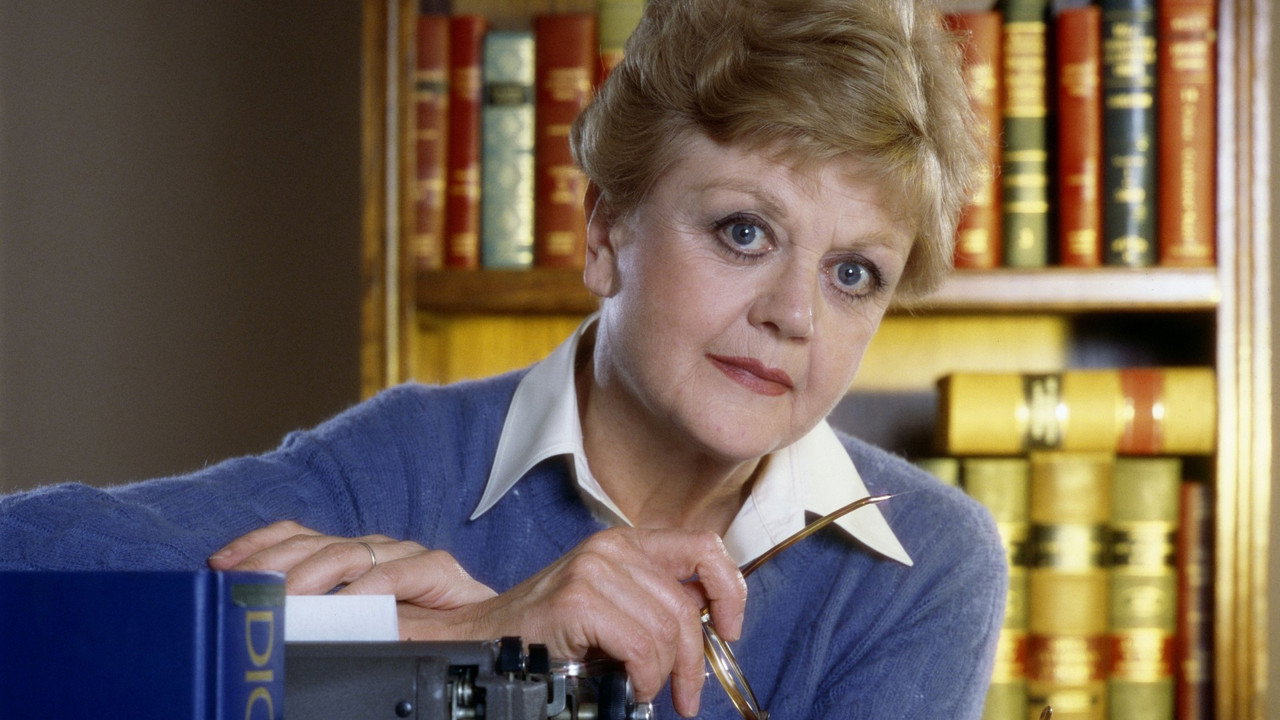
The Ending, Explained
Murder, She Wrote first aired in 1984 and quickly became a staple of mystery, crime, and drama television. With a solid audience score of 7.5 out of 10 across 474 votes, the series proves that a quiet story can still captivate. The show centers on an unassuming mystery writer turned sleuth who uses her professional insight to help solve real-life homicide cases. In this breakdown we focus only on the final act, carefully avoiding any spoilers from the opening minutes of any episode.
Our discussion highlights several points: the small-town setting, Murder, She Wrote ending explained, and the recurring comfort of resolution. The conclusion of each case typically brings the characters together, allowing the amateur detective to lay out the truth. Because the series leans on a comforting tone, the ending rarely feels abrupt. Instead, viewers get a satisfying close that matches the tagline, "She may be wrong. But frankly, we doubt it."
When we look at the structure, the final scenes serve a dual purpose. They reveal the culprit, and they reinforce the value of an elderly writer as a criminal consultant. The Maine backdrop adds a sense of community where everyone is a suspect yet no one is permanently alienated. This balance is why the show remains a gentle entry in the genre.
What Happens
Without detailing the first act, we can say that the middle of each story builds a web of mysterious possibilities. By the time the last segment arrives, the investigator has gathered enough threads to act. Angela Lansbury portrays the leading figure with warmth, making the process of solving feel earned rather than rushed.
We answer frequent questions: who wrote the books, what happens Murder, She Wrote end, and why the town feels safe. The answer to the middle query is that the final act shows the sleuth explaining the homicide solution to authorities and friends. Real-life homicide cases get resolved through her professional insight, not through force. This approach keeps the drama humane.
The significance of these events is that the writer character never loses her unassuming nature. She remains an amateur sleuth even when working alongside trained police. That dynamic creates a reliable pattern: confusion gives way to clarity, and the comforting mood returns. The show's length and format let each ending breathe.
The Meaning Behind the Ending
The closing moments of any given case carry more weight than a simple reveal. They suggest that experience and observation trump brute authority. An elderly protagonist using brain over brawn was refreshing for the era and still feels progressive.
Later we examine mood, Murder, She Wrote ending meaning, and the detective framework. The meaning often points to community restoration. Once the culprit is named, the Maine town can return to its steady rhythm. The tagline again echoes this confidence: the mystery writer may be an outsider to law enforcement, but her conclusions stand.
This final act also underscores the theme of the criminal consultant. Jessica Fletcher, played by Angela Lansbury, functions as a bridge between the written word and real evidence. The ending means that storytelling and detection are two sides of the same skill. That idea is comforting to viewers who value intelligence over violence.
Themes You Might Have Missed
Beneath the cozy surface, the series toys with several quiet ideas. The detective motif is obvious, yet the focus on an elderly woman as the main investigator subtly challenges stereotypes. The writer angle shows how fiction can train the mind for fact.
The ensemble features a detective, a Murder, She Wrote mystery writer, and an investigator from Maine. Together they form a circle where the amateur sleuth is the linchpin. Other themes include the mysterious nature of small towns and the soothing promise that every crime will be solved. The word "comforting" fits because the show never leaves loose ends dangling.
Another overlooked element is the repeated use of the sleuth as a criminal consultant. Rather than swinging a badge, she offers insight. This keeps the drama grounded and allows the audience to play along. The Maine setting is not just scenic; it represents a close-knit world where trust is tested but restored.
Murder, She Wrote: What We Thought
Given the available data, the series earns its 7.5 rating through consistency. The blend of mystery, crime, and drama satisfies those who like puzzles without grim realism. Angela Lansbury anchors everything with a performance that makes the mystery writer believable.
The background sections include the tone, Murder, She Wrote explained, and the main cast contributions. Our take is that the show's strength lies in its ending structure. By the final curtain, the viewer feels both entertained and reassured. The tagline sums up the tone perfectly: doubt may exist, but it rarely lasts.
We also note that the series never relies on shock for profit. Instead, it treats the audience as partners. That respect is rare in the crime genre and explains why the rating holds steady across hundreds of votes.
Murder, She Wrote Highlights
To summarize the best parts, we can list a few standouts. First, the performance of Angela Lansbury as the unassuming yet sharp central figure. Second, the Maine atmosphere that turns a simple village into a stage for mystery. Third, the reliable pattern where the amateur sleuth solves the case using professional insight.
- A comforting tone that avoids graphic darkness
- An elderly writer reimagined as a capable investigator
- A tagline that captures the show's quiet confidence
- The recurring role of criminal consultant over cop
If you enjoy this kind of gentle crime solving, you might also like Father Brown, which also centers on an amateur investigator.
For a more modern take, Elementary offers a different detective dynamic while keeping the cerebral puzzle.
Another charming option is Hetty Wainthropp Investigates, where an elderly sleuth similarly uses insight to solve cases.
Overall, the show's ending, explained without early spoilers, reveals a careful design. The final act means closure, the mystery writer shines, and the town heals. That is why Murder, She Wrote remains a comforting fixture for fans of the genre.