Monogatari (2009): How One Boy Confronts Supernatural Oddities
Monogatari (2009) follows Koyomi Araragi as he helps classmates burdened by supernatural oddities with eccentric specialist Meme Oshino.
October 26, 2026
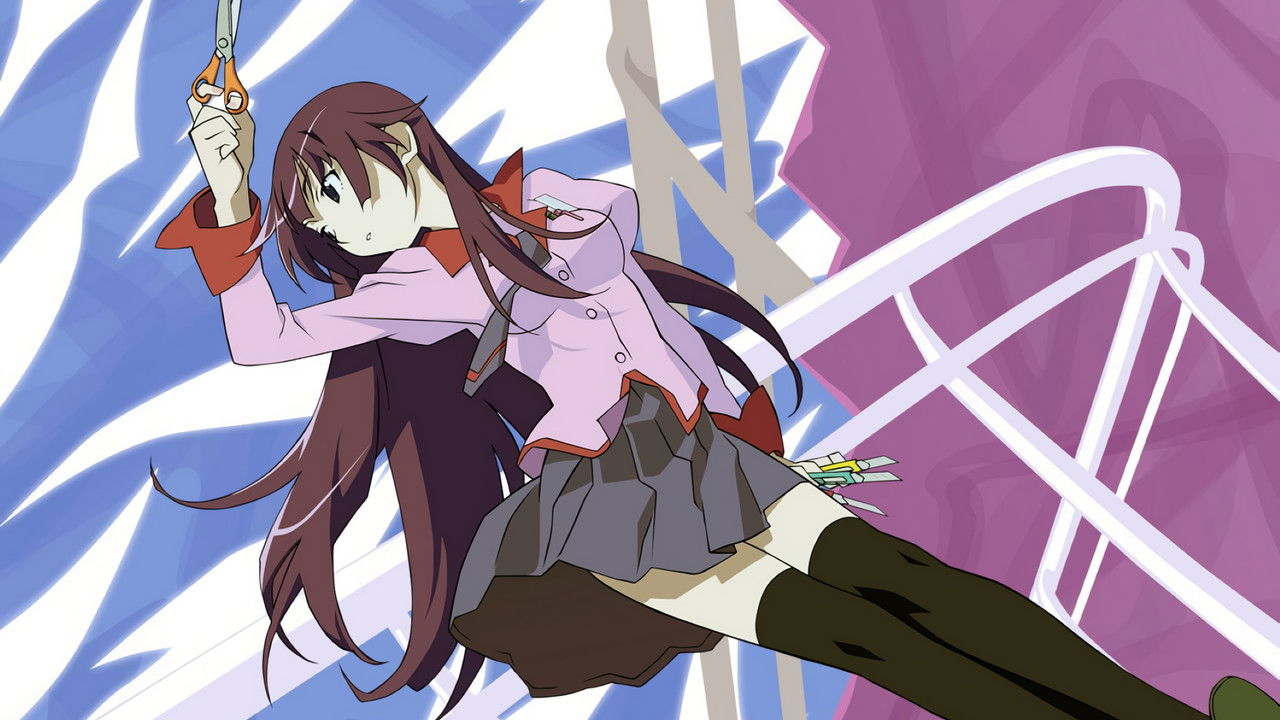
The Ending, Explained
For viewers who want Monogatari explained without wading through every narrative quirk, the series centers on Koyomi Araragi, a Japanese high school student who keeps crossing paths with classmates burdened by supernatural afflictions. Working alongside the oddities specialist Meme Oshino, he guides each young woman through a personal crisis tied to ghosts, youkai, or vampire legends from Japanese mythology. The storytelling avoids a straight line, hopping between self-contained arcs that gradually build a portrait of adolescence, romance, and the complexities of human relationships. Its witty dialogue and stylistic animation have earned the show a loyal following since its 2009 debut.
When looking at the Monogatari ending explained through its closing chapters, we notice that the show refuses to tie everything with a neat bow. Instead, the final act underscores how the protagonist has shifted from a passive helper to someone who acknowledges his own vulnerabilities. The eccentric mentor steps aside, allowing the youngsters to own their choices. Throughout the last segments, the signature visual flourishes remain, but the tone matures as the bonds between characters settle into new shapes. This breakdown will not reveal the first act's surprises, focusing only on the resonance of the conclusion.
Those who enjoy vampire-themed school settings may also want to watch Dance in the Vampire Bund, a title that fuses political intrigue with supernatural romance in a similar academic environment.
What Happens
To summarize what happens at the end of Monogatari, the concluding arcs bring resolution to the emotional struggles that each girl faced earlier. Without revealing the first act's twists, we can say that the final episodes revisit the connections formed through the series and show how those relationships empower the characters to confront inner shadows. Koyomi no longer simply reacts to oddities; he actively chooses the kind of person he wants to become. The eccentric specialist Oshino recedes, letting the students stand on their own.
The narrative structure, praised for its unique rhythm, uses the last stretch to mirror opening themes of personal growth. School life, romance, and the lingering presence of the supernatural blend until the line between everyday routine and myth feels intentionally thin. The conclusion is less about defeating a monster and more about accepting that some ghosts remain part of who we are. Each arc's unique struggle finds a quiet answer in the finale, emphasizing that maturity is a continuous process rather than a single victory.
If you prefer a lighter take on schoolyard chaos with alien encounters, To Love Ru delivers comedy and romance without the heavy symbolic weight.
A Closer Look at the Final Arcs
The later chapters distribute their attention across the ensemble cast, including voices like Chiwa Saito, Yui Horie, Maaya Sakamoto, Satsuki Yukino, and Miyuki Sawashiro. Their performances underscore the comedic and dramatic beats. As the mysteries of the oddities resolve, the show highlights the human vampire relationship not as a horror trope but as a lens on intimacy and trust. This measured pacing may confuse viewers expecting a standard battle finale, yet it fits the source light novel's introspective style.
The Meaning Behind the Ending
The Monogatari ending meaning centers on the transition from adolescent confusion to hard-won self-knowledge. Each arc functioned as a lens on a different facet of human relationships, and the finale pays off by showing that understanding others requires first understanding oneself. The human vampire relationship motif, present from early on, becomes a metaphor for intimacy that transcends surface-level fear. Rather than a twist, the closing moments offer a meditation on continuity.
The characters do not erase the strange events they survived; they integrate those experiences into their evolving identities. This aligns with the show's reputation for witty dialogue and stylistic animation that always prioritized interior states over external action. The rating of 8.067/10 across 537 votes reflects how well this approach landed with audiences who value substance over spectacle.
Themes You Might Have Missed
A thorough Monogatari episode guide would note the recurring motif of mirrors, thresholds, and spoken wordplay that comment on identity. Beneath the comedy and mystery lies a steady examination of Japanese high school life where ghost stories and youkai serve as stand-ins for social anxiety. The light novel source material already hinted at this layering, and the animation amplifies it through fluctuating perspectives and bold color choices.
Viewers attuned to subtle symbolism will catch how vampire lore and Japanese mythology intertwine to question what it means to be human. Romance is never presented as simple wish fulfillment; instead, it is fraught with the same oddities that plague the characters. The series earns its acclaim by balancing experimental visuals with genuine emotional stakes, making even minor encounters feel loaded with meaning.
Fans of playful spirit tales should also consider After-school Hanako-kun, which reimagines school ghosts with a bright, comedic touch.
Symbolic Use of the Supernatural
Beyond the obvious ghost and youkai appearances, the show treats the supernatural as grammar for teenage emotion. A curse might represent shame, while a vampire's bite speaks to the terror of closeness. This thematic depth rewards repeated viewing, and the unique narrative structure encourages fans to map each arc's hidden connections.
Final Verdict on Monogatari
Monogatari stands as a distinctive anime that rewards patient viewing. Its blend of animation, comedy, drama, and mystery creates a textured experience unlike typical supernatural shows. The cast led by Hiroshi Kamiya as Koyomi brings lively voices to a script full of rapid exchanges. While the narrative structure can feel unconventional, that very quality is why many celebrate it as a modern classic based on a light novel.
The final act, far from a mere wrap-up, cements the themes of adolescence and personal growth. If you appreciate stories where the supernatural acts as a mirror for real feelings, this 2009 series remains essential. Its focus on human connection, even when filtered through vampire or ghost metaphors, leaves a lasting impression that justifies the strong community rating.
Monogatari FAQ
Is Monogatari based on a light novel? Yes, the anime adapts a popular Japanese light novel series that already explored the same oddity-driven arcs and character dynamics.
What genres does it cover? The production mixes animation, comedy, drama, and mystery while leaning on supernatural elements like youkai, ghosts, and vampire lore.
Who is the main specialist helping the students? Meme Oshino is the eccentric figure who guides Koyomi and the afflicted girls through their struggles with oddities.
Does the ending spoil the early episodes? Our breakdown intentionally avoids the first act, so you can read this without losing initial surprises while still grasping the Monogatari ending meaning.