Monk (2002): How Obsession Fueled His Investigations
A clear breakdown of Monk (2002) finale explaining Adrian's ending, OCD journey, and hidden themes without spoiling the first act.
October 21, 2026
The Ending, Explained
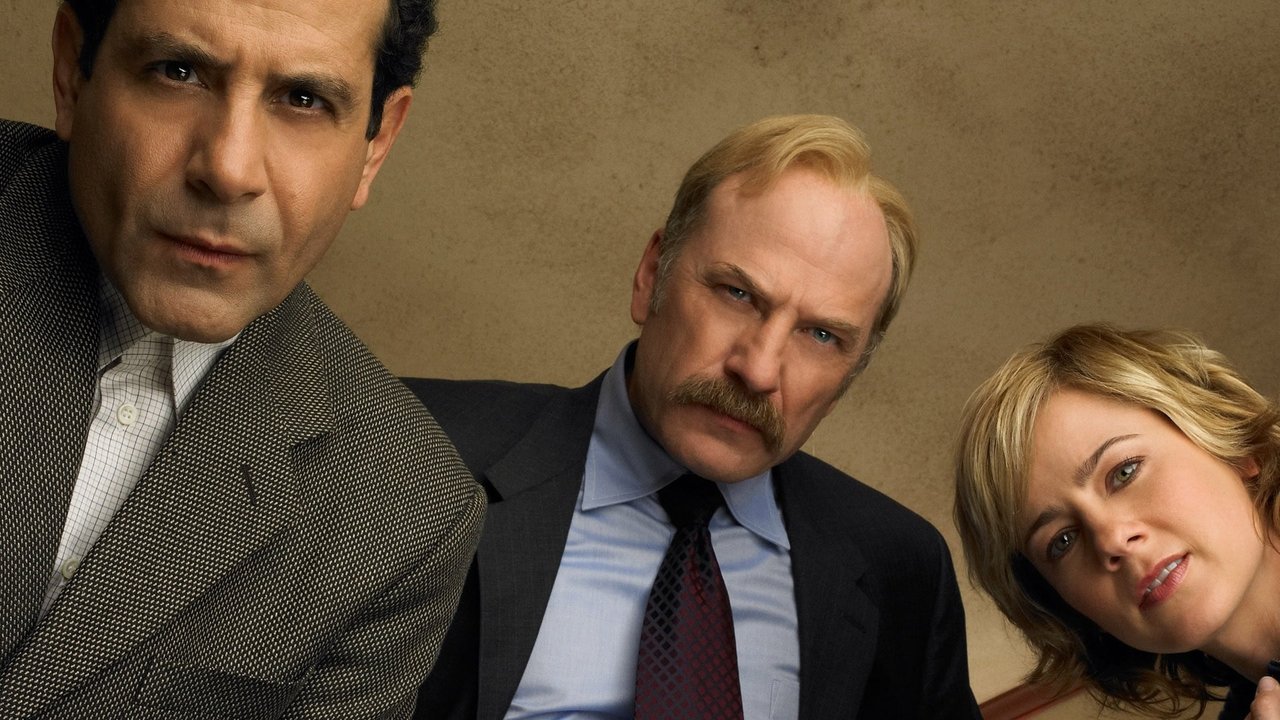
When viewers reach the final stretch of the series, they often turn to resources that offer Monk ending explained to make sense of Adrian's journey. The show, starring Tony Shalhoub as the brilliant but troubled consultant, wraps up with the protagonist still navigating life in San Francisco as a criminal consultant. While the early episodes establish his tragic loss, the closure comes from how he handles his condition rather than from external resolutions. We will not spoil the first act here; instead, this breakdown focuses on the concluding chapters and what they say about a man learning to live with obsessive compulsive disorder.
The finale confirms that Monk remains a private detective figure operating outside the official department but forever tied to its methods. His unconventional means of spotting clues continue to baffle and delight those around him. In many ways, the last act is a quiet celebration of small victories over mental disorders that never fully disappear. The tone stays understated, letting the audience sit with a sympathetic protagonist who refuses to be defined solely by tragedy.
If you enjoy this understated style of storytelling, you might also explore Jack Irish, which leans into a similar blend of character study and procedural craft.
What Happens
To understand what happens at the end of Monk, we must consider his routine as a private investigator who relies on unconventional observation. In the concluding sequences, Adrian continues to work alongside the police procedural structure he once belonged to, using his obsessive compulsive disorder as a lens rather than a barrier. The narrative does not upend his world; instead, it affirms his place as a sympathetic figure in California's crime landscape.
He still consults on baffling cases, aided by a circle that includes characters played by Ted Levine, Jason Gray-Stanford, and Traylor Howard. The show never pretends that his wife's unsolved murder stops hurting, but the final episodes show him functioning with a steadier stride. That is the practical outcome: a consultant who turns personal struggle into professional precision while roaming the streets of San Francisco.
For those who like complementary tones, Take Two offers a breezier take on the private detective archetype while keeping the cosy crime comfort intact.
The Meaning Behind the Ending
The chapter that examines Monk ending meaning shows his evolution from a shattered officer to a stable consultant. His wife's case remains a shadow, yet the final act stresses that his value lies in the small details others miss. This is not a twist-heavy conclusion but a meditative look at mental disorders and resilience.
By the last scene, the tagline "Obsessive. Compulsive. Detective." feels less like a joke and more like a statement of identity. Adrian Monk accepts that his condition is permanent, yet his contribution to San Francisco justice is undeniable. The significance of the final act is therefore thematic: a sympathetic portrait of someone who refuses to let grief erase his usefulness. The show's California setting mirrors this, with calm coasts contrasting his internal storms.
Viewers who appreciate gentle procedural closure can also find it in My Life Is Murder, a series that mirrors the same understated warmth.
Themes You Might Have Missed
Beyond the obvious comedy and mystery, the program Monk explained through its subtext reveals a study of obsessive compulsive disorder and the California setting. The show uses San Francisco as more than backdrop; the city's chaos contrasts with Adrian's need for order. Additionally, the theme of a private investigator coping with mental disorders paints a sympathetic portrait rarely done with such lightness.
- Obsessive compulsive disorder as a detective tool rather than just a burden
- The understated bond between Monk and the supporting cast that grounds the humor
- Cosy crime wrapped in police procedural pacing for relaxed viewing
- California locales that subtly reflect the protagonist's internal state
- The criminal consultant role bridging official force and civilian insight
Articles that mention Monk Trudy murder solved highlight Adrian's motivation, because the unsolved killing drives the emotional core. While the series keeps that wound open, it allows his daily victories to matter. The theme of unresolved grief sitting beside steady competence is a quiet achievement for a show tagged as drama, comedy, crime, and mystery.
Another layer is the idea of the private detective as a bridge between standard law enforcement and unconventional thinking. Monk's position outside the department gives him freedom to follow odd threads, a privilege the typical police procedural seldom grants. His methods remain legendary for solving the most baffling cases.
How Good Is Monk, Really?
With a rating of 7.937 out of 10 from 1333 votes, the show earns its stay as a relaxing yet engaging watch. Tony Shalhoub leads a cast including Ted Levine, Jason Gray-Stanford, and Traylor Howard, each grounding the eccentric premise. The tagline "Obsessive. Compulsive. Detective." sums up the blend of drama, comedy, crime, and mystery without overselling.
The pacing is understated, never too heavy, making it ideal for an evening chill session. It is not a Sherlock Holmes pastiche but a character piece about a man who sees what others overlook. The sympathetic treatment of mental disorders elevates it above standard cozy crime fare. For a free streaming blog audience, the series offers accessible entry points: you can start at any episode and still grasp the central hook.
Critics of stricter realism might note the soft edges, but that softness is intentional. The show's strength is its consistent tone, where a private investigator's panic attack can sit next to a clever clue reveal without tonal whiplash. Few series balance police procedural structure with such gentle humanism.
Monk Overview
Monk (2002) presents Adrian Monk, once a rising star with the San Francisco Police Department, now a private consultant. His legendary knack for solving baffling cases persists despite extreme OCD developed after his wife's tragic murder. The series spans drama, comedy, crime, and mystery, offering a cosy crime experience rooted in real emotional struggle.
The themes of mental disorders, criminal consultant work, and sympathetic storytelling create a unique police procedural. Whether you start from the first episode or jump to the finale, the show welcomes viewers seeking smart, light entertainment in California's familiar streets. With a tagline that captures the essence and a cast that embodies it, Monk remains a benchmark for understated detective television.
In summary, the ending we discussed reinforces the core: a man with obsessive compulsive disorder continues to be a brilliant private detective in San Francisco, proving that a tragic past does not negate a useful present. That is the simple, human takeaway from a show that never needed to shout. The rating and audience votes suggest many agree, making it a solid pick for a relaxed streaming night.