Meet the Press (1947): The Show That Never Signs Off
Meet the Press (1947) is TV's longest-running series, a Sunday staple that has never truly ended, only evolved.
November 15, 2026
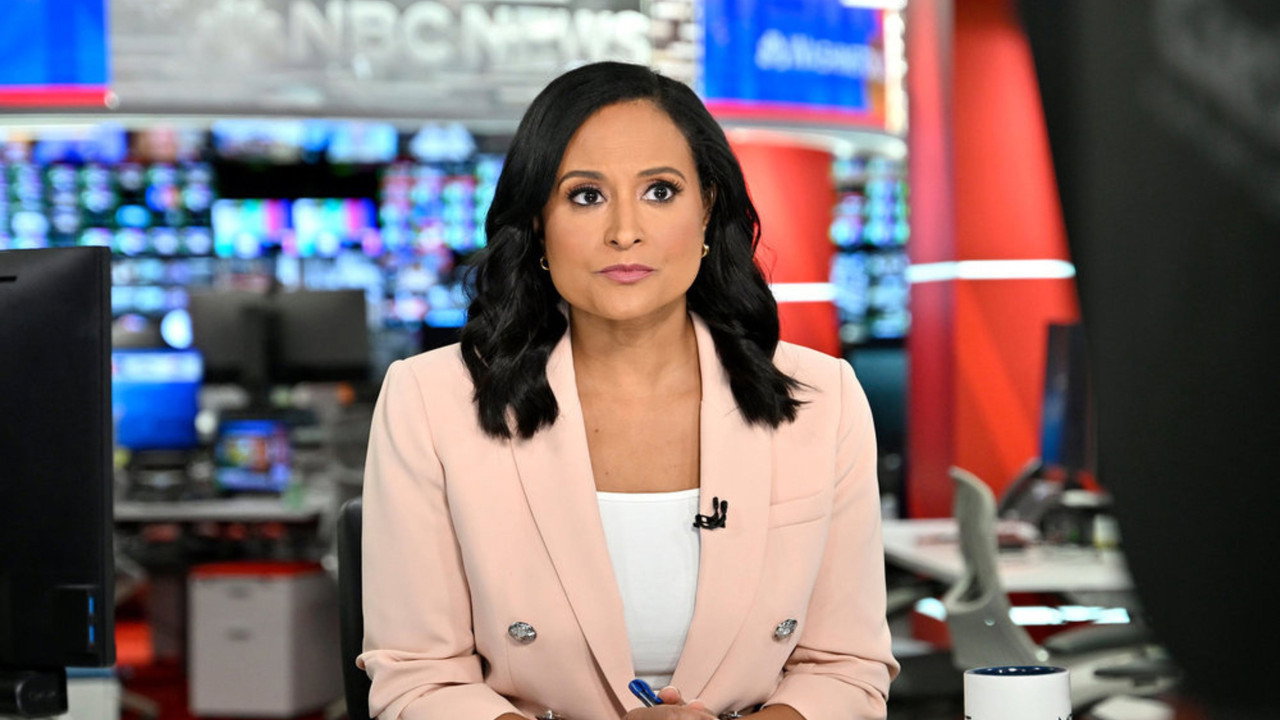
The Ending, Explained
Sunday morning television has a rhythm all its own, and few programs have shaped that rhythm as thoroughly as NBC's long-running political interview show. When people search for the Meet the Press ending explained, they are usually hunting for a twist or a final revelation. What they find instead is something more interesting: a program that has never truly ended, only evolved, with each era handing the microphone to the next moderator and each broadcast closing on the same note of unresolved conversation.
Because this is a weekly news program rather than a scripted drama, the idea of a finale works differently here. There is no last scene to decode in the traditional sense. Instead, the "ending" is the accumulated record of decades of interviews, the sense that every Sunday closes a chapter on one news cycle while opening the door to the next. That is the real satisfaction of the show: closure is deliberately withheld, because the story of politics never really stops.
What Happens
Each installment follows a dependable structure. A moderator sits down with a national figure — a senator, a cabinet member, a foreign leader, or a strategist — and presses them on the issues of the day. The conversation tends to move through politics, economics, and foreign policy, with follow-up questions that try to pin down a straightforward answer. Over the years the hosting chair has passed through eleven different moderators, beginning with Martha Rountree, and the current steward of the format is Kristen Welker.
The format has shifted considerably since the program first aired on November 6, 1947. What began as a panel-driven discussion has become a more focused one-on-one exchange, though the core purpose remains the same: to put decision-makers on the record. The show is also the longest-running series in American broadcasting history and the highest-rated of the Sunday morning talk programs, a status it has held through repeated reinvention.
For viewers who want to understand the broader landscape of political and interview programming, a few companion titles are worth a look. Fans of long-form conversation should seek out The Tonight Show Starring Johnny Carson, which built its own enduring template for the televised interview. Those drawn to panel-style political discussion might also enjoy Mesa central, a series that brings multiple voices into the same room. And for anyone interested in how broadcast events capture a national mood, MTV Video Music Awards offers a very different kind of live television ritual.
The Meaning Behind the Ending
So what is the Meet the Press ending meaning, if there is no scripted conclusion to unpack? The answer lies in the show's refusal to offer tidy resolutions. Every broadcast ends with questions still hanging in the air, and that is the point. The program treats politics as an ongoing negotiation rather than a story with a moral. The final moments of an episode are less a wrap-up than a handoff — to the next news cycle, the next guest, the next Sunday.
That structure carries a quiet argument about public life: that accountability is a process, not a single event. A guest may leave the set without fully answering a question, and the audience is invited to sit with that discomfort. The program's longevity is itself part of the meaning. A show that has run since 1947 has outlasted administrations, wars, and entire media revolutions, which makes each episode feel like a small piece of a much larger historical record.
Themes You Might Have Missed
The surface-level theme is obvious: politics, power, and policy. Beneath that, the show is deeply concerned with the friction of the interview itself. Guests sometimes arrive defensive, occasionally dismissive, and the tension between a moderator's persistence and a subject's evasions is where the drama lives. Viewers often describe the atmosphere as combative, even unpleasant, because the questioning can turn pointed and the exchanges can feel hostile. That friction is not a flaw; it is the engine of the format.
- Accountability under pressure — the ritual of asking a powerful person to justify a decision in real time.
- The performance of politics — how leaders choose their words when they know a national audience is watching.
- Discomfort as information — when a guest grows irritated or evasive, the reaction itself becomes part of the story.
- Continuity and change — a format that survives by adapting, even when it looks almost nothing like its original self.
If you want to know what happens at the end of Meet the Press in a thematic sense, it is this: the guest leaves, the moderator signs off, and the argument continues without you. That lingering quality is what separates a news interview from a simple conversation.
Meet the Press: Our Final Verdict
Judged as entertainment, this is a slow burn. Judged as civic television, it is essential. The show does not chase spectacle the way a scripted series might, and anyone expecting a dramatic reveal will be disappointed. What it offers instead is a front-row seat to how public figures handle scrutiny, and that has proven remarkably durable across seven decades of broadcasting. Its audience score sits at a modest 4.81 out of 10 from a small sample of voters, which says less about quality than about how niche the appeal of a Sunday policy program really is.
As for the Meet the Press final episode, the honest answer is that there isn't one — and that absence is the most meaningful thing about it. The program's legacy is built on never wrapping things up, on leaving the conversation open for the next moderator and the next generation of guests. If you tune in expecting a neat resolution, you will walk away frustrated. If you tune in expecting a window into how power explains itself, you will keep coming back.
Meet the Press Highlights
For newcomers curious about the show's appeal, a few elements stand out. The moderators' preparation is formidable, and the best segments reward close attention rather than passive viewing. The guest list skews toward people who actually make decisions, which gives the interviews real stakes. And the program's place in broadcasting history — the longest-running series in the medium, still the top-rated Sunday talk show — gives every episode a sense of occasion.
Ultimately, Meet the Press explained in a single line is this: a weekly ritual of accountability that refuses to end. It is not for everyone, but for viewers who care about politics, economics, and foreign policy, it remains one of the most reliable windows into how the people in charge think — and how carefully they avoid saying too much.