Medium (2005): How Her Dreams Guide Crime Solving
Allison Dubois uses her gift of talking to the dead and vivid dreams to help the DA's office solve missing persons cases in Medium (2005).
October 27, 2026
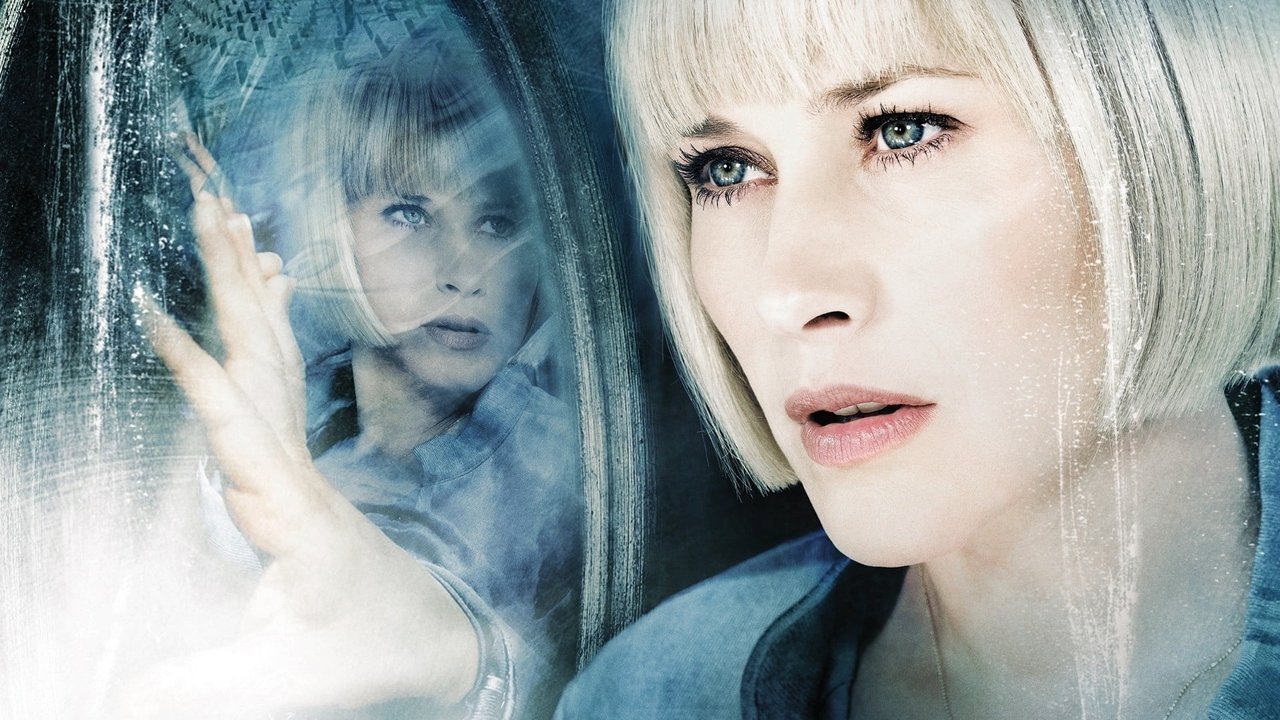
The Ending, Explained
Medium (2005) arrives as a hybrid of crime, drama, mystery, and sci-fi & fantasy, centering on Allison Dubois, portrayed by Patricia Arquette. She is employed within the District Attorney’s office in Phoenix, Arizona, where her natural intuition about people and her ability to communicate with the dead become vital assets in solving crimes. The official tagline, “She Sees What Others Can’t,” neatly encapsulates the central hook without giving away the early mysteries.
Because this is a breakdown that avoids spoiling the first act, we will focus on how the later episodes and the final chapter handle the premise. The series never abandons its core idea: Allison’s dreams often give her clues to the whereabouts of missing people. That mechanism remains active straight through the conclusion, providing a sense of continuity for the audience.
Viewers who want a broader contextual piece can read our Medium explained article, which outlines the paranormal framework and the show’s placement among procedural dramas. The program holds a 7.5/10 rating across 593 votes, a metric that suggests a loyal viewer base appreciated its measured blend of psychic power and police work.
The crime and drama genres merge seamlessly because each episode presents a puzzle that emotional resonance solves. Mystery elements keep the audience guessing, while the sci-fi & fantasy tag acknowledges the impossible conversations Allison has with the departed.
What Happens
As the narrative reaches its closing stretch, Allison continues to rely on her nocturnal visions and her conversations with spirits to guide investigations. The what happens at end of Medium question is best answered by noting that the story preserves her daily equilibrium between home responsibilities and the demands of the DA’s office. Alongside colleagues such as Miguel Sandoval’s superior, David Cubitt’s journalist, and Jake Weber’s family member, she resolves cases that ordinary forensic steps cannot.
The supporting ensemble, which also includes Sofia Vassilieva and Feodor Lark, keeps the supernatural threads tied to ordinary life. The Phoenix, Arizona backdrop, with its endless suburban expanses, reinforces a feeling of quiet isolation. A viewer might also enjoy Unsolved Mysteries, which shares the same fascination with real-world paranormal puzzles and cold cases.
Without detailing specific early plot beats, it is fair to say the finale does not pivot into a new genre. Instead, it doubles down on the criminal consultant model, letting Allison’s gift remain a constant rather than a variable.
Allison’s position inside the District Attorney’s office means that her contributions must withstand a legal standard, even if her methods are supernatural. That tension between the courtroom and the paranormal gives the ending its particular weight.
The Meaning Behind the Ending
The Medium ending meaning becomes clear when you view Allison’s abilities as a vocation rather than a burden. She has always used her intuition about people and her connection to the deceased to help others, and the final act affirms that choice. Rather than delivering a shock twist, the conclusion offers thematic closure about the place of paranormal insight inside a rational justice system.
Her dreams often give clues to the whereabouts of missing people, and that repeated pattern suggests that the show values persistence over revelation. For those who like a darker tone, Millennium explores similar intersections of crime and the unseen, though with a grimier, more fatalistic edge. Both series treat the paranormal as a practical instrument instead of a spectacle.
The finale’s restraint is notable. Instead of expanding the mythology, it tightens the focus on character, letting the rating of 7.5/10 reflect a show that knew its limits and honored them.
Themes You Might Have Missed
Several motifs run beneath the procedural surface. The obvious labels—medium, psychic power, paranormal—are front and center, yet the quieter theme of a criminal consultant navigating bureaucratic expectation stands out. The Medium Allison Dubois dreams sequence in the later episodes mirrors her initial successes, demonstrating how little her core method evolved across the run.
Another subtle angle is the geographic anchor. Phoenix, Arizona is not just a filming location; its heat and sprawl become part of the mood, making communication with the dead feel like a necessary antidote to loneliness. Fans of isolated-community storytelling might appreciate Troppo, a more tropical take on outsiders unraveling disappearances, though its tone differs greatly from Medium’s suburban calm.
The show also quietly examines family dynamics. Allison’s role as a mother and spouse intersects with her work, and the final chapters honor that balance without turning it into a melodrama.
Even the smaller roles, such as those played by Sofia Vassilieva and Feodor Lark, contribute to the theme of a household that absorbs the strange without breaking. This normalizes the paranormal, a trick the series repeats from start to finish.
What We Think of Medium
The series never overwhelms the audience with dense mythology. Instead, it uses Allison’s ability to communicate with the dead as a humanizing lens for each case. The Medium ending explained recap would point out that the writers respected their own internal logic: dreams give clues, the deceased speak, and the District Attorney’s office benefits from the unconventional partnership.
Patricia Arquette’s performance keeps the fantastical elements grounded, while the rest of the cast—Jake Weber, Miguel Sandoval, David Cubitt, Sofia Vassilieva, and Feodor Lark—provide textures of normalcy. We rate it a recommended watch for anyone who enjoys procedurals with a paranormal heartbeat. The 7.5/10 score from 593 votes feels equitable given the consistent tone and character chemistry.
While we avoid the first act, it is worth noting that the closing scenes mirror the introductory promise of the tagline. “She Sees What Others Can’t.” is not just marketing; it becomes the character’s quiet victory.
Medium Overview
Medium (2005) is a television entry spanning crime, drama, mystery, sci-fi & fantasy. It stars Patricia Arquette as Allison Dubois, with Jake Weber, Miguel Sandoval, David Cubitt, Sofia Vassilieva, and Feodor Lark in key roles. The tagline “She Sees What Others Can’t.” sums up the premise: Allison works in the District Attorney’s office using natural intuition about people and her ability to communicate with the dead to help solve crimes. Her dreams often give her clues to the whereabouts of missing people.
Set in Phoenix, Arizona, the program treats psychic power as a professional tool rather than a gimmick. Themes of medium contact, paranormal guidance, and criminal consultant work weave through every season. With a community rating of 7.5/10 after 593 votes, it stands as a steady example of supernatural procedural television that concludes with a measured, character-true final act.
Overall, the program’s legacy rests on its calm confidence. A criminal consultant who happens to be a medium is a novel frame, yet the show treats it with everyday seriousness, making the final act feel both earned and unhurried.