Match Game (1973): The Syndicated Celebrity Game
Match Game (1973) is the five-day syndicated successor to a CBS game show where contestants match blanks with celebrities.
October 25, 2026
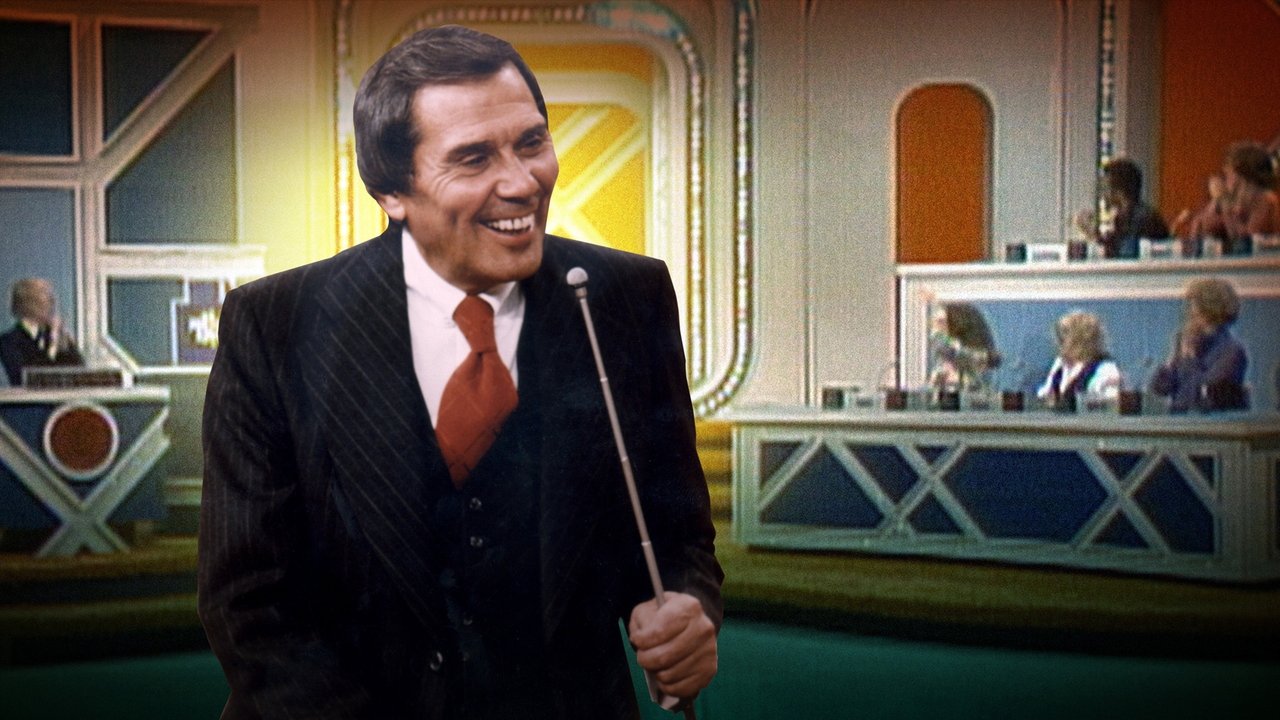
The Ending, Explained
The television landscape of the 1970s welcomed a refreshed take on a classic format when this program arrived as a five-day-a-week broadcast. Known simply by its title, the series served as a Match Game syndicated show that built on the popularity of an earlier CBS version. For anyone seeking the Match Game ending explained, the core idea is straightforward: the conclusion of each installment rewards the player who best paralleled the responses of the famous panel. Unlike scripted dramas, there is no twist to unravel, only the satisfaction of shared wit.
Before we go further, a quick orientation on the Match Game explained in plain terms helps. Two contestants face a board of incomplete sentences. A group of celebrities writes down the missing words. The contestant who picks the same word as the most stars takes the round. That simple loop defines the program, and it repeats with slight variations across the week.
We deliberately avoid describing the earliest moments of an episode, because the opening pleasantries and first blank selections are not where the lasting impression forms. The closure stands on its own as a gentle payoff. The show respects the viewer's time by making the final result easy to grasp even if you joined late.
What Happens
During the broadcast, the host guides the gameplay, and the main cast including Gene Rayburn, Richard Dawson, Brett Somers, and Charles Nelson Reilly contribute to the banter. The exact mechanics stay gentle: fill the blank, compare answers, tally matches. When the final segment arrives, viewers often wonder what happens at the end of Match Game. The answer is that the contestant with the higher tally of matched phrases is declared the winner and receives the episode's prize. The closing moments are celebratory rather than tense.
The presence of the main cast gave each episode a consistent flavor. Gene Rayburn, Richard Dawson, Brett Somers, and Charles Nelson Reilly became associated with the playful tone that defined the closure.
The structure does not rely on eliminations or dramatic exits. Instead, the last minutes simply confirm who aligned most closely with the celebrity guesses. This design keeps the mood lively from start to finish. Because the program aired five days a week, each ending functioned as a small daily diversion rather than a serialized cliffhanger.
Another point about the finale: the celebrities' answers are revealed in turn, building a rhythm of recognition and laughter. The contestant's own choice is then measured against that pool. There is no hidden jury or offscreen calculation. The transparency of the ending is part of its charm.
The Meaning Behind the Ending
Some might expect a deeper message, but the Match Game ending meaning is rooted in communal entertainment. The final act underscores that success comes from thinking like the crowd, not from outsmarting opponents. It is a gentle reminder that television can be a shared joke rather than a battlefield.
The significance of the closing segment also lies in its refusal to elevate stakes. By keeping the conclusion light, the show validates casual participation. A viewer at home could imagine themselves up there, matching silly phrases with stars, and that invitation is the real reward.
If you enjoy this kind of light competition, you might also appreciate Ant & Dec's Saturday Night Takeaway, which carries a similar playful studio energy.
Themes You Might Have Missed
Because the show is tagged as a game show, it is easy to overlook subtler threads. The celebrity panel format highlights the era's fascination with famous personalities. The blanks often invite humorous or silly answers, revealing how humor bridges strangers. Another quiet theme is the democratization of fame: ordinary contestants stand alongside stars as equals for a few minutes.
The weekly rhythm also suggests a theme of routine comfort. A five-day-a-week schedule meant the program became a habitual presence in households. The ending of each chapter reinforced a small sense of order: someone matched, someone won, and tomorrow would bring a fresh board.
Another aspect is the brevity of each match. The fill-in-the-blank style keeps the pace quick, so the ending never feels delayed.
For a historical contrast, consider Queen for a Day, an earlier program that also put regular people on a stage with a theatrical twist.
Our Rating for Match Game
The available score for this title sits at 7.857 out of 10 across 28 votes. That figure suggests a warm reception among the small pool who rated it. While numbers alone never tell the full story, they indicate that the syndicated iteration found a loyal audience.
Compared to the noise of modern competitions, this rating reflects a niche but devoted appreciation. The show does not chase spectacle, and the score mirrors that modest, affable identity.
Fans of panel-driven formats may want to explore What's My Line?, a landmark show that helped pave the way for such interactive broadcasts.
Match Game Summary
To wrap up, the program is a five-day-a-week syndicated successor to the popular CBS game show, where two contestants compete to match fill-in-the-blank phrases with those of the celebrities. The main cast features Gene Rayburn, Richard Dawson, Brett Somers, and Charles Nelson Reilly. Its ending is a friendly confirmation of who matched best, and the overall experience celebrates spontaneous comedy.
We can list the familiar faces for clarity:
- Gene Rayburn
- Richard Dawson
- Brett Somers
- Charles Nelson Reilly
With a rating near 7.9 from 28 votes, it remains a curious artifact for enthusiasts of classic television games. The Match Game explained through its closing moments shows a format that valued laughter over leverage, making it a tidy entry in the game show canon.