Masterplan (2026): A Family Heist for the Mona Lisa
Masterplan (2026) follows a legendary thief who drags his newly discovered children into a high-stakes Mona Lisa heist.
October 17, 2026
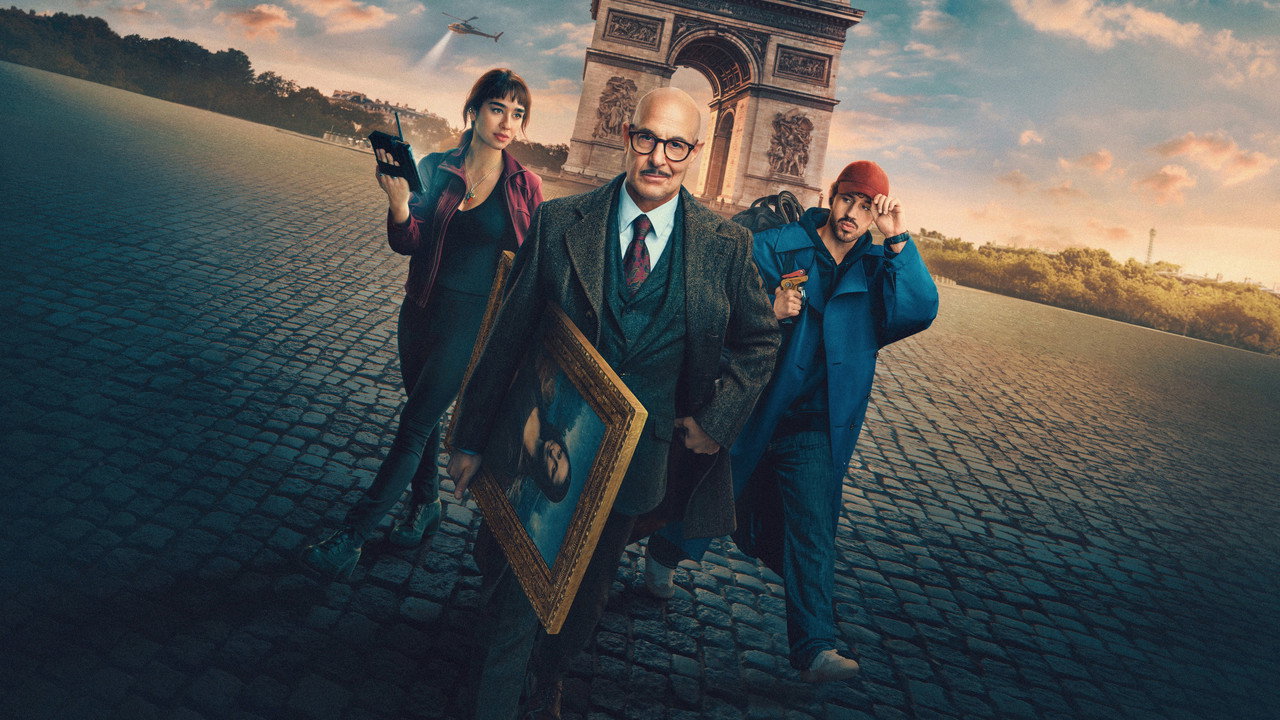
The Ending, Explained
The topic of this piece, Masterplan ending explained, reveals how the final act reframes the entire adventure. Directed by Thomas Vincent, this 109 minute action thriller does not simply close with a stolen painting. Instead, the last sequences lean into the awkward bond between a notorious thief and the two young people pulled into his plan. Without spoiling the early setup, we can say the finale pays off the tension built between the generation gap and criminal ambition. The film's modest rating of 6.7 out of 10 from six voters reflects its niche appeal rather than broad spectacle.
The story belongs to a lineage of caper films, yet it carves its own space by prioritizing emotion. Many viewers who enjoy a good caper will appreciate references to older films. For example, fans of muscle car chaos might revisit Fast X, though the tone here is far more intimate and grounded in personal stakes.
The film, Masterplan explained, becomes a study of trust rather than pure theft. The narrative refuses to treat the robbery as the only goal. Instead, the closing moments ask whether a broken family can function under extreme pressure. That question lingers after the credits roll.
What Happens
We know what happens at the end of Masterplan from the closing scenes, and we will share it without revealing the first act's surprises. The climax centers on the attempt to take the Mona Lisa, an art heist that has been teased throughout. By this point, the pair and the thief must coordinate under pressure. The film avoids a clean victory; instead, the chaotic reunion produces moments where they almost sabotage the plan out of personal resentment.
The cast, including Stanley Tucci and Simona Tabasco, play these fraught interactions with restraint. Victor Belmondo and Eliott Margueron round out the young pair, bringing nervous energy to the proceedings. Bruno Bilotta, Barbara Lo Gaglio, Etienne Guillou-Kervern, and Srbo Markovic fill out the supporting world. The runtime allows the final sequences to breathe, showing that the job is secondary to the messy human dynamic that the director wants us to feel.
As the countdown to the theft tightens, small choices reveal character. A glance, a withheld comment, or a sudden assist tells us more than any explosion could. This is where the movie separates itself from louder genre entries.
The Meaning Behind the Ending
The conclusion, Masterplan ending meaning, suggests hope wrapped in uncertainty. A parent child reunion born from crime can still forge genuine connection. Rather than a tidy moral, the story leaves the family altered but intact. The long lost sibling thread resolves not by erasing past separation but by acknowledging it in the middle of danger.
For those who like familial drama mixed with crime, Strange Relations offers a different angle on unexpected kinship, though without the museum setting. Both works understand that blood ties can surface in unlikely places.
The Masterplan family heist sequence we enjoyed for its emotional weight more than its logistics. It is the culmination of themes like art heist and reconciliation. The stealing of a famous portrait becomes a backdrop for a private negotiation between relatives who barely know each other.
What stands out is the lack of a simplistic triumph. The characters succeed or fail together, and that interdependence is the real prize. The ending meaning therefore points to acceptance rather than riches.
Themes You Might Have Missed
Beneath the surface, the movie quietly explores how inherited traits surface under stress. The legendary thief's skills appear in his offspring, hinting that biology influences the heist style. Another subtle idea is the contrast between public masterpiece and private dysfunction. The Mona Lisa represents perfection, while the family represents fracture.
Viewers who like procedural crime may also want to watch The Mechanic, a colder look at professional jobs that lacks the reunion element. Comparing the two highlights how Masterplan uses genre trappings to talk about belonging.
Notably, the tagline is absent, so the film lets actions speak. Themes of long lost sibling recognition and parent child reunion are not shouted but shown through small gestures in the finale. The art heist motif also mirrors the attempt to claim something beautiful amid personal chaos.
Another layer is the concept of legacy. A father's criminal expertise becomes the unwitting gift to his children. That transfer happens without sentimentality, making the audience question whether skill is a blessing or a burden.
What We Think of Masterplan
Overall, the picture is a modest genre blend. With Thomas Vincent at the helm, the 109 minute runtime feels balanced. The rating of 6.7 out of 10 across six votes indicates early reception is tentative. We find the strongest asset is the cast chemistry, especially Stanley Tucci as the central figure. The action serves the character study.
While not flawless, the movie rewards patience. The final act's emphasis on cooperation over conquest makes it stand apart from typical thrillers. It is a family story wearing a heist mask. The decision to keep the scale contained helps the emotional beats land.
We would recommend it to viewers who prefer character-driven suspense. The absence of a heavy marketing tagline matches the film's quiet confidence. It does not need to shout to be memorable.
Masterplan Need to Know
Before you press play, here are the essentials:
- Title: Masterplan (2026)
- Genres: Action, Thriller
- Director: Thomas Vincent
- Runtime: 109 min
- Rating: 6.7/10 (6 votes)
- Main cast: Stanley Tucci, Simona Tabasco, Victor Belmondo, Eliott Margueron, Bruno Bilotta, Barbara Lo Gaglio, Etienne Guillou-Kervern, Srbo Markovic
The plot hinges on an art heist and a sudden parent child reunion. If you appreciate stories where long lost sibling discovery drives the stakes, this fits. The Mona Lisa target gives a classic flourish to the finale we mentioned earlier. Keep in mind the film is more about the people than the painting.
For a fuller picture, note that the themes of art heist and parent child reunion weave together tightly. The result is a concise thriller that respects its audience's intelligence.