M*A*S*H (1972): How Practical Jokes Made War Bearable
M*A*S*H (1972) ends with the 4077th leaving Korea, and our guide explains the finale, its themes, and if it's worth watching.
October 27, 2026
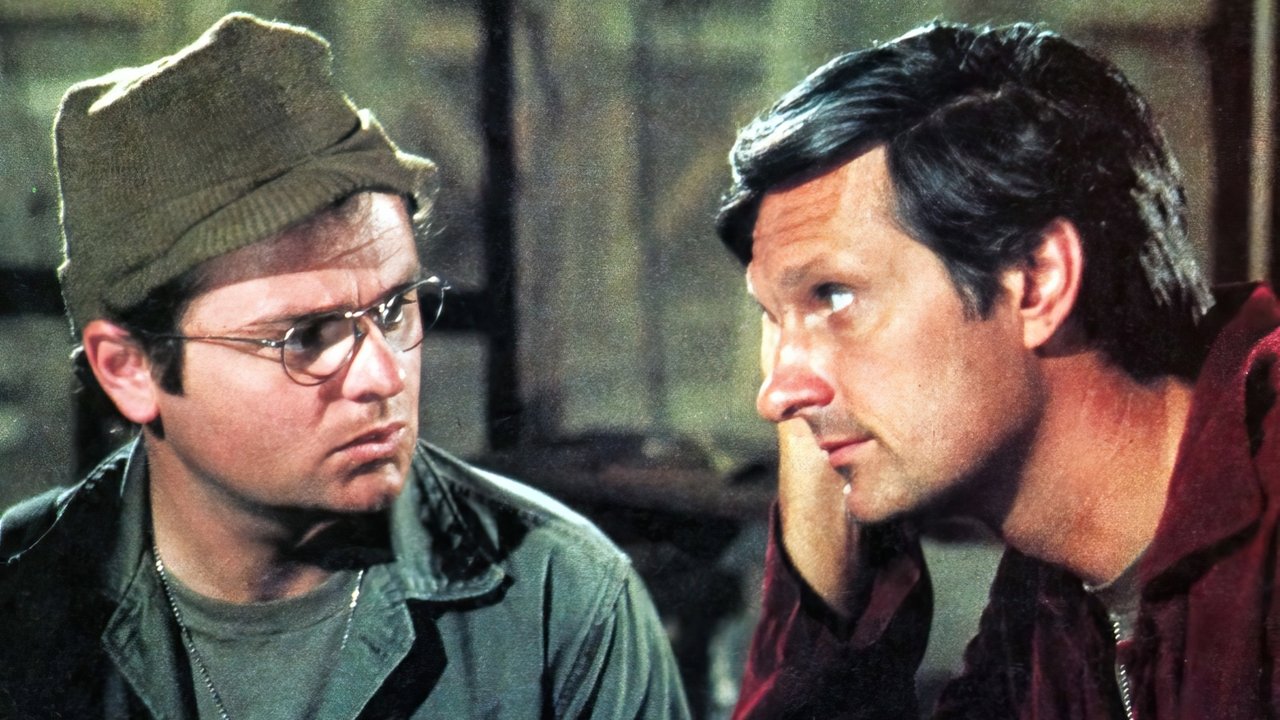
The Ending, Explained
The article you are reading is M*A*S*H ending explained for streaming audiences who just finished the last episode. The series closes with the tagline Goodbye, Farewell, and Amen, signaling the departure of the 4077th Mobile Army Surgical Hospital from its posting. While we will not recount the opening assignments of the doctors and nurses, it is clear that the final act concentrates on separation rather than setup. The camaraderie built among the surgeons, administrators, and soldiers becomes the emotional core as the Korean War (1950-53) winds toward its ceasefire. Alan Alda, Mike Farrell, Harry Morgan, Loretta Swit, David Ogden Stiers, Jamie Farr, and William Christopher each represent facets of the army camp that must be left behind.
A good place to start is M*A*S*H explained by looking at the 4077th's daily life across the run. The show blends war & politics with comedy and drama, earning a 7.9/10 rating from 781 votes on the platform. Its foundation as a medical drama inside a field hospital allowed the writers to balance mortal stakes with practical jokes. The final episodes lean into that contrast, using humor to soften the ache of goodbye.
What Happens
We explore M*A*S*H ending meaning through the bittersweet farewell of the camp. The concluding chapter, hinted by the tagline Goodbye, Farewell, and Amen, turns toward separation. The doctors and nurses who made their own fun through pranks and revenge must now face a future apart. Viewers who want a recap can find M*A*S*H what happens at end in the paragraphs below: the personnel pack up, share last words, and the camera lingers on empty tents. No new conflict erupts; the tension is internal, rooted in attachment to a makeshift family.
Even after decades, fans love to recall M*A*S*H funny scenes from the practical jokes that pepper the finale. A mock ceremony or a borrowed uniform gag echoes the earlier habit of the 4077th to cope with the US Army's pressures. These moments are not mere filler; they underscore how the characters retained humanity inside a military hospital. The cast's timing, especially the later additions like David Ogden Stiers as a cultured surgeon, gives the comedy a drier edge that fits the somber occasion.
If you enjoy military hospital stories, you might also like Combat!, a classic war series that portrays front-line bonds under fire.
The Meaning Behind the Ending
The closure of the field hospital speaks to the broader theme of an American abroad trying to preserve decency amid chaos. The M*A*S*H ending meaning rests on the idea that the war itself is absurd, but the connections formed are real. By not spoiling the first act, we can appreciate that the final act validates the entire premise: a surgeon or doctor drafted into the Korean War could still find moments of levity. The tagline Goodbye, Farewell, and Amen functions as a blessing for those who survived the grind of the army camp.
The series, based on a novel or book, always carried a literary sense of ensemble. The finale honors that source by letting each character's arc breathe. Harry Morgan's steadying presence and Loretta Swit's resilience mirror the institutional memory of the unit. When the flags come down, the message is that leaving is its own kind of healing.
Themes You Might Have Missed
Beyond the sitcom label, the show operates as a medical drama with a political undercurrent. Themes of military bureaucracy, the role of the doctor in combat, and the strange normalcy of a field hospital accumulate quiet weight. The later seasons, with David Ogden Stiers and William Christopher enriching the cast, sharpen the contrast between high medicine and low comedy. This balance is why the rating holds strong at 7.9/10.
Another subtle thread is the idea of revenge as bonding. The practical jokes are not just laughs; they are a language of trust among the 4077th. Fans of character-driven comedy may enjoy Doogie Kamealoha, M.D., which also mixes youthful medical settings with warm humor.
Is M*A*S*H Worth Your Time?
For viewers browsing a free streaming blog, the question is simple: does the blend of war & politics, drama, and comedy reward the hours? The answer leans yes, particularly if you value character ensembles that evolve. The finale delivers emotional payoff without requiring recount of early setups. The show's ability to make wartime life bearable through wit remains relevant. If you prefer lighter physician tales, Hart of Dixie offers a small-town alternative, but M*A*S*H grounds its humor in historical strain.
The 781 votes reflect a steady audience that returns for the mix of surgical tension and army camp pranks. With a tagline like Goodbye, Farewell, and Amen, the series invites you to sit with both laughter and loss.
M*A*S*H in Short
To summarize, the 4077th Mobile Army Surgical Hospital stands as a singular sitcom with a medical drama heart. Set during the Korean War (1950-53), it follows US Army doctors, nurses, and soldiers stationed far from home. The finale, hinted by the tagline, closes the loop on their shared coping mechanisms. Whether you come for M*A*S*H funny scenes or stay for the poignant farewell, the show earns its place on your watchlist. The ensemble led by Alan Alda and supported by Mike Farrell, Harry Morgan, Loretta Swit, David Ogden Stiers, Jamie Farr, and William Christopher creates a template for serial storytelling about survival through humor.
We have offered M*A*S*H ending explained, M*A*S*H explained, and the rest of the breakdown above. The service on our site lets you stream this piece of war & politics history without cost, perfect for a weekend binge of the 4077th's final chorus.