Marshals (2026)
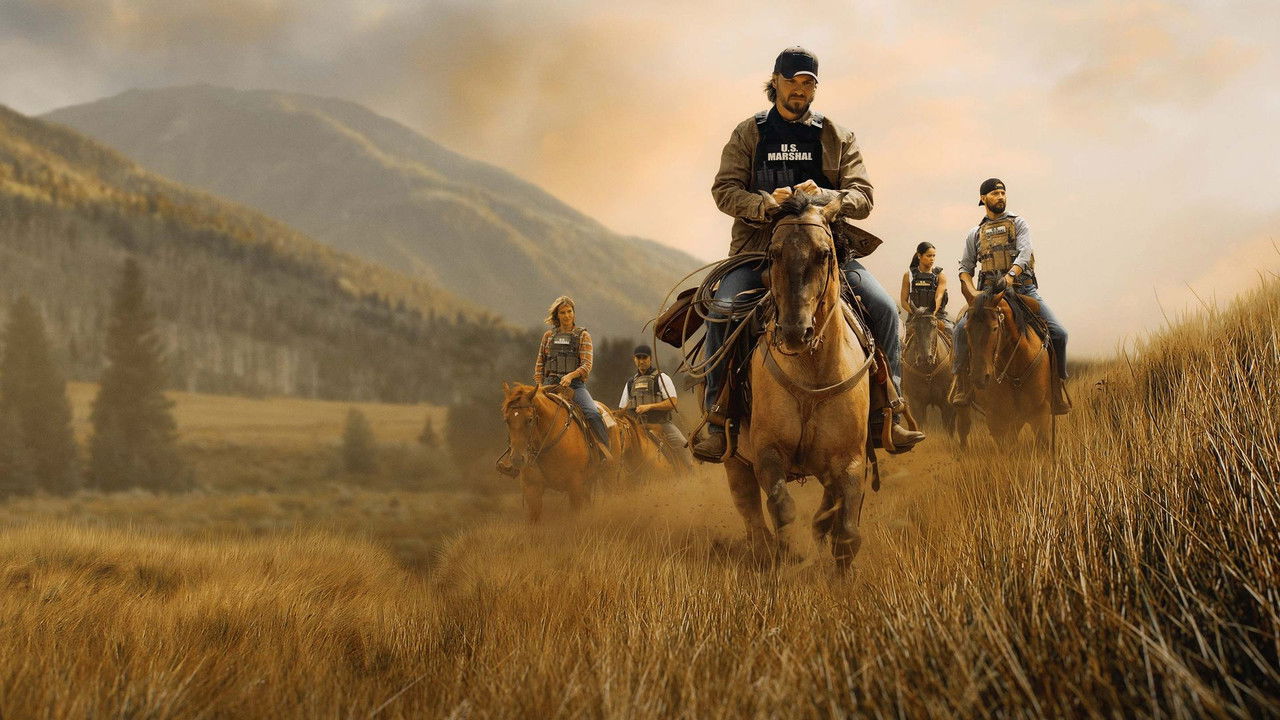
With the Yellowstone Ranch behind him, Kayce Dutton joins an elite unit of U.S. Marshals, combining his skills as a cowboy and Navy SEAL to bring range justice to Montana, where he and his teammates must balance family, duty and the high psychological cost that comes with serving as the last line of defense in the region's war on violence.
October 24, 2026
The Ending, Explained
When viewers ask for a Marshals ending explained breakdown, they usually want clarity on the final act without having the early episodes ruined. This spin off from the Yellowstone universe picks up with Kayce Dutton putting the ranch behind him and stepping into the role of a federal lawman. The conclusion of the season does not rely on twist revelations from the first hour. Instead, it pays off the internal struggle that has been building as he reconciles his background as a cowboy and a Navy SEAL with the structured world of an elite unit of U.S. Marshals. The finale shows him and his teammates facing the heavy toll of being the last line of defense against violence in Montana. By concentrating on the psychological cost rather than external surprises, the writing delivers a closing chapter that feels earned.
The rating of 7.954 out of 10 from over four hundred votes indicates that the audience connected with this tone. Luke Grimes carries the lead with a quiet intensity, supported by a cast that includes Logan Marshall-Green and Arielle Kebbel. While the show is a police procedural at heart, it never forgets its western roots. The open plains and tight community bonds remain as important as the badge.
What Happens
To discuss what happens at the end of Marshals without spoiling the setup, we can focus on the resolution of the unit's mission. Kayce and his fellow deputies reach a point where duty and family can no longer be kept in separate boxes. The final episodes present a reckoning with the emotional weight of their work. There is no sudden reboot of the characters; rather, we see them accept the high psychological cost that comes with serving remote communities. The last scenes emphasize balance, showing the team attempting to protect Montana while preserving their own humanity.
This is a drama that trusts its audience to read between the lines. The action and adventure elements are present, but they serve the character study. For those who enjoyed the original series, the transition feels like a natural extension of the Dutton legacy, even as the tagline promises a new era of Yellowstone.
The Meaning Behind the Ending
The Marshals ending meaning becomes clear when we consider the show's central tension. A cowboy trained for special operations now wears the insignia of a U.S. marshal, yet the landscape of Montana demands the same rugged self-reliance. The final act suggests that justice on the range is not about victory laps but about endurance. Kayce's journey illustrates that the last line of defense is as much about holding oneself together as it is about stopping threats. That thematic closure gives the season a somber but hopeful signature.
In many ways, the finale is a meditation on service. The teammates learn that family cannot be sacrificed entirely, even when the job calls at all hours. The psychological price is named openly, making the ending feel honest rather than decorative.
Themes You Might Have Missed
A full Marshals explained reading reveals subtle threads about place and identity. The montana setting is not just backdrop; it functions as a character that shapes every decision. As a spin off, the series quietly comments on what it means to carry a legacy forward without being trapped by it. The police procedural framework allows for case-of-the-week structure, but the deeper current is the cost of violence on the human spirit.
Another overlooked motif is the blend of old and new. The cowboy archetype meets modern federal authority, creating friction that the writers use to explore American myths. The presence of actors like Gil Birmingham and Mo Brings Plenty adds texture to the regional authenticity. Even the younger cast members, including Brecken Merrill, reflect the generational echo of the ranch world.
How Good Is Marshals, Really?
The Marshals trailer set expectations for a rugged, character-driven entry in the franchise, and the finished product largely delivers on that promise. With a score near eight out of ten, the reception leans positive. Fans of rural crime stories may also want to revisit Longmire (2012), which similarly balances small-town sheriff work with personal demons. If you prefer tense modern manhunts, The Day of the Jackal (2024) offers a polished take on procedural tension. For those who like survivalist drama, Jericho (2006) remains a cult favorite with a different but complementary mood.
Critics of the show sometimes point to uneven pacing, yet the strength of the ensemble keeps the momentum. The combination of drama, crime, and action adventure gives it a broad appeal. At its core, the series respects the intelligence of viewers who want more than shootouts; it wants to examine the silence after the gunfire.
Marshals Fast Facts
Here is a quick reference for newcomers:
- Title: Marshals (2026)
- Genres: Drama, Crime, Action & Adventure
- Rating: 7.954/10 based on 406 votes
- Tagline: A new era of Yellowstone
- Lead: Luke Grimes as Kayce Dutton
- Supporting cast: Logan Marshall-Green, Arielle Kebbel, Ash Santos, Tatanka Means, Brecken Merrill, Mo Brings Plenty, Gil Birmingham
- Premise: A cowboy and former Navy SEAL joins an elite U.S. Marshals unit in Montana.
The show stands as a confident expansion of a beloved television world, proving that a spin off can forge its own identity while honoring its roots.